Quick Answer:
The annual running costs for a Beneteau yacht generally range between €15,000 and €60,000, encompassing the following principal categories:
Berthing and mooring fees
Yacht insurance
Regular maintenance and repairs
Fuel and energy consumption
Taxes and registration fees
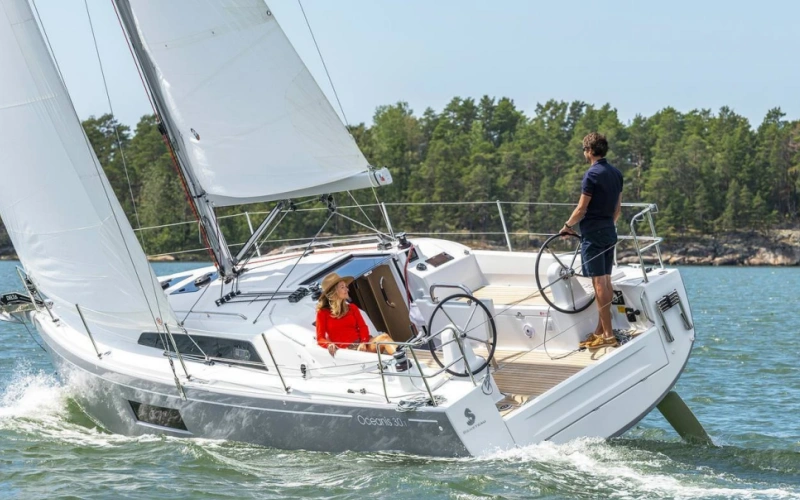
The Beneteau yacht brand offers a comprehensive range from 30-foot entry-level sailing yachts to 50-foot motor yachts. Annual ownership costs primarily comprise: marina and mooring fees, insurance, maintenance and upkeep, fuel consumption, and taxes. Sailing yachts are relatively energy-efficient, though rigging and hull maintenance still require investment; motor yachts consume more fuel but deliver a more comfortable, high-speed cruising experience. In my experience, the annual cost of a 40-foot motor yacht can be double that of a similarly sized sailing yacht, particularly noticeable when moored in popular Mediterranean ports.
1. Key Cost Categories for Beneteau Yachts
● Mooring and Berthing Fees
Berthing fees constitute the largest annual budget item. In popular Mediterranean ports, costs range from approximately €2,500–€5,000 per metre annually; on North America's east coast, this equates to roughly $1,500–$3,500 per metre per year. Private marinas and sheltered harbours offer slightly lower rates but with limited security and facilities. I advise owners to secure long-term contracts or off-season leases to reduce annual expenditure.
● Yacht Insurance
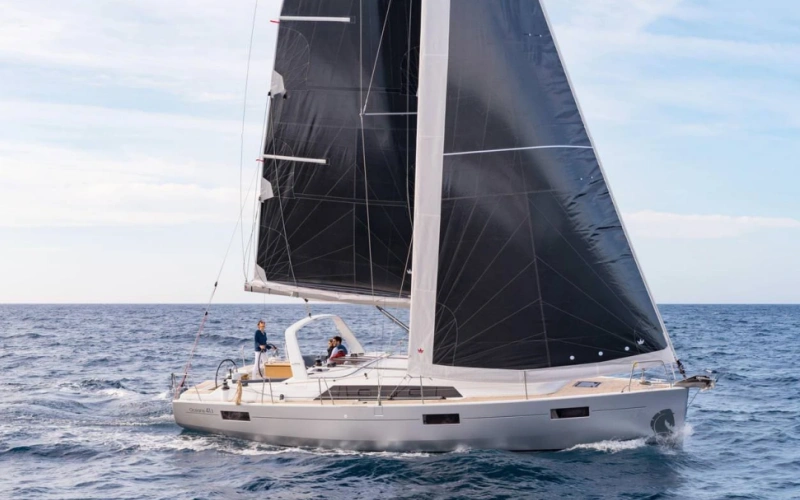
Insurance costs for Beneteau yachts vary significantly depending on model, cruising area, age, and usage frequency. Sailing yachts of 30–40 feet incur annual premiums of approximately €2,000–€5,000, while motor yachts of 40–50 feet range from €6,000–€15,000 per annum. Selecting an internationally recognised insurer ensures comprehensive coverage of cruising areas and third-party liability.
When assisting clients with powerboat purchases, insurance costs often represent an unexpectedly substantial initial expense.
● Maintenance and Servicing
Yacht maintenance expenses encompass routine servicing, emergency repairs, and winter storage. Regular maintenance—including engine inspections, rigging upkeep, hull cleaning, and anti-fouling treatments—constitutes unavoidable expenditure; emergency repairs may involve equipment damage or hull collisions; while winter storage necessitates dry dock protection and battery maintenance. The following table provides annual maintenance budget references for different Beneteau models:
| Item | 30–40ft Sailing Yachts (€) | 40–50ft Motor Yachts (€) |
| Routine Maintenance | 3,000–5,000 | 5,000–10,000 |
| Emergency Repairs | 1,000–3,000 | 3,000–7,000 |
| Winter Storage | 1,000–2,500 | 2,000–4,000 |
| Total | 5,000–10,500 | 10,000–21,000 |
In my experience, without budgeting for these expenses in advance, owners often find themselves forced to overspend during the sailing season.
● Fuel and Energy Consumption
Beneteau sailing yachts rely primarily on wind power, resulting in extremely low fuel consumption. Cruising several hundred nautical miles annually may require only a few hundred euros worth of fuel. Motor yachts differ significantly, with fuel budgets closely tied to hull type and cruising speed. For instance, a 40-foot motor yacht cruising at 10 knots consumes approximately 30–40 litres of diesel per hour, while a 50-foot motor yacht cruising at 12 knots uses roughly 50–60 litres per hour. I advise clients to allocate a fuel budget of €3,000–€8,000 based on annual usage frequency.
● Taxes and Registration Fees
Taxes and registration fees vary significantly by country or region, encompassing VAT, import duties, annual registration fees, and environmental surcharges. Hidden taxes may constitute 5–10% of the annual budget; failure to account for these upfront can lead to budget overruns.
2. Annual Cost Comparison for Different Beneteau Models
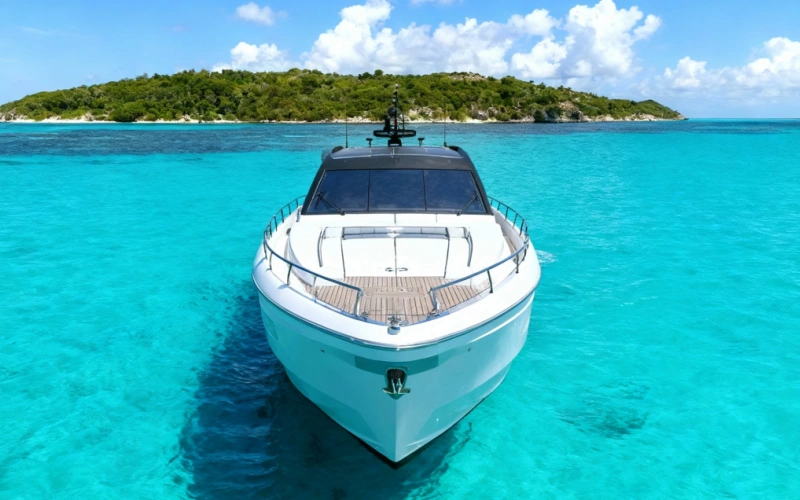
The table below outlines annual ownership costs and the proportion of hidden expenses for various Beneteau models, aiding prospective owners in budget planning:
| Model | Length | Annual Ownership Cost (€) | Hidden Expenses Proportion |
| Oceanis 30.1 | 30-foot sailing yacht | 15,000–25,000 | 20% |
| Oceanis 41 | 41-foot sailing yacht | 20,000–35,000 | 25% |
| Swift Trawler 44 | 44-foot motor yacht | 35,000–50,000 | 30% |
| Gran Turismo 50 | 50-foot motor yacht | 45,000–60,000 | 30–35% |
As the table demonstrates, sailing yachts suit light cruising and energy-efficient use, whilst motor yachts cater to high-frequency operation and high-speed recreation, though with significantly higher annual costs.
3. How to optimise the cost of owning a Beneteau yacht?
To balance yachting enjoyment with cost control, I typically advise clients as follows:
Select appropriate mooring and insurance arrangements: Premium marinas aren't always the most economical choice, and insurance coverage must adequately account for sailing area risks.
Routine maintenance vs. preventive maintenance: While preventive maintenance requires higher upfront investment, it substantially reduces unexpected repair costs.
Fuel-efficient sailing strategies: Utilising sail assistance, controlling cruising speed, and planning optimal routes minimises fuel consumption and mechanical wear.
4. Conclusion
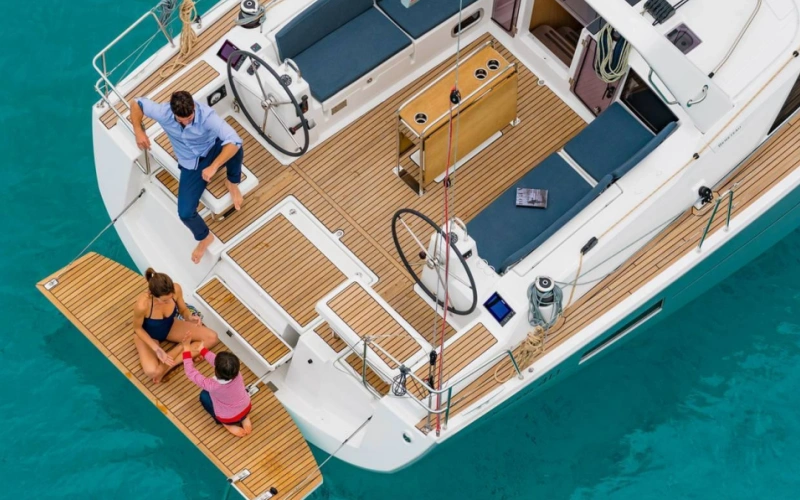
Owning a Beneteau yacht extends beyond the initial purchase price, encompassing annual running costs and hidden expenses. Through prudent budgeting, scientific maintenance, and energy-efficient cruising strategies, owners can manage expenses while enjoying comfortable, safe sailing experiences.
As an owner and yacht broker with over a decade of sailing experience, I advise prospective buyers to comprehensively evaluate annual costs before purchasing to ensure a rational and sustainable investment decision.
About the Author
Emery, yacht broker, yacht transaction consultant, and contributing writer for Yachting Magazine, possesses over a decade of yachting industry expertise. As a SAMS-certified surveyor, he has been recognised as one of ‘Asia's Top Ten Yachting Industry Experts’ and honoured with multiple industry accolades including the ‘Outstanding Service Award for Yacht Brokers’.
Disclaimer
This content is provided for informational purposes only and does not constitute legal, financial, or investment advice. The annual holding costs, insurance premiums, fuel consumption, and port fees for Beneteau yachts mentioned herein represent general reference ranges. Actual expenditures may vary depending on vessel type, cruising area, usage frequency, maintenance condition, and local regulations. Prior to purchasing or owning a yacht, owners are advised to consult professional yacht brokers, insurance providers, and tax advisors for accurate, personalised data and compliance guidance. The author and this platform shall not be liable for any direct or indirect losses arising from reliance on the information herein.
FAQ
Q1: Which is more economical: Beneteau sailing yachts or motor yachts?
A: Beneteau sailing yachts offer low fuel consumption and straightforward maintenance. Motor yachts, while faster and more comfortable, incur higher costs.
Q2: What proportion of total costs do hidden yacht expenses represent?
A: Taking Beneteau yachts as an example, approximately 20–35% covers unexpected repairs, equipment upgrades, and unforeseen expenses.
Q3: How is fuel budget calculated for Beneteau yachts?
A: For motor yachts, calculate based on engine power, cruising speed, and operating hours: fuel consumption per hour × operating hours × diesel price.