Quick Answer:
When comparing purchase costs, fuel consumption, maintenance, and insurance, Galeon is better suited for owners prioritising value for money and practicality, while Azimut appeals to those seeking a luxurious experience and ocean-going adventures.
Both Galeon and Azimut are premium European yacht brands, though with distinct positioning. Galeon emphasises innovative design and cabin space utilisation, making it suitable for family leisure and short cruises; Azimut prioritises luxury and ocean-going performance, catering to extended voyages and high-end social engagements. Annual running costs, influenced by model, usage frequency and mooring location, typically range between €20,000 and €70,000.
Introduction to Galeon and Azimut Yacht Brands
Galeon Yacht Brand
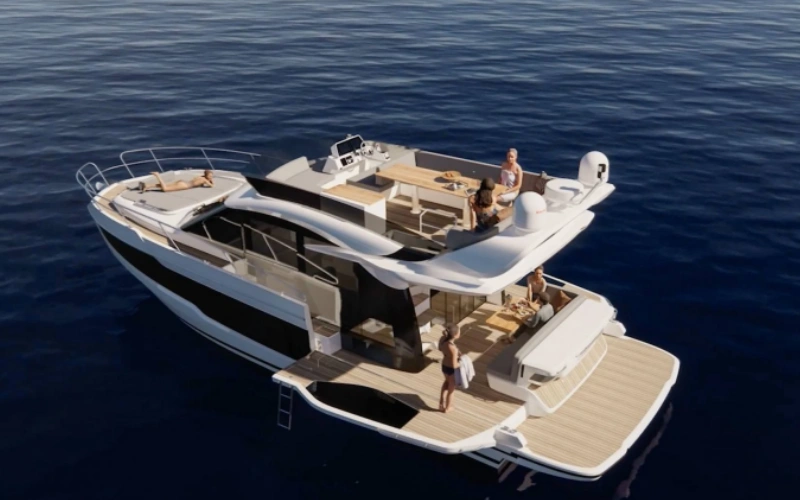
Established in 1982 and headquartered in Poland, Galeon is a rapidly emerging European yacht brand renowned for innovation. Its core philosophy centres on ‘maximising space and practical design,’ emphasising flexible cabin layouts and ample deck space while integrating modern technology and comfort.
Its product range encompasses family entertainment, sport cruising, and ocean exploration yachts, spanning lengths from 30 feet to over 50 feet. Galeon's Flybridge and Hardtop series excel particularly for family use and short-range cruising.
I have personally conducted client trials aboard the Galeon 430 Fly and 500 Fly, experiencing their advantages in cabin layout, social spaces, and vessel stability. Family owners particularly favour their spacious saloons and versatile decks.
Azimut Yachts Brand
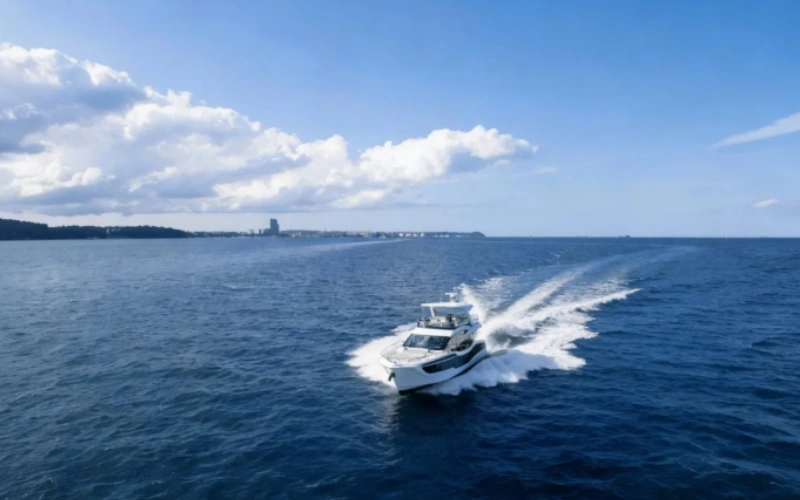
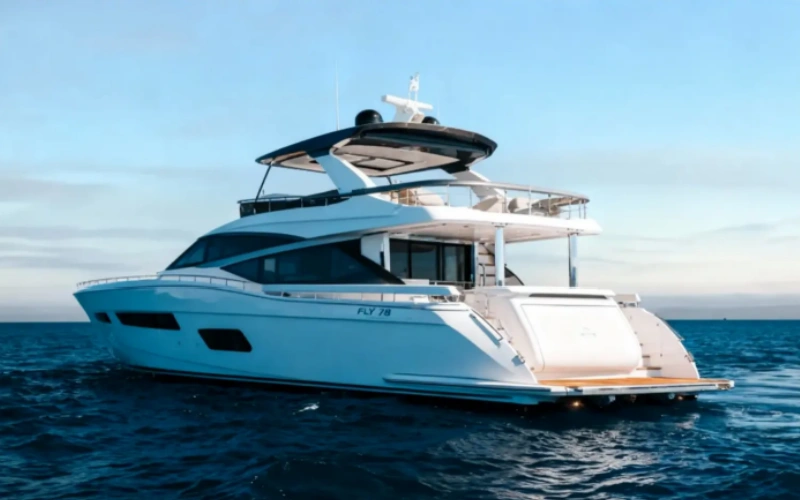
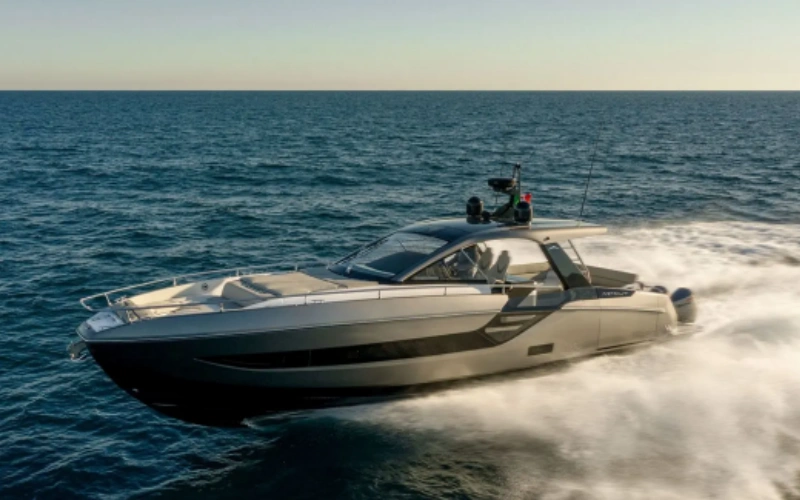
Azimut, an Italian premier yacht brand established in 1969, embodies the ethos of ‘luxury, ocean-going, Italian design’. Its portfolio spans the Flybridge range, Atlantis sport series, Magellano ocean-going line, and Grande custom series, with vessels ranging from 40 to over 120 feet in length.
Azimut emphasises Italian craftsmanship and premium interiors, catering to ocean cruising and high-end social occasions. Its Magellano ocean-going series boasts exceptional range, ideal for transoceanic voyages and extended expeditions.
I have participated in delivery negotiations for the Azimut 66 Fly and Magellano 53. Azimut's interiors are exquisitely crafted with high customisation potential, perfectly suited for owners seeking luxury and long-range endurance.
Galeon vs Azimut Purchase Cost Comparison
Galeon and Azimut yachts exhibit significant cost differences influenced by hull type, length, interior luxury levels, and customisation options.
| Brand | Length | Price Range | Primary Use |
| Galeon | 30–40ft | €250,000–€600,000 | Family leisure, short-range cruising |
| Galeon | 50+ feet | €700,000–€2,000,000 | Premium entertainment, short-range ocean exploration |
| Azimut | 40 feet | €500,000 | Luxury short-range cruising |
| Azimut | 80–120 feet | €3,000,000–€50,000,000 | Ocean-going exploration, bespoke luxury |
Factors influencing purchase cost
Length and hull size: Larger yachts command significantly higher prices than entry-level models.
Interior and luxury level: Azimut's bespoke interiors may increase acquisition costs by 10–20%.
Power and Technology: High-speed vessels and ocean-going yachts require more powerful engines and advanced navigation systems.
Expert Tip: Clients often underestimate the cost of customisation options when selecting Azimut, whereas Galeon offers better value for money with its standard specifications, making it more suitable for family owners prioritising practicality and comfort.
Galeon and Azimut Annual Ownership and Maintenance Costs
Yacht ownership costs encompass berthing fees, insurance, fuel, scheduled maintenance, and unexpected repairs. Significant annual expenditure variations arise from vessel type and usage frequency.
| Brand | Length | Annual Ownership Cost | Primary Cost Components |
| Galeon | 35–45ft | €20,000–€45,000 | Berthing 35%, Fuel 25%, Insurance 20%, Maintenance 20% |
| Azimut | 40–50 feet | €30,000–€70,000 | Mooring fees 30%, Fuel 20%, Insurance 25%, Maintenance 25% |
Fuel Consumption and Cruising Speed
The Galeon 430 Fly achieves its most economical fuel consumption at 25 knots cruising speed, consuming approximately 60–70 litres of diesel per hour.
Azimut sport yachts exhibit significantly higher fuel consumption during high-speed cruising (28–30 knots), exceeding 100 litres per hour.
Insurance and Maintenance
Insurance for 30–50-foot yachts averages €3,000–€15,000 annually, contingent upon vessel age, port location, and coverage scope.
Regular maintenance includes engine servicing, propulsion system checks, hull cleaning, anti-fouling treatment, and electronic equipment inspections.
Pro tip: Implementing a scheduled maintenance programme and winter protection significantly reduces long-term repair costs while extending the yacht's lifespan.
Long-Term Holding vs Investment Value Comparison
Second-Hand Market & Resale Value
Galeon retains approximately 60–70% of its value over five years, with spatial design and innovative layouts enhancing its appeal.
Azimut retains approximately 65–75% of its value (5 years), with customisation and luxurious interiors ensuring stable second-hand demand.
Owner Experience and Usage Scenarios
Galeon: Family entertainment, short cruises, flexible space
Azimut: Ocean cruising, luxury socialising, brand experience
Ownership Strategy
Regular maintenance and winter protection
Safety inspections and insurance coverage
Port selection: Azimut large yachts suit long-term berthing in well-equipped marinas; Galeon yachts suit flexible sailing
For owners of ocean-going Azimut yachts, I recommend long-term mooring in marinas with comprehensive facilities and crew provisioning. Galeon yacht owners may self-manage, offering greater flexibility.
Conclusion
Choosing between Galeon and Azimut hinges on defining your cruising purpose and lifestyle. For family entertainment, short cruises, and social gatherings, Galeon's flexible cabin layout, spacious decks, and value proposition make it ideal for daily outings. Its user-friendly operation and relatively low maintenance costs also suit self-management.
For those seeking ocean-going voyages, international cruising, or the pinnacle of luxury, Azimut delivers extended range, premium interiors, and bespoke customisation—ideal for owners who berth in high-end marinas long-term and employ crews. Additionally, budget, long-term ownership costs, fuel consumption, and insurance premiums are critical considerations.
The final decision should integrate sailing habits, usage frequency, interior preferences, and brand value. Galeon suits those prioritising space and practicality, while Azimut better accommodates owners seeking ocean-going performance and luxury experiences.
About the Author
Emery, yacht broker, yacht transaction consultant, and contributing writer for Yachting Magazine, possesses over a decade of yachting industry experience. As a SAMS-certified surveyor, he has been recognised as one of ‘Asia's Top Ten Yachting Industry Experts’ and honoured with multiple industry accolades including the ‘Outstanding Service Award for Yacht Brokers’.
Disclaimer
This content is for reference only and does not constitute yacht purchase, investment, or legal advice. The author provides information based on years of yacht transaction experience; however, prices, holding costs, fuel consumption, and insurance premiums may vary depending on model, configuration, usage frequency, and port location. Prospective buyers should independently verify information and consult professional brokers or legal advisors. This article accepts no liability for any losses arising from reliance on its content.
FAQ
Q1: Which brand is more cost-effective to own: Galeon or Azimut?
A: Galeon yachts are more economical, whereas Azimut yachts lean towards high-end luxury with higher maintenance costs.
Q2: Do larger Azimut yachts have higher maintenance costs than Galeon?
A: Yes, larger Azimut yachts incur significantly higher maintenance costs than comparable Galeon yachts.
Q3: What factors most influence the resale value of Galeon vs Azimut yachts?
A: Vessel age, maintenance condition, customisation options, brand reputation, and market demand.