



Where to buy a boat at the best value depends on your budget and experience. Generally speaking, online platforms offer a wider selection and more transparent pricing, making them ideal for comparing quotes across different regions; local dealers are better suited for beginners, as they allow for test drives and provide after-sales support; and if you’re looking for a high-value used boat, you can often secure additional discounts during boat shows and yacht exhibitions. For most buyers, choosing a used boat with a complete maintenance history and a brand that retains its value is often a better deal than simply chasing the lowest price.
Boat vs Yacht: What This Guide Covers
In this guide, "boat" refers broadly to recreational vessels, including small motorboats, fishing boats, sailboats and yachts. However, because YachtTrading focuses mainly on higher-value boats and yachts, the recommendations are especially relevant for buyers comparing used yachts, flybridge yachts, motor yachts and international listings.
Where Is the Best Place to Buy a Boat?
With the growth of the global yacht market and online trading platforms, the channels for buying a boat are no longer limited to local dealers. Today, buyers can not only compare prices across regions via online platforms but also find better value-for-money options at yacht shows, local marinas, and international brokerage firms. Consequently, "where to buy a boat most cost-effectively" has become one of the top concerns for many first-time buyers.
In reality, the most cost-effective way to buy a boat isn't simply about finding the "lowest price," but rather choosing the channel that best fits your budget, intended use, and long-term ownership costs. While some platforms may offer lower prices, they often lack after-sales support and vessel inspection guarantees; conversely, some dealers may quote higher prices but provide warranties, financing, and ongoing maintenance support. In the long run, what truly impacts the boat-buying experience is often the vessel’s condition, service quality, and ongoing costs—not just the purchase price.
As a consultant with extensive experience in the yacht industry, I typically advise clients to first clarify their budget and usage requirements before deciding whether to purchase through an online platform, a local dealer, or at a boat show.
Online Yacht Trading Platforms
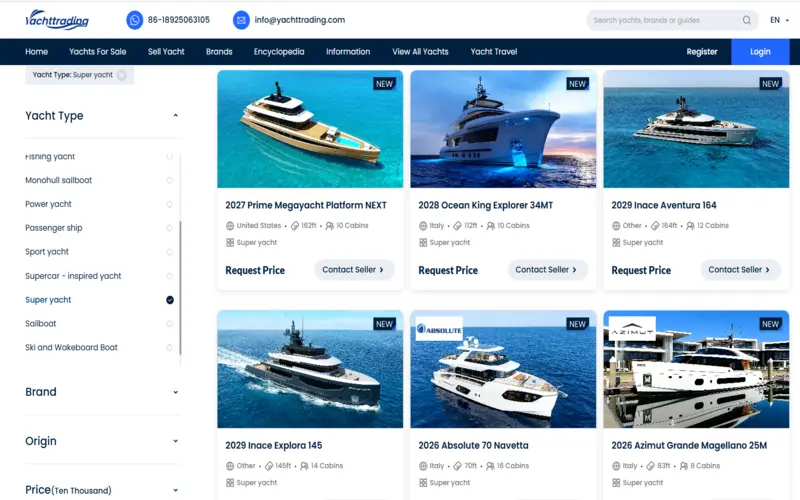
Online platforms have become one of the most popular ways to buy a yacht, particularly for users who want to quickly compare prices, brands, and models.
Among these, YachtTrading is particularly well-suited for those seeking mid- to high-end pre-owned yachts and international listings, allowing users to directly view a vessel’s age, engine hours, maintenance records, and broker information. Compared to traditional in-person boat purchases, the biggest advantages of online platforms are price transparency, a wider selection across regions, and the convenience of comparing quotes from different sellers.
Local Boat Dealers and Marinas
Local boat dealers and marinas remain a relatively safe choice for many first-time boat buyers. Unlike online platforms, where one can only assess a boat’s condition through photos and specifications, dealers typically offer on-site inspections, test drives, and comprehensive after-sales support—all of which help mitigate risks for inexperienced buyers. This is particularly true when purchasing new or nearly new boats, or medium-to-large motorboats with transparent condition reports, as an in-person inspection allows for a more direct assessment of the hull’s craftsmanship, engine performance, and interior details.
However, for older used yachts priced significantly below market value, relying solely on local channels may not guarantee the best deal. Some high-value-for-money options may be located in distant ports or overseas markets. Therefore, in addition to considering “convenience of viewing,” buyers should also comprehensively compare factors such as the boat’s age, maintenance history, brand resale value, and long-term operating costs.
For those with higher budgets or plans for long-term ownership, local dealers offer another advantage: the ability to establish long-term maintenance relationships more easily. Many marinas provide annual maintenance, winter storage, and mooring discounts to long-term customers. These ongoing services can effectively reduce overall ownership costs over the coming years, as illustrated in the table below:
| Purchase Method | Main Advantages | Potential Disadvantages | Suitable Crowd |
| Local Dealers | Complete after-sales service, sea trial available | Generally higher prices | Beginners and family users |
| In-stock Boats at Marina | Quick delivery | Limited boat selection | Customers in urgent need |
| Private Sellers | Lower prices | Higher risks & potential follow-up issues | Experienced buyers |
Different methods of purchasing a boat each have their own advantages and disadvantages. Local dealers offer comprehensive after-sales service and test sail opportunities, though prices tend to be higher; this option is suitable for beginners and families. Boats available at marinas can be delivered quickly, but the selection is limited, making them ideal for customers who need a boat urgently. Private sellers often offer lower prices, but there are significant potential risks involved; this option is recommended primarily for experienced buyers.
Yacht Shows and Boat Shows
Large-scale yacht shows and international boat shows are currently one of the fastest ways to understand industry trends, compare different brands, and find competitive prices. For buyers looking to purchase a new boat or a high-end pre-owned yacht, boat shows not only provide access to multiple brands at once but also allow for direct communication with manufacturers, dealers, and yacht brokers—a far more efficient process than visiting marinas individually or sifting through options online one by one. Events such as the Miami International Boat Show, the Fort Lauderdale International Boat Show, and the Monaco Yacht Show are among the most influential boat shows globally.
Checklist for First-Time Boat Buyers
When buying a boat for the first time, there’s no need to go for the largest size or the highest-end model. What matters most is choosing a boat that fits your lifestyle and budget. To help first-time buyers avoid difficulties later on, the following checklist can serve as a guide:
Usage Needs
- Determine the primary purpose: family recreation, deep-sea fishing, or both.
- Consider whether you need long-distance cruising capabilities.
Mooring and Storage
- Do you have a permanent mooring or docking spot?
- Are mooring fees and related facility costs within your budget?
Budget and Maintenance
- Ensure you have a sufficient annual maintenance budget, covering upkeep, insurance, and fuel costs.
- Opt for a 30- to 50-foot mid-sized powerboa, which is easy to operate and requires moderate maintenance.
Safety and Training
- Complete a basic boating safety course, such as those recommended by the U.S. Coast Guard (USCG).
- Learn basic navigation, lifesaving, and emergency response skills to ensure safe voyages.
New vs Used Boats: Which Is Better Value?
The decision between a new boat and a used boat primarily depends on your budget, intended use, and considerations regarding maintenance and resale value. The table below provides a side-by-side comparison of the pros and cons of new and used boats to help buyers quickly assess their value for money:
| Comparison Dimension | New Boats | Used Boats |
|---|---|---|
| Price | High initial purchase cost | Relatively low price, easier to acquire |
| Condition | Brand new with no wear and tear | Condition depends on previous owner's maintenance; survey required |
| Warranty & After-sales Service | Manufacturer's warranty and comprehensive after-sales support | Warranty likely expired; after-sales relies on sellers or third parties |
| Customization & Configuration | Layout and equipment can be customized as required | Fixed configuration with high refitting costs |
| Maintenance Cost | Low initial cost; predictable long-term expenses | Potential high maintenance costs and hidden repair risks |
| Depreciation & Value Retention | Rapid initial depreciation, low resale value retention | Major depreciation already incurred, relatively stable value retention |
| Delivery Time | Subject to construction and delivery lead time | Available for immediate delivery |
| Target Buyers | Buyers with sufficient budget, pursuing personalization and brand-new experience | Budget-conscious buyers focusing on cost performance and short-term use |
As the table shows, new boats are better suited for buyers seeking a brand-new experience, personalized configurations, and comprehensive after-sales service; used boats, on the other hand, are better suited for buyers on a tight budget who want to get on the water quickly at a lower cost and are willing to accept some maintenance risks.
Where Is the Best Place to Buy a Pre-Owned Boat?
Compared to buying a new boat, pre-owned boats typically offer better value for money, which is why more and more buyers are turning their attention to the global pre-owned boat market. In recent years, in particular, the development of online yacht trading platforms has allowed users not only to compare prices across regions but also to conveniently check a boat’s age, engine hours, maintenance records, and past transaction history. For those on a budget who want to quickly get started with the sailing lifestyle, choosing a well-maintained used boat is often a more cost-effective option than buying a new one.
Recommended Websites for Affordable Used Boats
When searching for a used yacht, finding an affordable and reliable platform is crucial. Platforms such as YachtTrading can be useful for buyers who want to compare used yachts, larger motorboats and international listings across different regions. It offers a wide selection of boats and, compared to other platforms, provides broader service coverage. See the table below for details:
| Buying Channel | Best For | Advantages | Risks | When to Choose |
|---|---|---|---|---|
| Online yacht platforms | Comparing listings across regions | More inventory, easier price comparison | Need survey and verification | When you know your target size/type |
| Local dealers | First-time buyers | Sea trial, warranty, after-sales support | Higher price | When you need local support |
| Boat shows | New boats and brand comparison | Multiple brands in one place | Show discounts may be limited-time | When comparing models |
| Private sellers | Experienced buyers | Potentially lower price | Higher legal/survey risk | Only with strong due diligence |
I once helped a client find a 48-foot flybridge yacht through an online trading platform. We compared listings from Florida, California, and various locations in Europe, and ultimately settled on a Princess yacht in excellent condition with a complete maintenance history, priced approximately $55,000 below the local market rate. For buyers with a sufficient budget, comparing prices across regions can often significantly improve value for money.
If you need to search for boats globally, select a pre-owned yacht or large motorboat, or handle matters related to cross-border boat purchases, consider utilizing online platforms such as YachtTrading. For first-time buyers, it is generally safer to prioritize local dealers and marina channels, though these channels typically offer limited room for price negotiation.
How to Check Whether a Boat Price Is Fair?
When purchasing a used vessel, don’t focus solely on price; instead, prioritize verifying the vessel’s condition, maintenance records, and operating costs. A low-priced vessel may harbor hidden defects, whereas a well-maintained, fully documented vessel from a reputable brand offers greater reliability and better retains its value. It is recommended to conduct a comprehensive evaluation by considering engine hours, repair history, hull condition, and current market trends.
Engine Hours
Engine hours are one of the core indicators for assessing a vessel’s value. Lower engine hours indicate less wear and tear, resulting in relatively lower maintenance costs. However, vessels that have been idle for extended periods may still experience aging issues even with low engine hours.
Maintenance Records
Complete maintenance and service records reflect the owner’s level of vessel management. Regular maintenance—including oil changes, hull upkeep, and inspections of electronic equipment—can significantly reduce future operational risks.
Accident History
It is crucial to verify whether the vessel has been involved in collisions, groundings, or major structural repairs. Hidden accident records may lead to high repair costs later on, affecting the vessel’s overall value.
Hull Condition
The hull’s appearance and structure directly impact navigational safety and durability. Inspecting the hull bottom, watertight integrity, and deck condition provides insight into whether the vessel has been well-maintained over time.
Electronic Equipment
The condition of electronic equipment—such as navigation systems, radar, and autopilots—affects the vessel’s usability. Aging or damaged equipment requires additional investment, which may increase the total cost.
Survey Report
A professional third-party survey report can reveal potential issues with the hull, engine, and wiring. The report helps determine the vessel’s actual condition, helping you avoid purchasing a problematic boat.
Information on Similar Boats Currently for Sale
Understanding the market prices of similar boats helps determine whether the current asking price is reasonable. Comparing factors such as age, brand, specifications, and condition allows for a more accurate assessment of value for money.
Location and Transportation Costs
The boat’s location directly impacts both purchase and transportation costs. Purchasing a boat from another region or overseas requires consideration of crane services, customs clearance, taxes, and transportation risks, all of which can increase actual expenses.
Comparison of Ownership Costs Between New and Used Boats
Most boat buyers tend to focus solely on the purchase price, overlooking the fact that long-term ownership costs are the key factor in budgeting. Boats incur various annual expenses, including maintenance, insurance, mooring, fuel, and equipment upgrades. The long-term ownership costs for large powerboats and flybridge yachts are particularly significant.
New boats experience fewer breakdowns and lower maintenance costs during the warranty period; while used boats are more affordable, but as the vessel ages, repair costs for various systems increase. Experienced buyers prioritize reviewing maintenance records when selecting a used boat, rather than simply comparing purchase prices.
Comparison of Maintenance Costs
Annual boat ownership costs can vary widely by size, age, equipment complexity, location and usage frequency. As a general reference, many buyers budget roughly 5%–15% of a boat’s value per year for maintenance, insurance, mooring, fuel and related ownership expenses.
Average Annual Maintenance Costs by Vessel Type
A vessel’s annual maintenance costs are directly related to its size. The larger the vessel and the more complex its systems, the higher the corresponding maintenance and repair expenses. The table below shows typical annual maintenance cost ranges for different vessel sizes:
| Vessel Size | Typical Annual Maintenance Cost |
|---|---|
| Under 20 feet | $200 – $1,000 |
| 20 – 30 feet | $1,000 – $5,000 |
| 30 – 40 feet | $5,000 – $15,000 |
| 40 – 50 feet | $15,000 – $40,000 |
| Over 50 feet | Over $40,000 |
Cost Disclosure:
The annual maintenance costs listed in the table are merely examples of typical ranges; actual costs may vary depending on the boat model, age, frequency of use, cruising area, maintenance habits, and local labor and material costs. When purchasing a boat or planning your budget, please use these figures as a reference rather than a final guaranteed amount. For an accurate budget, please consult a professional marine consultant or surveyor and have the assessment based on the specific condition of the vessel.
Insurance and Mooring Costs
Insurance and mooring costs are among the most commonly underestimated long-term fixed expenses associated with boat ownership. Many buyers focus solely on the purchase price and engine maintenance when buying a boat, overlooking the costs of dock berths, insurance renewals, and seasonal storage. In reality, for medium- to large-sized powerboats and flybridge yachts, these expenses can amount to thousands or even tens of thousands of dollars annually.
Boat insurance costs are typically influenced by multiple factors, including the type of vessel, its age, length, cruising range, and the owner’s boating experience. Generally, small sailboats and entry-level motorboats have lower insurance costs, while large flybridge yachts and luxury power yacht—due to their higher value and more complex equipment—incur significantly higher premiums. If the vessel is planned for interstate or offshore cruising, insurance costs usually increase further.
In addition, many first-time buyers tend to overlook “seasonal costs.” For example, in hurricane-prone areas, some insurers require the purchase of additional storm coverage; in cold winter regions, costs may arise for hauling the boat out of the water, antifreeze treatment, and storage. These extra expenses can further increase overall ownership costs, especially when the boat is not in use for extended periods.
I usually advise clients to confirm the following points before purchasing a boat:
- Are there any long-term berth vacancies at the local marina?
- Does the insurance cover long-distance or interstate voyages?
- Are there seasonal hauling-out costs?
- Is additional hurricane or natural disaster insurance required?
Often, even a boat with a “low purchase price” can result in long-term holding costs that exceed the budget if it is moored at a high-end marina or operates in a region with high insurance premiums. Therefore, when comparing new and used boats, insurance and mooring costs must also be factored into the overall budget plan in advance.
Which Yacht Brands Retain Their Value?
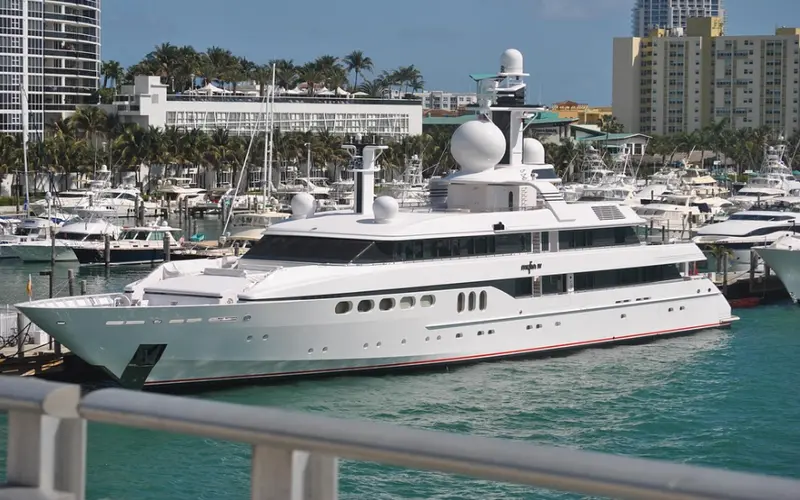
In the used boat market, there are significant differences in how well different brands hold their value. Boats from premium brands can maintain a high market value even after years of use, while those from ordinary or lower-end brands depreciate more quickly.
According to the used boat retention ranking compiled in the article 'The 15 Boat Brands with the Best Resale Value in 2026,' highly rated brands such as Boston Whaler, Sea Ray, Beneteau, and Jeanneau have high resale demand in the used market and therefore offer better retention rates. For example, Boston Whaler typically retains 80%–90% of its original price in the used market, while brands like Sea Ray and Beneteau also depreciate at a relatively slower rate due to stable market demand.
Although the actual rate of value retention is influenced by factors such as the boat’s age, maintenance history, engine hours, and regional demand, mid- to high-end used boats generally retain a higher value for about five years. According to data released by hulls.io in April 2026, after five years of use, a typical yacht loses approximately 30%–35% of its value on average; however, premium brands experience a slower depreciation curve, and there are significant differences in value retention among different brands.
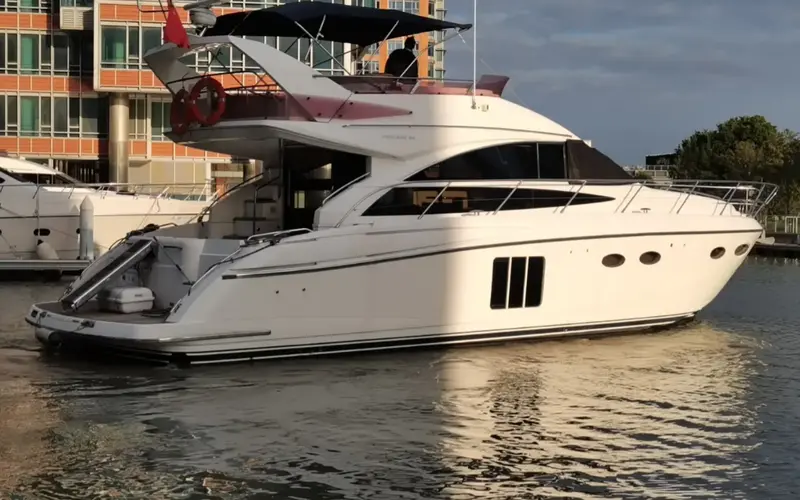
I once assisted a client in purchasing a well-maintained Princess flybridge yacht. Although the initial purchase price was slightly higher than that of comparable standard brands at the time, due to a complete maintenance record, low engine hours, and a favorable mooring environment, the client lost only about 15% of the value when selling the yacht after holding it for four years. This retention performance is far below the market average and reflects the stable demand and resale advantages of top-tier brands in the used market.
Overall, brand recognition and market acceptance are key factors in determining a used boat’s retention of value. For buyers planning to hold a vessel long-term or potentially resell it in the future, prioritizing brands with strong value retention can help reduce overall ownership costs and safeguard future value.
How Should Beginners Choose the Right Boat?
For first-time boat buyers, choosing the right boat model is crucial. This decision not only affects the user experience but also directly impacts long-term maintenance costs and overall satisfaction. In addition to price and size, buyers should carefully consider daily usage scenarios, the number of family members, cruising distance, mooring conditions, and their ability to perform maintenance.
Furthermore, safety and reliability are key factors. Beginners should opt for models from brands with a good reputation, comprehensive after-sales service, and readily available spare parts to ensure any issues encountered during navigation can be addressed promptly. By carefully planning the purchase budget, aligning it with actual usage needs, and reviewing brand reputation, boat models, and maintenance records, beginners can select a boat that suits them with minimal risk.
As a consultant with extensive experience in the yachting industry, I often advise new clients to first clarify three key points: primary use (recreation, fishing, or long-distance cruising), number of passengers, and mooring conditions. Selecting a boat model based on these criteria ensures a satisfying boating experience while keeping long-term ownership costs under control.
Boat Types Suitable for Weekend Cruising
If your primary use is family weekend outings, coastal cruising, or gatherings with friends, small to medium-sized motorboats and cruising sailboats are typically the most suitable options for beginners. These vessels are relatively easy to operate, convenient to moor, and offer ample leisure space.
Recommended Brand: Jeanneau
Recommended Boat Types: Sailboats, Motor Yachts
👉

2026 Jeanneau Sun Fast 30 One Design
- Length34.08 ft
- Cabins1
- Top speed12 kn
- TypeSailboat
The 2026 Jeanneau Sun Fast 30 One Design is a 30-foot one-design sailing yacht built specifically for offshore racing, emphasising performance, affordability and sustainability. Designed by VPLP, the yacht features a lightweight structure and a scow-style bow, striking a balance between speed and stability whilst supporting both single-handed and double-handed operation, making offshore racing more accessible.
The main advantages of small sailboats lie in their light weight, ease of handling, and low fuel costs. They are ideal for coastal cruising and short-distance voyages, allowing users to experience the joys of sailing firsthand while combining leisure with physical exercise. They are the perfect choice for weekend getaways and light cruising.
Family Leisure Boats
For first-time buyers, family leisure boats are typically the better choice if you have a large family or if your primary use is for recreation, weekend outings, and family gatherings. These models prioritize comfort and optimized interior layouts, offering spacious seating areas, sleeping quarters, and galley facilities to meet the needs of family trips and social gatherings with friends.
Recommended Brand: Beneteau
Recommended Models: Small to medium-sized flybridge yachts
👉
Beneteau Antares 11 flybridge
- Length36.60 ft
- TypeFlybridge yacht
The 11-meter-long Antares 11 is the flagship model in the outboard series and an outstanding representative of small family cruising boats. This powerboat combines modern design, offers a spacious and comfortable living space, and features excellent safety and seaworthiness, fully demonstrating Beneteau's innovative concepts in this series. The specially designed flybridge version of the Antares 11 further enhances the comfort of life on the water and brings you more abundant outdoor driving pleasures at the same time. The flybridge area not only expands the activity space but also provides a broad view and a superior driving experience, making every voyage out to sea a pleasant and unforgettable experience. Whether it's a family gathering or a casual cruise among friends, the Antares 11 flybridge version can ensure that you fully enjoy the charm of the sea in a safe and comfortable environment.
The greatest advantage of small-to-medium-sized flybridge yachts lies in their ability to balance ease of handling, spacious comfort, and excellent value for money. They typically feature practical amenities such as a bedroom, kitchen, and lounge area. While maintaining a high level of comfort, their maintenance and mooring costs are relatively manageable, making them one of the most popular boat types among beginners and families.
Luxury Yachts
Luxury yachts are ideal for users with high demands for comfort, space, and long-distance cruising. They typically feature large flybridges, luxurious interiors, and entertainment facilities, making them suitable for business hospitality, long-distance cruising, and high-end social events. Although the purchase and maintenance costs are higher, the space and experience they offer far exceed those of mid-sized motorboats.
Recommended Brand: Azimut
Recommended Model: Large Flybridge Yachts
👉
Azimut 83 FLY
- Length82.80 ft
- Cabins4
- Top speed28 kn
- TypeFlybridge yacht
Azimut 83 has three decks and the flybridge area reaches 42 square meters. The stern is specially designed to meet the needs of Brazilian customers who like barbecue and jacuzzi. Azimut 83 is 25.2 meters long. The layout of 4 luxury cabins including a spacious master cabin provides a comfortable accommodation environment for guests. There is a whirlpool bathtub inside the master cabin.
The greatest advantage of large flybridge yachts lies in their ability to combine luxury, comfort, and long-range cruising capabilities, offering a living experience akin to a “floating villa.” For those seeking a high-end boating lifestyle and comfort, large flybridge yachts are a popular choice that balances practicality with luxury.
Conclusion
There is no single answer to the question of where to buy a boat most cost-effectively. Online platforms are better suited for budget-conscious buyers, dealers are ideal for first-time buyers, and large yacht shows are best for those seeking brand-specific discounts, financing options, or limited-time configuration upgrades. Rather than simply chasing the "lowest price," it is more important to comprehensively evaluate the boat’s condition, maintenance history, brand resale value, and long-term holding costs over the next 3–5 years.
For most buyers, a well-maintained pre-owned boat with a complete maintenance history is often a better investment than a low-priced boat with hidden issues. This is particularly true in the powerboat and flybridge yacht markets, where engine service hours, the condition of electronic systems, and a history of major accidents directly impact the future ownership experience and resale value. Many boats that appear inexpensive at first glance may end up costing far more than expected in subsequent repairs, mooring fees, and insurance premiums.
As someone with extensive experience in the yacht industry, I usually advise clients to first clarify their budget, intended use, and long-term ownership plans before deciding whether to purchase a new or used boat. For example:
- If you prioritize warranties, the latest features, and low failure rates, a new boat is a better fit;
- If you value cost-effectiveness and long-term resale value, a used boat of moderate age is typically worth considering;
- If the primary use is for family weekend cruising, a mid-sized motorboat or cruising sailboat is often the most balanced choice;
- If the focus is on business hospitality or long-distance cruising, a flybridge yacht or luxury motorboat may be worth considering.
Overall, the truly "cost-effective"boat is not necessarily the cheapest one, but rather the one that best meets your needs, carries the lowest long-term holding risk, and offers the best overall value for money. Through careful planning, professional inspections, and a thorough understanding of market conditions, most buyers can find the ideal vessel that suits them.
Disclaimer
The content of this article is for reference only and does not constitute investment advice. This article has not received sponsorship from any shipyard, financial institution, or brand; The author has not been involved in any brokerage transactions for the vessels mentioned herein. Yacht specifications are based on publicly available information as of 2026. Actual prices may vary depending on region and market fluctuations. Actual specifications are subject to classification society certificates. Before purchasing, be sure to engage an independent surveyor (unaffiliated with the seller) to conduct a sea trial and verify the certificates. Neither the author nor this platform shall be liable for any losses incurred as a result of reliance on the information provided herein. Regulations and fees are subject to change; please ensure you check the latest requirements.
About the Author
Andrew Rogers is an experienced yacht broker whose extensive industry background provides him with unique insights into deep-sea fishing operations and vessel configuration. Through professional service and in-depth market analysis, Andrew assists clients in making informed vessel selection decisions.
FAQ
Q1: Where are good places to buy boats?
A: Good places to buy boats include online yacht marketplaces, local dealers, marinas, boat shows and private sellers. Online platforms such as YachtTrading are useful for comparing used yachts and international listings, while local dealers are often better for first-time buyers who need sea trials and after-sales support.
Q2: Should I buy a new or used boat?
A: When on a limited budget, used boats are usually a better value.
Q3: How can I tell if a used boat is in good condition?
A: Focus on the maintenance records, engine hours, and survey report.
Q4: What are the hidden costs of owning a boat?
A: These mainly include repairs, insurance, fuel, and docking fees.
Q5: Which yacht brands have higher resale value?
A: Premium brands such as Princess, Sunseeker, Beneteau, and Jeanneau generally offer stronger resale value and better market demand.
Q6: Is it safe for beginners to buy a boat online?
A: Online boat buying can be safe if you verify the listing, review inspection reports, and arrange a third-party survey before purchase.
Q7: Which is more cost-effective: buying online or through a dealer?
A: Online platforms usually provide more listings and price comparisons, while dealers are better for buyers who value after-sales support and in-person viewing.
Q8: Are boat shows a good place to buy a yacht?
A: Boat shows are ideal for comparing multiple brands in one place, and some models may include special event pricing or promotions.