For those who love life at sea, a yacht is a means of transport and a unique way of life. Whether it is for personal holiday, business reception, or to experience high-end charter services in popular destinations, understanding the classification of yachts is an essential step. In this article, Yachttrading will analyse the main classification criteria of yachts from various angles, helping you to have a clearer understanding of the characteristics and application scenarios of different types of yachts, and providing practical references for purchasing or chartering decisions.
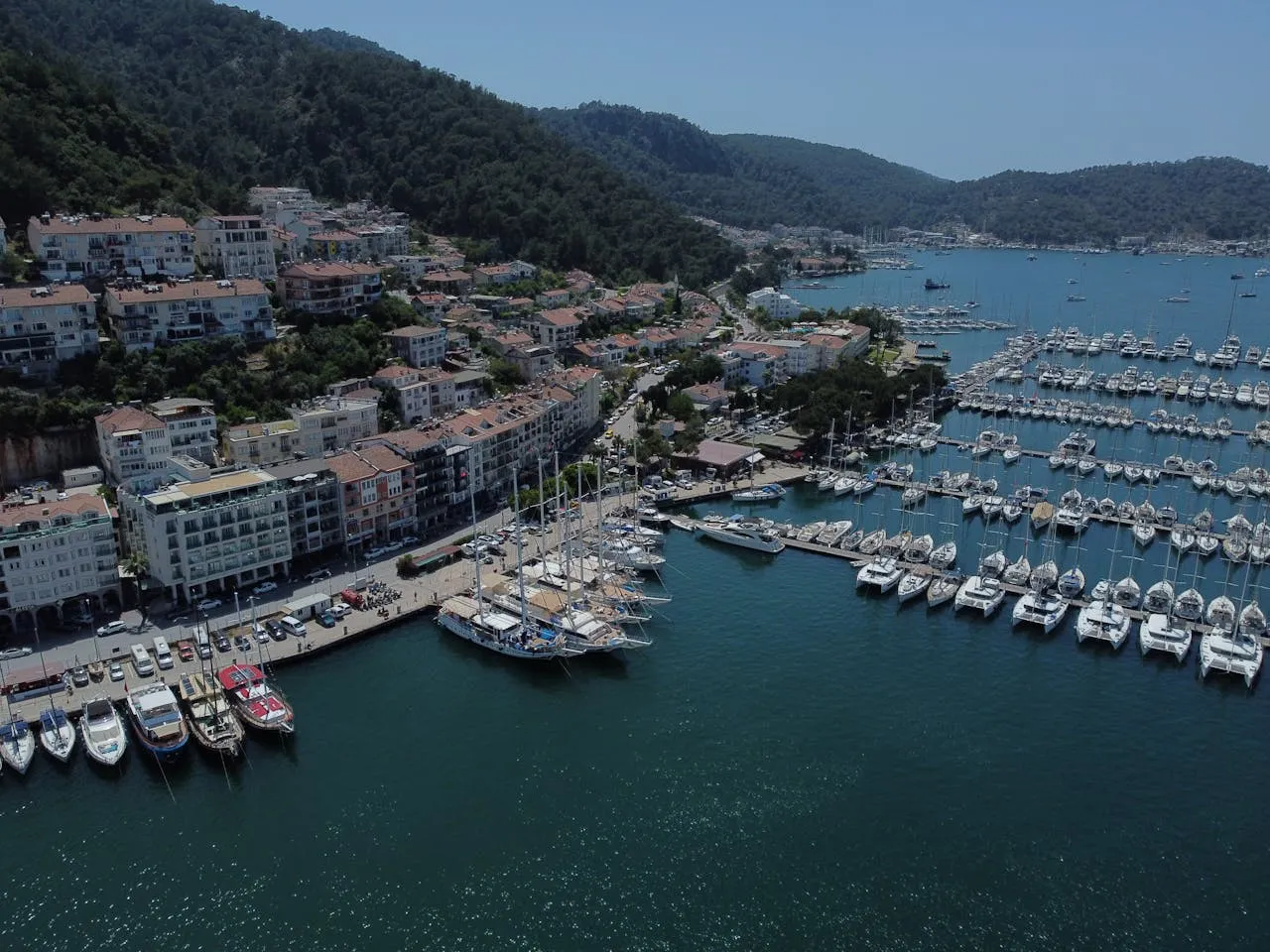
What is a Yacht?
A yacht is a luxury vessel built for entertainment and leisure purposes. Compared with other types of vessels, yachts are larger and more spacious, equipped with modern navigation equipment, comfortable cabins and amenities, and are suitable for long-distance sailing, racing or charter services. They are generally powered by either an inbuilt engine or by sails, with the choice being flexible depending on usage and personal preference.
Differences Between Yachts and Other Boats
In terms of function and design, yachts differ significantly from speedboats, fishing boats and sailboats. Yachts focus on speed and excitement, with minimalist facilities; fishing boats mainly serve fishing operations, with configurations favouring practicality; sailboats rely on wind power to sail, and are suitable for users with a certain degree of sailing experience. In contrast, yachts combine comfort, stability and luxury, making them an ideal vehicle for life at sea.
How Are Yachts Categorised?
Yachts are categorised in a variety of ways, usually based on the form of power, structure, size etc., and mainly include the following categories:
Motor yachts
These yachts are powered by engines and are by far the most common category. They are designed to focus on speed and ease of operation, and are particularly suitable for those seeking an efficient cruising experience. Mostly over 40 feet in length, with multiple cabins, kitchens and entertainment systems inside, they are ideal for corporate events, gatherings of family and friends, or sailing across the region.
Sailing Yachts
Sailing yachts use sails as the main driving force and emphasise traditional sailing culture and environmental protection. They range in size from small day boats for short distances to large yachts with ocean-going capabilities. With their unique manoeuvring experience and challenging wind management, sailing yachts are the preferred choice of many maritime purists.
Catamarans
The catamaran structure offers the greatest advantage of stability and space, both in terms of resistance to heeling when sailing at sea and in terms of comfort on deck and in the cabins, far exceeding the monohulls of the same class. Available in power or sailing versions, they are particularly suitable for family holidays, island adventures and other relaxing journeys, and are popular in the Middle East market.
Superyachts and Megayachts
If you are looking for the ultimate in luxury at sea, then a superyacht or megayacht is the way to go. Over 100 feet in length, they are equipped with high-end features such as swimming pools, helipads, gyms and cinema systems, and are capable of transcontinental cruising. Ideal for large gatherings, high end customised cruises or long voyages.
Core Amenities and Features of a Yacht
Beyond categorisation, a yacht's ability to provide a complete experience of life at sea is made possible by its many carefully designed facilities:
Cabins and living areas: most yachts are equipped with multiple sleeping cabins with beds, lockers and en-suite bathrooms to ensure a comfortable and private journey.
Galleys and bathrooms: well-equipped kitchens cater for long hours of eating and drinking, while sanitary cabins ensure a convenient daily routine.
Entertainment and leisure facilities: luxury class yachts are often equipped with sound systems, cinema equipment and even spa areas, making them the perfect space for socialising and relaxing at sea.
Navigation and safety technology: GPS positioning, electronic charts, radar systems, sonar, depth sounders, etc. ensure safe navigation in different segments. Autopilot system can further reduce the stress of the crew.
All yachts are equipped with standard safety equipment such as life jackets, life rafts, fire extinguishers and first aid kits. Special fire extinguishers should be installed, especially in fire-prone areas such as the galley and engine room. In case of emergency, such as a fire in the bow, people on board should be notified quickly, evacuated in an orderly manner, and the power supply should be cut off decisively and the fire extinguishing system should be activated to ensure personal safety.
Whether you are planning to buy a private yacht, or considering leasing a yacht to experience a luxury sea journey, figuring out the classification and functional configuration of the yacht is a critical first step. Yachts have long ceased to be a luxury for the few due to their powerful space layout, advanced equipment systems and unique sailing experience, and have become a new choice for more and more people to enjoy a quality life.
Yachttrading, as a professional one-stop yacht service platform, is committed to providing you with authoritative knowledge of yacht classification, real-time market consulting, yacht charter and sale, transport and after-sales service support. If you still have questions about yacht selection, please feel free to contact our online customer service for more information.