Boat insurance costs depend on the vessel's value, type, engine, intended use and selected coverage. If you are buying a used boat or yacht, confirm the insurer's approval, policy terms and effective date before completing the purchase or arranging delivery.
Is Boat Insurance Required in Indiana?
Indiana generally does not require standard boat insurance for privately operated recreational boats. However, specific insurance requirements may apply to boats carrying passengers for hire on public waters. Lenders and marinas may also require coverage under their financing agreements or facility rules.Private Recreational Boats
For privately operated recreational boats, Indiana generally does not mandate standard boat insurance. However, owners may still be legally responsible for bodily injury or property damage arising from accidents they cause.Without appropriate insurance, you may need to pay for your own boat repairs and other losses that would otherwise fall within the scope of a policy.
Boats Financed Through a Lender
A lender may require physical damage coverage as a condition of financing. Depending on the agreement, this may include comprehensive and collision coverage to protect the lender's financial interest in the boat.Before finalizing the policy, check the required coverage limits, deductibles and loss-payee provisions.
Boats Kept at a Marina
A marina may require proof of liability insurance before allowing a boat to occupy a slip or use its facilities. Requirements vary, so confirm the minimum liability limits and any additional-insured provisions directly with the marina before arranging a berth.Boats Carrying Passengers for Hire
Indiana has specific marine liability insurance requirements for certain boats carrying passengers for hire on public waters. Under 312 IAC 5-14-23, the boat owner must maintain bodily injury marine liability insurance in the lesser of $85,000 per passenger per accident or $1 million in the aggregate.Under 312 IAC 5-14-1(c), the state passenger-for-hire rule provides an exemption when a person submits current, valid proof of the boat's U.S. Coast Guard regulation and inspection and demonstrates compliance with those requirements. The exemption concerns Rule 14; it does not automatically remove other applicable legal or contractual obligations.
Whether state requirements apply depends on the vessel, operating arrangement and relevant regulations. Before carrying paying passengers, operators should confirm applicable insurance, inspection and operating requirements with the Indiana Department of Natural Resources or another relevant authority.
How Much Does Boat Insurance Cost in Indiana?
Boat insurance costs in Indiana vary according to the vessel's type, value, engine power, intended use, storage arrangements and selected coverage.Progressive reports an average annual premium of $283.68 for its Indiana boat policies covering a single watercraft, based on data from December 2024 through November 2025. It also advertises eligible liability-only policies starting at $100 per year.
These insurer-specific figures are not a statewide average or a guaranteed 2026 quote. The $100 starting price is for basic liability coverage and should not be used as the estimated cost of a policy that also covers physical damage to the boat.
For a meaningful estimate, request personalized quotes based on your vessel, intended use, insured value, liability limits and deductibles.
For a broader comparison of annual premiums across different vessel types and values, see our guide to boat insurance costs in 2026.
What Factors Affect Boat Insurance Costs in Indiana?
Several factors can influence your annual boat insurance premium.| Factor | How It May Affect Your Premium |
|---|---|
| Boat Type and Insured Value | Repair or replacement costs can affect the premium. |
| Age and Condition | Older vessels or documented damage may affect eligibility and underwriting requirements. |
| Engine and Performance | Horsepower, speed and vessel design may influence risk assessment. |
| Boating and Claims History | Experience and previous claims may affect pricing and eligibility. |
| Navigation and Storage | Operating area, storage location and seasonal arrangements may affect coverage and pricing. |
| Intended Use | Private recreation, rentals and paid passenger operations may require different policies. |
| Coverage Limits and Deductibles | Higher coverage limits or lower deductibles may increase premiums. Higher deductibles generally mean greater out-of-pocket costs after a covered loss. |
What Does Boat Insurance in Indiana Cover?
Boat insurance can protect against certain liability claims, damage to the insured vessel and other covered losses. The available protection depends on the policy, selected coverage options, limits and exclusions.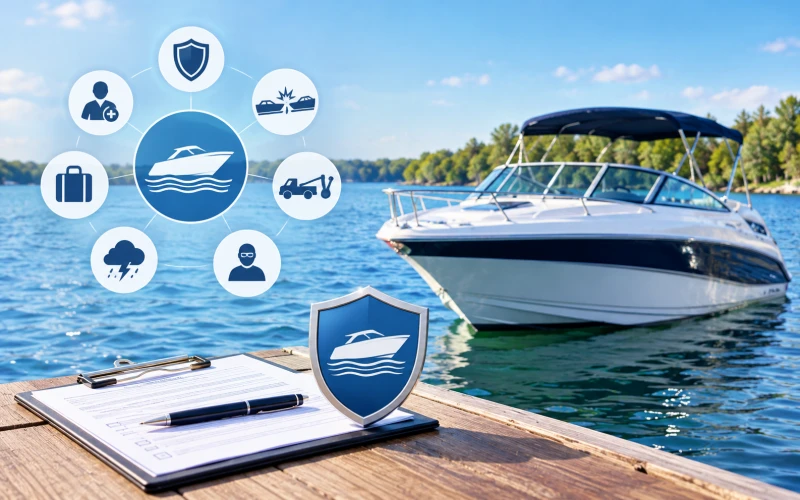
Common Coverage Under Boat Insurance in Indiana
| Coverage Type | What It May Cover |
|---|---|
| Bodily Injury and Property Damage Liability | Covered claims for injuries to others or damage to their property for which you are legally responsible. |
| Physical Damage (Collision and Comprehensive) | Collision coverage may pay for covered damage from a collision, while comprehensive coverage may apply to specified non-collision losses, such as theft or certain storm damage. Availability and terms vary by policy. |
| Medical Payments | Eligible medical expenses for you or your passengers, subject to the policy terms and limits. |
| Uninsured/Underinsured Boater Coverage | Certain injuries caused by an uninsured or inadequately insured boater, where available and included in the policy. |
| Personal Effects | Covered loss of specified personal belongings, subject to limits and exclusions. |
| Towing and Emergency Assistance | Eligible on-water towing or emergency services if included in the policy. |
Liability Coverage vs. Physical Damage Coverage
Liability coverage helps pay covered third-party claims for bodily injury or property damage for which you are legally responsible. Physical damage coverage applies to covered damage to your insured boat.These coverages serve different purposes. Liability coverage does not automatically pay to repair your own boat, while physical damage coverage does not replace liability protection. Consider both when comparing policies.
Actual Cash Value vs. Agreed Value
The valuation method can affect how a covered total loss is settled.- Actual Cash Value (ACV): The settlement generally reflects the boat's value immediately before the loss, taking depreciation into account.
- Agreed Value: The policy specifies a value agreed upon by the insurer and policyholder. For a covered total loss, settlement is determined under the policy's agreed-value provisions.
What Is Not Covered by Boat Insurance in Indiana?
Boat insurance exclusions depend on the policy wording, endorsements and circumstances of the loss. Common issues to review include wear and tear, mechanical breakdown, storage conditions and activities outside the policy's permitted use.Wear and Tear, Mechanical Failure and Maintenance
Routine wear, corrosion, deterioration and mechanical breakdown may be excluded. Coverage for resulting damage depends on the cause of the loss and the policy terms. Review how the policy treats failed components and any damage that follows.Flood, Storm, Freezing and Winter Storage Risks
Coverage for flooding, storm damage, freezing and losses during winter storage depends on the policy wording, endorsements and circumstances of the loss. Check the applicable navigation limits, lay-up requirements, storage conditions and any precautions required by the insurer.If the boat will be stored ashore, kept in a marina or left unused during winter, confirm how these arrangements affect coverage before the relevant period begins.
Other Exclusions and Policy Limits
Other restrictions may apply to intentional damage, unauthorized operators, certain racing activities or use outside permitted navigation areas. Deductibles, sublimits and policy conditions may also affect the amount payable on a claim.Review the exclusions and endorsements before the policy takes effect, especially those relevant to how and where you plan to use the boat.
Commercial operations, including rentals and paid passenger trips, may require specialized coverage. Confirm the appropriate policy with the insurer before undertaking these activities.
How to Compare and Get Boat Insurance Quotes in Indiana
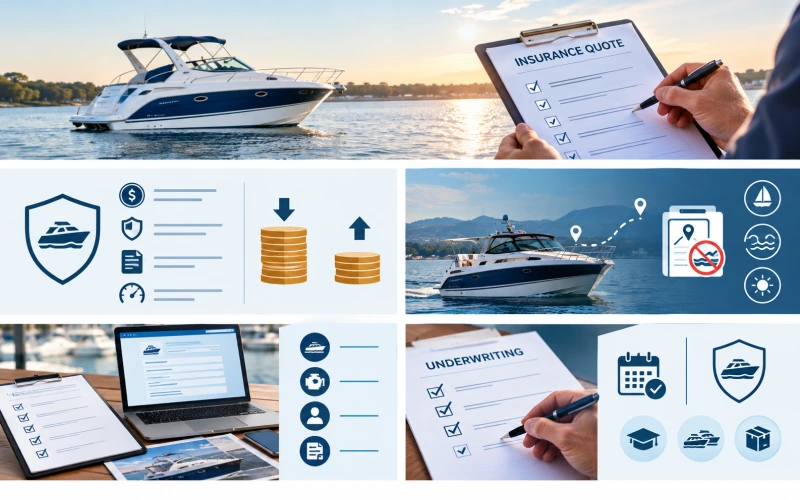
When comparing boat insurance quotes in Indiana, look beyond the annual premium. Review coverage limits, deductibles, exclusions and underwriting requirements to determine whether each policy suits your vessel and intended use.
Compare Coverage Limits and Deductibles
Compare liability limits, physical damage coverage and deductibles across quotes. Requesting quotes with similar coverage terms makes it easier to identify meaningful price differences.A higher deductible may reduce the premium but increases your out-of-pocket costs after a covered loss. Consider whether you could comfortably pay the deductible and cover any losses that fall outside the policy limits.
Review Exclusions and Navigation Limits
Check each policy's exclusions, permitted navigation areas and restrictions on vessel use. Confirm that the terms accommodate your intended boating locations and activities, including any planned long-distance trips or commercial operations.Pay particular attention to restrictions that could affect coverage during seasonal storage, delivery voyages or paid passenger trips. A lower premium may not represent better value if the policy excludes activities relevant to your plans.
Prepare Your Boat Details and Request Quotes
You can request quotes directly from insurance companies or through an independent insurance agent. Prepare the following information to help insurers assess your vessel and provide comparable estimates:- Boat brand, model, year and length
- Hull identification number (HIN), where available
- Purchase price or estimated vessel value
- Engine type and horsepower
- Ownership or registration details, where available
- Intended use and typical navigation areas
- Boating experience and relevant claims history
Confirm Underwriting Requirements and Policy Effective Date
Check whether the insurer requires a survey, valuation, repairs or supporting documents before coverage can begin. Review the final policy terms and obtain written confirmation of the effective date and time. A quote or application alone does not establish that coverage is in force.Ask about discounts for approved boating safety courses, multiple boats and eligible policy bundles, then compare the final premiums and coverage terms.
Boat Insurance for Used Boat and Yacht Buyers
For used boat and yacht buyers, insurance should be part of the purchase timeline rather than a task left until after closing. The key is to establish whether the vessel is insurable on acceptable terms and when the policy will actually protect you.Obtain a Preliminary Quote Before Committing
Request a preliminary quote while evaluating the vessel, using the available specifications, expected purchase price, intended use and planned navigation area.An early quote helps you estimate insurance costs and identify potential coverage limitations before committing to the purchase. Treat it as an initial indication rather than a guarantee of acceptance or proof that coverage is in force.
Confirm Insurability and Survey Requirements
Ask the insurer whether it will cover the specific vessel and whether approval depends on a marine survey, professional valuation, repairs or additional documentation.If a survey is required, confirm the acceptable surveyor qualifications, the required scope of inspection and whether any findings must be addressed before coverage can begin. Resolve outstanding underwriting conditions before relying on the proposed policy.
Coordinate Coverage with Closing and Delivery
Coordinate the policy's effective date with the purchase closing, handover and planned delivery arrangements. Confirm when responsibility for the vessel transfers and when insurance coverage actually begins.Do not assume that a policy automatically covers the voyage from the seller's location to your intended marina. Ask the insurer to confirm that the planned route, vessel operator and operating conditions are permitted under the policy. Obtain written confirmation of any required endorsement or additional approval before departure.
Keep Insurance and Ownership Checks Separate
Insurance approval does not establish clear title or confirm that a vessel is free of mortgages or liens. Before completing the purchase, verify the seller's authority to sell and review the relevant ownership, registration and transaction documents. For a more detailed review, follow the appropriate boat title and lien checks before buying, including checks for recorded mortgages and the required discharge or release documents.The appropriate records and procedures depend on the vessel's flag, registration history and jurisdiction. A marine survey assesses vessel condition; it does not, by itself, establish ownership or confirm that no liens exist.
Keep insurance approval, condition assessment and ownership checks as separate parts of your due diligence.
When Do You Need Specialized Yacht Insurance?
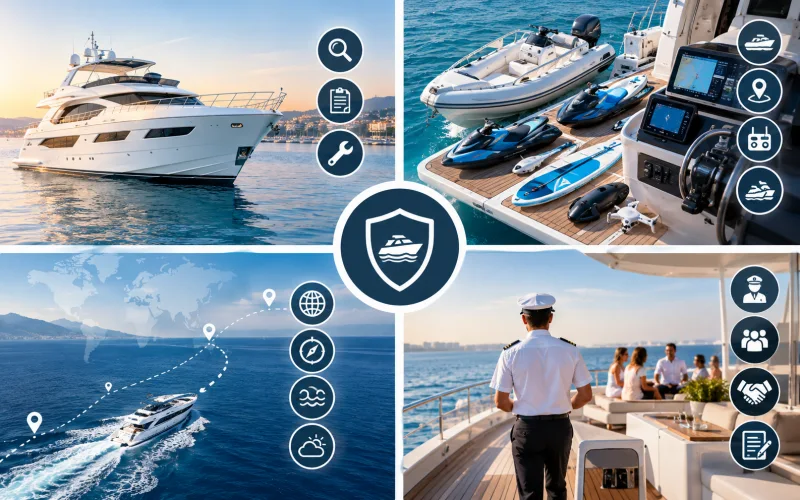
Some yachts require more tailored underwriting than a standard recreational boat policy can provide. This may apply to high-value vessels, older yachts, internationally operated boats or vessels used for charter.
A marine insurance specialist may help assess the vessel's risks and identify suitable coverage, particularly when its value, operating area or intended use creates requirements beyond a standard recreational policy.
High-Value and Older Yachts
Insurers may assess a yacht's value, length, age, construction and condition when determining eligibility and policy terms. Some vessels may require a current marine survey, professional valuation or evidence that specified repairs have been completed.Ask what documentation is acceptable, whether survey recommendations must be addressed before coverage begins and how the insurer will determine the insured value.
Requirements vary by vessel and insurer. There is no single size or value threshold that applies to every policy.
Tenders, Electronics and Onboard Equipment
Review how the policy treats tenders, navigation and communication electronics, water toys and other valuable equipment.Some items may be included in the yacht's insured value, while others may be subject to separate limits, declaration requirements or additional coverage.
Check the policy schedule for applicable sublimits, deductibles and exclusions. Do not assume that every item kept aboard or used with the yacht is covered for its full replacement cost.
International Navigation and Delivery Voyages
A yacht's intended navigation area can affect eligibility, premiums and policy conditions. If you plan to operate internationally, relocate the vessel or undertake a delivery voyage, confirm that the intended route and operating conditions fall within the policy's permitted navigation area.Review geographic restrictions, seasonal conditions, lay-up requirements and any conditions relating to the vessel's operator or crew.
If your plans change after the policy is issued, contact the insurer before entering a restricted area or undertaking an activity that may fall outside the existing terms.
Professional Crew and Commercial Operations
Yachts operated by professional crew or used for charter and other commercial activities may require coverage specifically designed for those operations.Depending on the arrangement, insurers may impose conditions relating to crew qualifications, manning, operating procedures or the nature of the business.
Disclose the intended use when requesting coverage. A recreational policy should not be assumed to cover paid passenger trips, charter operations or other commercial activities.
Consider consulting a marine insurance specialist if your yacht has a high insured value, operates internationally, requires specialist underwriting or will be used commercially. Before purchase or delivery, obtain written confirmation of the proposed coverage, applicable operating restrictions and any outstanding underwriting conditions.
Find a Boat or Yacht That Fits Your Plans
Insurance is one part of preparing for boat ownership. Before choosing a vessel, consider its purchase price, condition, intended use and the insurance requirements that may affect your ownership costs.
If you're comparing options, explore YachtTrading's new and used yacht listings to find vessels that match your budget and boating plans.

About This Guide
This guide is intended to help boat and yacht buyers understand the main insurance considerations when purchasing or owning a vessel in Indiana. State requirements, insurer underwriting rules and policy terms can change. Confirm applicable regulations with the relevant authorities and obtain written coverage details from your insurer before making a purchase or operating a boat commercially.
Last Reviewed: October 23, 2026
Disclaimer
This article is for general informational purposes only and does not constitute legal, insurance or financial advice. Consult qualified professionals for advice specific to your circumstances.
FAQ
Q1: Is Boat Insurance Mandatory in Indiana?
A: Indiana generally does not require insurance for privately operated recreational boats. However, certain boats carrying passengers for hire are subject to state marine liability insurance requirements, and lenders or marinas may impose additional coverage conditions.
Q2: Does Homeowners Insurance Cover a Boat?
A: A homeowners policy may provide limited coverage for certain small boats or specific losses, but protection varies by policy and may not extend to larger vessels, on-water liability or all boating activities. Review your policy before assuming separate boat insurance is unnecessary.
Q3: Can I Insure a Used Boat Before Completing the Purchase?
A: Yes. You can request a preliminary quote while evaluating a used boat. Final coverage may depend on insurer approval, a marine survey, valuation or other underwriting conditions. Confirm the effective date before completing the purchase or taking delivery.
Q4: Does Boat Insurance Cover a Boat During Delivery After Purchase?
A: Not automatically. Confirm that coverage is in force and that the planned delivery route, vessel operator and operating conditions are permitted under the policy. Obtain written confirmation of any additional approval or endorsement required before departure.
Q5: Does Boat Insurance Cover a Boat Used for Charter?
A: A standard recreational boat policy may exclude or restrict charter and other commercial activities. Disclose the intended use before purchasing coverage and confirm that the policy specifically permits the planned operation.