Quick Answer
As a broker with over a decade of experience in the yacht market, I can tell you that a fully custom-built Feadship yacht typically takes 3–5 years from concept design to final delivery. This timeline depends on the yacht’s size, the complexity of the customization, and the speed of the owner’s decision-making.
40–60-meter yachts: approximately 2.5–3.5 years
60–80-meter yachts: approximately 3–4 years
Superyachts over 80 meters: approximately 4–6 years
Highly customized projects: may exceed 6 years
In other words, waiting is inevitable, but it is precisely this time investment that guarantees the unparalleled craftsmanship and performance of Feadship yachts.
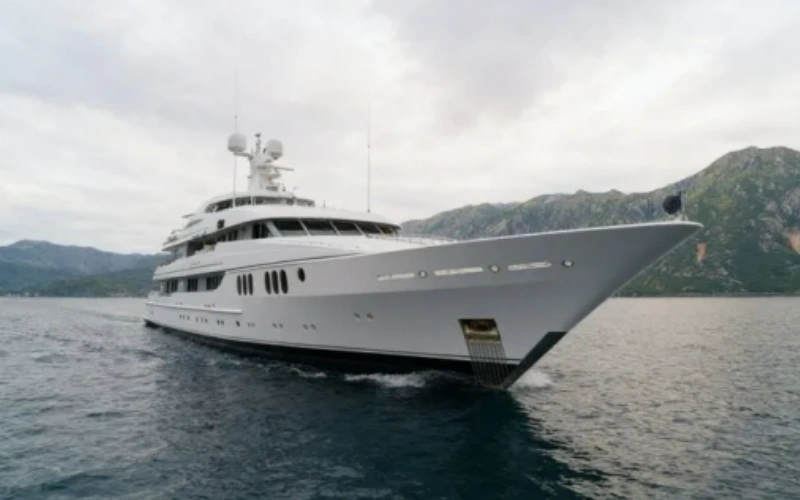
How Long Does It Take to Build a Feadship Yacht?
Unlike most semi-custom yachts on the market, Feadship yachts are built using a Full Custom approach. Each yacht is crafted from the ground up by a team of top-tier designers and engineers, meaning the build cycle cannot be shortened. Based on my extensive experience tracking Feadship projects, the build cycle varies depending on the yacht’s size, system complexity, interior design, and changes in the owner’s decisions.
Below are typical build cycles for yachts of different lengths:
| Yacht Length | Construction Period | Customization Complexity |
| 40–60 meters | 2.5–3.5 years | Moderate |
| 60–80 meters | 3–4 years | High |
| Over 80 meters | 4–6 years | Extremely High |
As you can see, the larger the size and the higher the level of personalization, the longer the construction period. In practice, I have encountered some projects over 80 meters where the actual construction period exceeded 6 years due to extremely high interior design requirements.
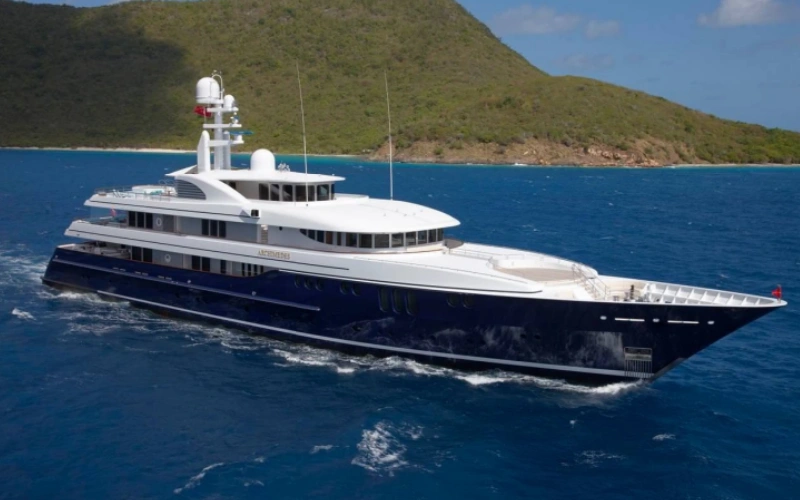
Detailed Breakdown of Feadship Yacht Construction Phases
In the numerous Feadship yacht projects I have participated in and tracked, the construction of a yacht is typically divided into six phases. Each phase has fixed deadlines that cannot be shortened, and the speed of the owner’s decision-making and customization changes are the primary factors causing delays.
Concept Design Phase (3–6 months)
The construction cycle begins with communication between the owner and the design team. During this phase, we clarify the yacht’s intended use, layout, and stylistic requirements while developing preliminary concept sketches.
In one project I was personally involved in, the owner made multiple layout revisions during the preliminary design phase, extending this stage from the original four-month plan to nearly six months. The lesson here is that clearly defining requirements early on can save a significant amount of time later in the process.
Preliminary Design and Engineering Planning (6–12 months)
Once the concept is finalized, the project moves into the engineering design phase. This phase includes hull structural design, propulsion system planning, stability calculations, and confirmation of costs and the construction timeline.
This is also the most technically demanding part of the entire project, requiring structural analysis, seakeeping performance simulations, and ensuring compliance with international safety and classification society standards (such as Lloyd’s or RINA).
Contract Signing and Scheduling (3–6 months)
Top-tier shipyards like Feadship typically have fully booked schedules. Even after the design is complete, signing the contract and securing a slot can take several months.
I often advise clients to communicate with the shipyard early in the design phase to ensure the schedule aligns with the budget; otherwise, there may be a delay where the design is finished but the construction slot is not yet available.
Hull Construction Phase (12–24 months)
This phase is the core of the construction process and includes the building of the steel or aluminum hull, section assembly, welding, and the installation of basic mechanical systems.
The hull construction phase for Feadship yachts is relatively predictable, but large yachts still require over a year to complete the basic structure. This is also the most predictable part of the entire cycle.
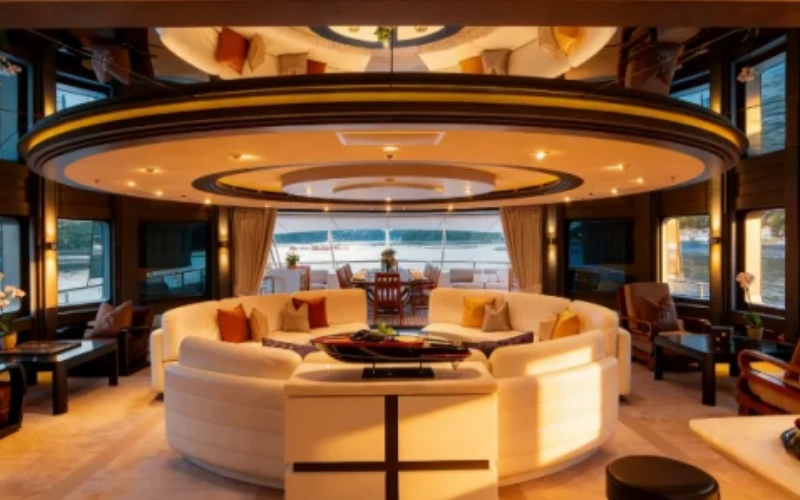
Interior Fit-out and Systems Integration (12–18 months)
This is the phase most prone to delays in the entire project. Feadship yachts feature highly customized interiors, requiring meticulous furniture craftsmanship, installation of luxury materials, audiovisual systems, smart control systems, and artistic finishes.
In an 80-meter project I oversaw, the owner frequently revised the living room layout during the interior phase, extending this stage by nearly six months. I personally recommend that clients finalize all interior requirements before signing the contract to minimize changes later on.
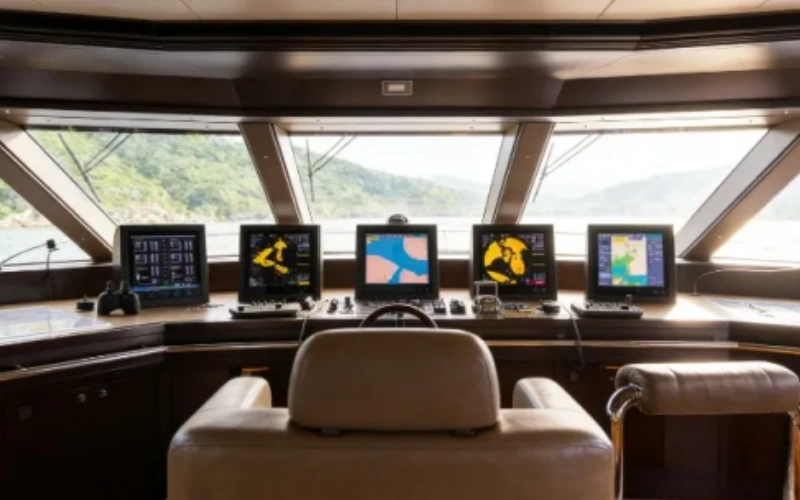
Sea Trials and Delivery (3–6 months)
The final phase includes sea trials, system commissioning, safety certification, and final delivery. The sea trial phase cannot be compressed, as it is essential to ensure the yacht’s stability and safety under various sea conditions.
Even with flawless preliminary work, the sea trial phase for a Feadship yacht requires at least three months to complete all testing and adjustments.
Factors Affecting Feadship Yacht Construction Timelines
Yacht Size and Complexity: Larger yachts have more systems, resulting in longer installation and commissioning times.
Level of Customization: The higher the level of customization, the longer it takes to complete interior work and system integration.
Shipyard Scheduling: Top-tier shipyards are typically fully booked, resulting in long wait times.
Technological Innovations and Special Requirements: Features such as hybrid propulsion and zero-emission technologies can extend the build cycle.
Supply Chain and Material Delivery: Shortages of high-end materials or equipment may cause delays.
Comparison of Feadship Build Times with Other Superyacht Brands
| Brand | Construction Cycle | Customization Level |
| Feadship | 3–5 years | Extremely high |
| Lürssen | 4–6 years | Extremely high |
| Benetti | 2–4 years | Medium-high |
| Sunseeker | 1.5–3 years | Medium |
As shown in the table, while Feadship yachts have a longer construction cycle, this is offset by full customization, top-tier craftsmanship, and strong resale value.
Conclusion
From concept design to delivery, the construction cycle for a Feadship yacht typically ranges from 3 to 5 years. For superyachts over 80 meters, it may even exceed 6 years.
Through numerous projects I have personally managed with clients, I have come to deeply appreciate that this waiting period itself is part of the experience of Feadship’s unparalleled craftsmanship.
If you seek the ultimate in customization and the ultimate at-sea experience, the time investment required for a Feadship yacht is well worth it.
About the Author
Emery, a yacht broker, yacht transaction consultant, and contributing writer for Yachting Magazine, has over a decade of experience in the yachting industry. As a SAMS-certified surveyor, he has been recognized as one of “Asia’s Top Ten Yachting Industry Experts” and honored with multiple industry accolades, including the “Outstanding Service Award for Yacht Brokers.”
Disclaimer
The content of this article is based solely on the author Emery’s personal experience and publicly available information, and is intended to provide a general reference regarding the construction timeline for Feadship yachts. The specific timeline, cost, and process for individual projects may vary depending on the yacht model, customization requirements, the shipyard’s schedule, and market conditions. Readers should consult a professional shipyard or certified yacht advisor to obtain accurate and up-to-date information before making any investment or purchase decisions.
FAQ
Q1: How long does it take to build a Feadship yacht?
A: Building a Feadship yacht typically takes 3–5 years, depending on the size and level of customization.
Q2: Why do Feadship yachts take so long?
A: Because they are fully custom-built, with every step involving meticulous design and rigorous engineering testing.
Q3: Can a Feadship yacht be delivered faster?
A: It is virtually impossible, unless the level of customization is reduced or a semi-custom platform is selected.