



For many standard recreational boats, annual boat insurance often falls in the few-hundred-dollar range, but larger coastal boats, high-performance vessels and yachts can cost much more. Yacht insurance is usually priced according to hull value, cruising area, usage, age, owner experience and coverage limits.
Are average boat insurance costs high?
For many first-time boat owners, it’s only after purchasing a boat that they realize insurance costs are actually a significant part of the long-term ownership expenses. This is especially true for luxury yachts, ocean-going vessels, and high-value flybridge boats, where insurance premiums are often much higher than those for ordinary recreational boats.
Based on my years of experience recommending yachts and assisting clients with purchases, the “ongoing insurance costs” are what many new boat owners most easily overlook. Many clients focus solely on the purchase price when selecting a boat, neglecting long-term expenses such as insurance, mooring, and maintenance. This is particularly true in coastal regions of the United States, where insurance companies are conducting increasingly rigorous risk assessments for vessels, and annual premiums for high-value yachts are rising more noticeably.
The Insurance Information Institute notes that some small boats may be covered to a limited extent under homeowners or renters insurance policies, while larger, faster vessels such as yachts typically require separate insurance coverage. Generally speaking, annual insurance premiums for small fishing boats or standard recreational boats range from approximately $100 to $1,000, whereas for yachts 50 feet or longer, annual premiums can reach $5,000 or more.
How Is Boat Insurance Typically Priced?
Boat insurance premiums are not calculated based solely on a fixed percentage of the vessel’s value; instead, a comprehensive risk assessment serves as the primary basis for pricing.
When setting premiums, insurers consider several key factors, including the vessel’s size, age, actual market value, propulsion system, typical sailing areas, whether it is permanently moored at a marina, plans for long-distance ocean voyages, and the owner’s sailing experience.
Based on my experience assisting clients with insurance inquiries, even among 50-foot yachts, those that are permanently moored at a marina, frequently sail to the Caribbean, and are over ten years old will have significantly higher insurance costs compared to other vessels of the same class. Conversely, a yacht of the same size that is used only on inland lakes, engages in seasonal cruising, and is in relatively new condition will have much lower insurance costs.
As a rough planning benchmark, many yacht insurance policies may fall around 1%–5% of the insured hull value per year, although well-maintained yachts used in lower-risk waters may be lower, while older yachts, long-distance cruisers or vessels operating in hurricane-prone areas may cost more.
The Relationship Between Vessel Price, Age, and Insurance Premiums
Many boat owners commonly hold the misconception that insurance premiums for used yachts are always cheaper, but this is not necessarily the case.
Based on our experience serving clients, insurance companies tend to be more cautious when it comes to older vessels. This is because older boats are prone to issues such as aging electrical systems, increased engine failure rates, structural wear and tear, and long-term saltwater corrosion—all of which directly increase the risk of operational failures and accidents.
For yachts over 15 years old, many insurance companies require:
• A hull inspection report
• An engine condition report
• Marine inspection records
According to the article “Complete Guide to Average Annual Marine Insurance Costs for 2026,” insurance premiums generally increase in tandem with a vessel’s value and the complexity of its equipment. Large luxury flybridge yachts, due to their more sophisticated electronic systems, navigation equipment, and higher maintenance costs, typically incur significantly higher insurance premiums than standard recreational boats.
Comparison of Average Insurance Costs for Different Types of Vessels
Taking the U.S. market as an example, the purchase values of different types of vessels vary widely, and the corresponding annual insurance costs also show significant differences across different tiers. Below are the reference ranges currently common in the U.S. market:
| Category | Typical Boat Value | Annual Insurance Planning Range |
| Small fishing boat | $5,000–$30,000 | $100–$500 |
| Family runabout / recreational boat | $20,000–$100,000 | $300–$1,000+ |
| Small cruiser / cabin boat | $100,000–$300,000 | $1,000–$5,000+ |
| Cruising catamaran | $300,000–$1M+ | $3,000–$15,000+ |
| 50ft+ flybridge yacht | $500,000–$2M+ | $5,000–$25,000+ |
| Superyacht | $5M+ | Custom quote |
Overall, in the U.S. market, the higher the value and the more luxurious the boat, the higher the average annual insurance premium. Small fishing boats have the lowest premium thresholds and are suitable for casual enthusiasts; family recreational boats have moderate premiums and are the mainstream choice for the general public; catamarans and luxury flybridge yachts, due to their high hull values and greater risk factors, incur significantly higher insurance costs. Before purchasing a boat, you can refer to this price range to plan your insurance budget and ownership costs in advance.
Insurance Costs for Small Fishing Boats
Small fishing boats typically have the lowest insurance costs of all boat types, making them the most common entry-level choice for many first-time boat owners. This is especially true in the U.S. market, where small fishing boats measuring around 15 to 25 feet—due to their relatively simple construction and lower maintenance costs—are generally easier for insurance companies to approve in their overall risk assessments.
Based on my years of experience recommending entry-level boats to clients, if the user intends to use the boat solely for:
• Weekend saltwater fishing
• Leisurely lake cruising
• Short family outings
• Light coastal cruising
I generally recommend starting with a small fishing boat rather than jumping straight into a large cruiser or luxury yacht. This is because many beginners only realize after owning a boat for some time that the financial burden of boat ownership extends far beyond the initial purchase price; ongoing costs such as insurance, maintenance, docking fees, and trailer transportation are equally significant. Currently, insurance for small fishing boats in the U.S. market ranges from approximately $100 to $300 per year.
Catamaran Insurance Costs
In recent years, catamarans have garnered increasing attention in the global yacht market. They have become one of the primary vessel types considered by many high-end enthusiasts and long-distance sailors, particularly for family cruising, round-the-world voyages, and extended stays at sea.
Compared to traditional monohull sailboats, the key advantages of catamarans are:
• Greater hull stability
• Less roll
• More living space
• Greater comfort during long voyages
As a result, many families—especially owners planning extended cruises or transoceanic voyages—tend to prefer catamarans.
We recommend 👉

CATSMART
- Length38 ft
- Cabins4
- Top speed15 kn
- TypeCatamaran sailboat
Bali Catamarans CATSMART is a light luxury entry-level catamaran built by the brand, focusing on high cost performance, flexible handling and practical space, integrating the brand's classic transparent design and simple layout. The hull is light and stable, the interior is compact and livable, balancing daily leisure and short-distance cruising.
However, from an insurance perspective, premiums for catamarans are typically significantly higher than those for standard small recreational boats; for some high-end cruising catamarans, insurance costs can even approach those of luxury motor yachts.
Currently, in the U.S. market, most catamaran insurance premiums range from approximately $2,000 to $10,000 per year.
Insurance Costs for Family Recreational Yachts
Family recreational yachts are currently the most popular and widely used type of vessel on the market. For many families new to yachting, these models typically strike a good balance between “budget, comfort, ease of operation, and long-term ownership costs,” making them the type I’m asked about most frequently when consulting with clients.
This category of family recreational yachts typically includes:
• Small cruisers
• Small to medium-sized flybridge yachts
• Family inshore pleasure boats
The 25- to 45-foot size range, in particular, is currently very popular in the European and American markets.
Many buyers are looking for:
• A family-friendly space for marine recreation
• Basic overnight accommodations
• Weekend cruising experiences
At the same time, they don’t want to shoulder the exorbitant maintenance costs associated with large luxury yachts, making family leisure yachts the top choice for many. Based on my years of experience recommending yachts to clients, when budgets fall between $200,000 and $800,000, this category of vessel is typically the primary consideration.
Compared to true superyachts, family leisure yachts are not only easier to handle but also offer more manageable long-term costs for insurance, mooring, and maintenance.
Here’s a recommendation 👉
Beneteau Antares 11 flybridge
- Length36.60 ft
- TypeFlybridge yacht
The 11-meter-long Antares 11 is the flagship model in the outboard series and an outstanding representative of small family cruising boats. This powerboat combines modern design, offers a spacious and comfortable living space, and features excellent safety and seaworthiness, fully demonstrating Beneteau's innovative concepts in this series. The specially designed flybridge version of the Antares 11 further enhances the comfort of life on the water and brings you more abundant outdoor driving pleasures at the same time. The flybridge area not only expands the activity space but also provides a broad view and a superior driving experience, making every voyage out to sea a pleasant and unforgettable experience. Whether it's a family gathering or a casual cruise among friends, the Antares 11 flybridge version can ensure that you fully enjoy the charm of the sea in a safe and comfortable environment.
Insurance premiums for this type of yacht typically range from $300 to $1,500 per year. If located in a coastal area, costs may increase further.
Insurance Costs for Flybridge Yachts
Flybridge yachts are typically one of the categories that really drive up the cost of boat insurance. Especially when the vessel exceeds 50 feet in length, insurers apply significantly stricter risk assessments, resulting in a more pronounced increase in premiums compared to standard recreational boats.
Compared to smaller yachts, flybridge yachts typically feature:
• Multi-level deck structures
• More complex electronic navigation systems
• Higher-value propulsion equipment
• Greater engine power
• More comprehensive living and entertainment spaces
We recommend 👉
Azimut Fly 62
- Length63.10 ft
- Cabins4
- Top speed30 kn
- TypeFlybridge yacht
The Azimut Fly 62 is a new-generation flybridge yacht launched by Azimut Yachts in 2024. Measuring approximately 19 metres in length, it is positioned in the 60-foot luxury cruising market. The vessel’s key selling point is its innovative ‘Beach Cockpit’ design, which breaks down the spatial boundaries of traditional flybridge yachts and seamlessly connects indoor and outdoor living.
While these features enhance the luxury experience, they also mean that the costs associated with maintenance and accident risks will increase accordingly. Consequently, when underwriting policies, insurers tend to focus more closely on the vessel’s overall value and operating environment.
Insurance premiums are typically significantly higher for the following categories of flybridge yachts:
• Large, multi-level flybridge structures
• Long-term mooring at high-end marinas
• Equipped with a professional crew
• Long-distance ocean cruising
• Frequent entry into high-risk waters
For many million-dollar flybridge yachts, annual insurance premiums alone can range from $5,000 to over $20,000. For larger superyachts, or those involving professional crews and international voyages, insurance costs can increase even further.
Reference for Insurance Premium Rates of Popular Yacht Brands
Even among luxury yachts of similar size, there are significant differences in average annual insurance premiums across different brands. Factors such as brand positioning, hull construction costs, and typical cruising areas all contribute to these variations. The following table provides size specifications and average annual insurance rates for major luxury yacht brands:
| Yacht Brand | Size | Annual Insurance Reference |
| Princess | 50-60 ft | $5,000-$12,000 |
| Azimut | 50-70 ft | $6,000-$15,000 |
| Sunseeker | Over 55 ft | Starting at $7,000 |
Within the same size class, Sunseeker has a higher minimum premium threshold; Azimut covers a wider range of sizes and has a higher maximum premium; Princess Yachts offers relatively moderate premium levels in the 50- to 60-foot range, and among mid-to-large luxury yachts, its overall insurance costs are more balanced. These brand ranges are provided for planning reference only. Actual insurance quotes are more significantly influenced by the insured vessel’s value, age, survey condition, operating area, engine configuration, claims history, and coverage limits, rather than solely by the brand name.
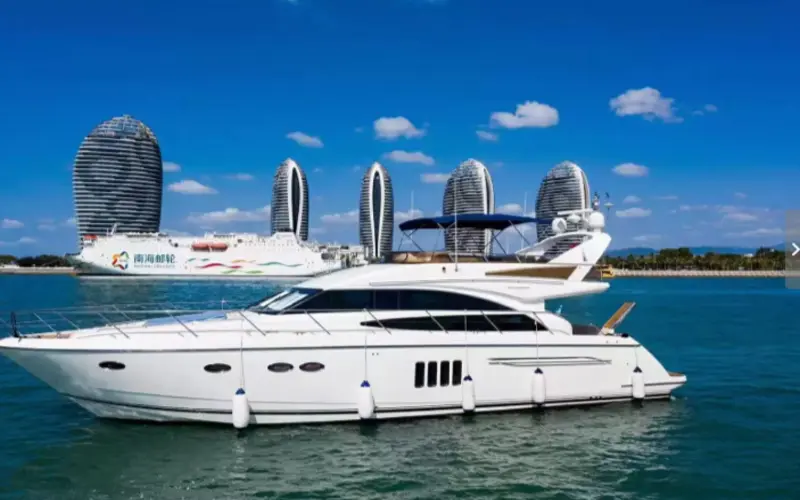
How Should Long-Distance Cruisers Choose Their Coverage?
For boat owners with genuine long-distance cruising needs, selecting marine insurance involves more complex considerations than for ordinary recreational boaters. Insurance companies place the greatest emphasis on—and have the most concerns about—situations such as vessels transiting high-risk waters and encountering extreme weather at sea. When providing insurance recommendations to clients planning long-distance voyages, we typically emphasize that they should not simply compare premiums; instead, they should focus on whether the actual scope of coverage aligns with their long-distance sailing needs.
Among the many boat owners I have worked with, most are willing to allocate a slightly higher annual insurance budget to prioritize insurance plans that offer reliable claims service, a mature international coverage system, and broader coverage of sailing regions, rather than simply pursuing the lowest premiums.
For owners of long-distance catamarans, large flybridge yachts, and those planning round-the-world cruises, insurance companies typically impose strict pre-underwriting requirements. These include providing the captain’s sailing resume, proof of professional navigation training, a comprehensive hull inspection report, and a complete list of safety equipment. Only after these documents are approved will the insurance application be formally accepted.
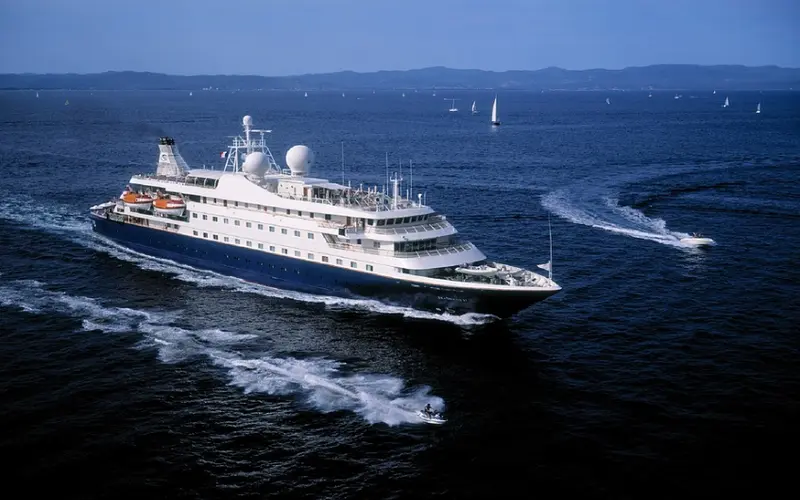
Which Supplementary Coverages Are Worth Purchasing
For boat owners who engage in long-term cruising or long-distance voyages across different regions, basic hull coverage is often insufficient. We recommend prioritizing the following cost-effective supplementary coverages, each of which offers practical value:
Typhoon and Hurricane Coverage
Specifically covers hull damage, grounding, and repair costs caused by storms, hurricanes, and typhoons—essential for high-risk waters.
Towing and Salvage Insurance
Reimburses costs for professional towing and salvage services when a vessel runs aground or loses propulsion at sea, preventing high out-of-pocket expenses.
Mechanical Breakdown Insurance
Covers repair and replacement costs for breakdowns of engines, electrical systems, and transmission systems, reducing the burden of large repair expenses.
High-Limit Third-Party Liability Insurance
Assumes liability for third-party claims in the event of collisions, personal injury, or damage to port facilities, mitigating the risk of substantial payouts.
International Navigation Extension Coverage
Extends coverage beyond the original designated navigation area to cover cross-border and transoceanic voyages, making it suitable for long-distance cruising and round-the-world voyages.
Large yachts are complex in structure, high in value, and operate over a wider range of waters. Basic primary coverage alone is far from sufficient; comprehensive liability insurance and multiple supplementary coverages are typically required to fully address the various risks associated with navigation, mooring, mechanical breakdowns, and natural disasters.
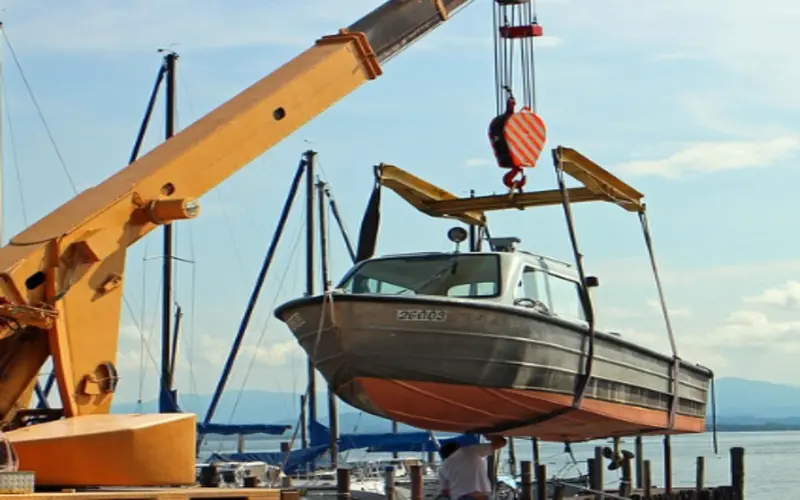
How to Reduce Long-Term Insurance Costs
Many customers ask, “Is there a way to lower my insurance premiums?” The answer is yes. Some effective methods include:
Increase the Deductible
Choosing a higher deductible can directly lower your annual premium. This is suitable for boat owners who can afford minor repair costs and are looking to optimize costs over the long term.
Complete Professional Boating Training
Holding a formal boating certification or advanced boating qualification demonstrates your professional competence to insurers and typically qualifies you for a premium discount.
Avoid High-Risk Navigation Areas
Reducing or avoiding navigation and anchoring in high-risk waters—such as hurricane zones and areas prone to piracy—can significantly lower the likelihood of being classified as a high-risk policyholder.
Install Monitoring and Alarm Systems
Installing vessel tracking, anti-theft, fire, or water ingress alarm systems reduces the risk of theft and accidental damage, and many insurers offer discounts for these measures.
Indoor Storage
Choosing a sheltered indoor storage facility or dry dock to store your vessel reduces natural wear and tear caused by storms, sun, and rain, which can also lower your premiums.
In particular, boat owners with valid sailing certifications and a long history of safe operation typically find it easier to secure lower premiums and more favorable coverage terms.

Conclusion
Overall, the variation in boat insurance costs is far greater than many beginners imagine.
From a few hundred dollars for a small yacht to tens of thousands of dollars for a large luxury yacht, different boat types, cruising areas, and usage patterns all directly impact long-term ownership costs.
Based on my years of experience helping clients select boats and plan budgets, truly seasoned boat owners rarely focus solely on the “purchase price.” Instead, they take a comprehensive approach, factoring in long-term operating costs such as insurance premiums, marina berths, annual maintenance, and fuel expenses. After all, once you’ve owned a yacht for the long term, it’s the ongoing holding costs that ultimately shape your overall experience.
If you are considering purchasing a yacht, I recommend creating a comprehensive budget plan in advance that includes insurance, maintenance, and future operating costs to avoid the pressure of exceeding your budget later on 👉Compare yachts by.
Disclaimer
This article is intended solely as a general planning reference and does not constitute professional advice regarding insurance, legal matters, finance, or underwriting. Before making a purchase decision, please be sure to obtain a formal quote from a qualified marine insurance provider. This article has not been sponsored by any shipyard, financial institution, or brand; the author has not been involved in any brokerage transactions involving the vessels mentioned herein. Yacht specifications are based on publicly available information as of 2026. Actual prices may vary due to regional differences and market fluctuations; actual specifications are subject to classification society certificates. Before purchasing, be sure to engage an independent surveyor (unaffiliated with the seller) to conduct a sea trial and verify relevant certificates. Neither the author nor this platform assumes any liability for any losses incurred as a result of decisions made based on the information in this article. Relevant regulations and fee schedules are subject to change; please verify the latest requirements.
About the Author
Andrew Rogers is an experienced yacht broker whose extensive industry background gives him unique insights into deep-sea fishing operations and vessel configuration. Through professional service and in-depth market analysis, Andrew helps clients make informed decisions about their vessel selections.
FAQ
Q1: Is boat insurance billed monthly or annually?
A: Most boat insurance policies are billed annually, but some insurers offer monthly payment options.
Q2: Does yacht insurance cover typhoon damage?
A: Some policies include this coverage, but many high-risk sailing areas require the purchase of additional hurricane coverage.
Q3: Can I purchase boat insurance without a boating license?
A: Yes, but insurers may charge higher premiums or require a professional captain to operate the vessel.