



Prices for used boats vary significantly depending on the model, brand, age, and specifications. Generally, small sailboats range from $30,000 to $200,000 and are suitable for family recreation and beginners; motor yachts range from $400,000 to $1.4 million and are aimed at users who enjoy the experience of cruising on a speedboat; Flybridge yachts range from $1 million to $30 million. The prices listed above are for reference only; actual pricing depends on the vessel’s condition and market trends.
How Much Does a Used Boat Cost?
Purchasing a used boat has become the top choice for many enthusiasts and families new to marine leisure activities, making it particularly important to understand the breakdown of costs. Many families prefer to buy used boats that offer good value for money, which has driven a steady rise in market demand. In addition to the purchase price, buyers must also factor in long-term expenses such as maintenance, insurance, and mooring fees. Planning for these expenses in advance can help avoid unexpected additional costs down the line. Based on industry realities, small boats often cost hundreds of thousands of dollars, while luxury yachts can reach tens of millions of dollars; the final sale price depends on the vessel’s actual condition and current market conditions.
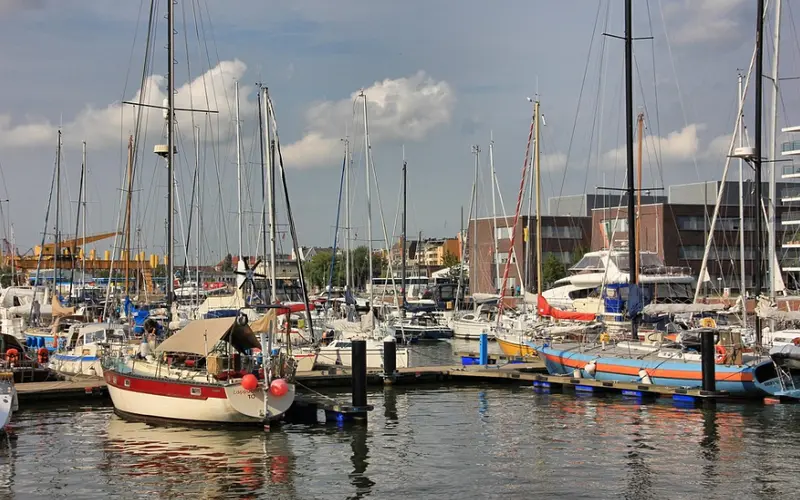
Used Boat Price Overview by Type
As a consultant with many years of experience in the yacht industry, I have found that many buyers lack a clear understanding of the price ranges for different boat types. In the pre-owned yacht market, differences in boat type, size, and market positioning directly result in a wide range of prices. The following table provides reference prices:
| Boat Type | Example Model | Price Range (USD) | Target Users |
|---|---|---|---|
| Small Sailboat (20-30 ft) | Corsair 880 Sport | $199,500 | Family leisure, beginners |
| Motor Yacht (30-50 ft) | Bayliner 4788 Pilothouse Motor Yacht | $201,416 | Enthusiasts fond of speed sailing experience |
| Flybridge Yacht (50-80 ft) | Azimut 64 | $5,200,000 | High-end clients, business reception & long-distance cruising |
This table clearly categorizes three popular boat types by hull type, size, and price: the 20–30-foot Corsair 880 Sport sailboat, the 30–50-foot Bayliner 4788 motor yacht with a cabin, and the 50–80-foot Azimut 64 flybridge yacht. These models cater to family beginners, speed enthusiasts, and high-end business users, respectively. With varying sizes and market positioning, they cover a wide range of boating scenarios—from entry-level to professional—providing sailing enthusiasts with different budgets and needs an intuitive and clear reference for selecting a boat.
Price Note:
The price ranges in this guide are based on publicly available used yacht listings, common broker observations, and typical ownership cost estimates. Actual prices vary by brand, model, build year, engine hours, refit history, location, and survey results.
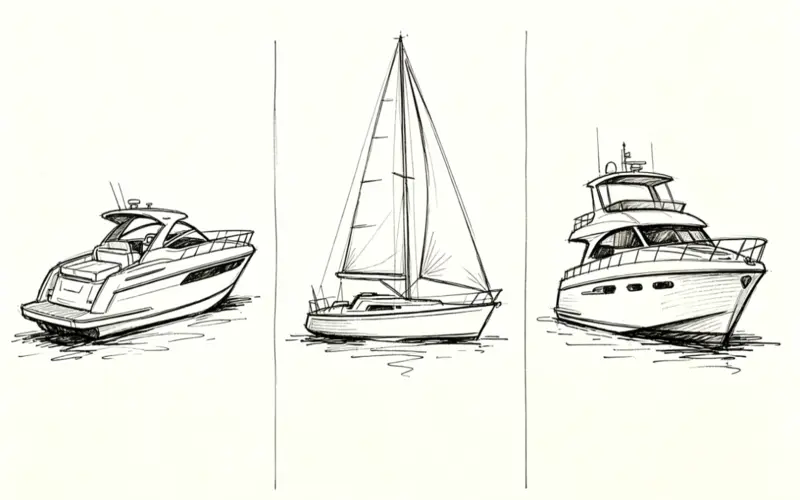
Key Factors Affecting Used Boat Prices
The price of used vessels is influenced by a variety of factors. Understanding these factors can help you better determine whether a price is reasonable and avoid purchasing a vessel with hidden issues. The relevant factors are as follows:
Age and Hours of Operation
A vessel’s age is one of the most direct factors affecting its price. Generally, a vessel’s market value depreciates by approximately 5%–7% for each year of use. However, this depreciation rate is not fixed and is also influenced by frequency of use and maintenance history. Vessels that have been in service for a long time or have undertaken frequent voyages experience faster wear and tear on their engines and mechanical systems, which naturally lowers their price. Conversely, if a vessel is used infrequently and has a complete maintenance record, its market value may still exceed the average, even if it is older.
Hull and Engine Condition
Hull material, structural integrity, and engine performance are key indicators determining the price of a used vessel. Composite or carbon fiber hulls are durable but costly; even minor scratches, leaks, or aging of the gelcoat can significantly impact value. As the vessel’s core propulsion system, the engine’s maintenance history and performance directly determine the price. The more complete the records of regular maintenance, oil changes, and replacement of consumables, the higher the price.
History of Major Accidents or Modifications
Vessels that have been involved in collisions, groundings, or undergone major modifications typically command a lower price, as such incidents or alterations may compromise the hull structure and mechanical performance, increasing the risk of future repairs. When purchasing a vessel, conducting a professional survey to identify any potential structural or engine issues is a critical step in ensuring a fair price.
Market Supply and Demand
The supply-and-demand dynamics of the boat market also influence used boat prices. For example, demand for high-end flybridge yachts is high during specific seasons (such as summer or before holidays), causing prices to rise accordingly; conversely, during the off-season or when the market is oversupplied, there may be opportunities to purchase the same model at a discount.
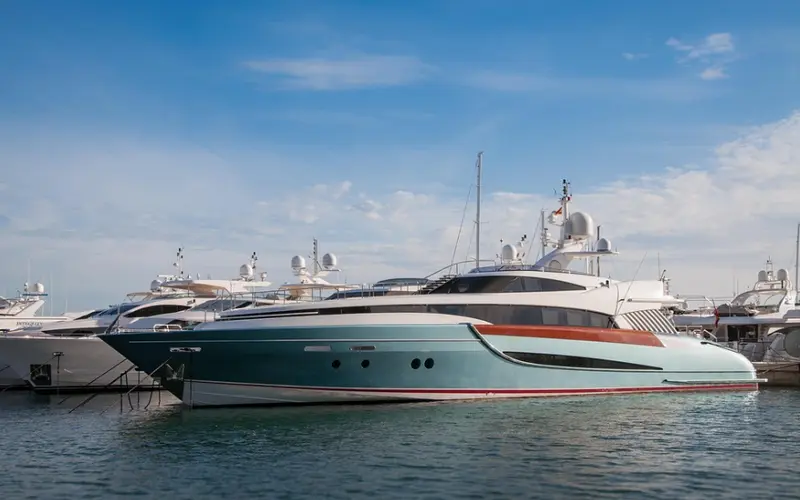
Prices of Used Boats by Size
When selecting a used boat, size is a key factor that influences both price and suitability for different users. Boats of different sizes not only vary significantly in price but are also suited for different uses. Understanding this information helps buyers quickly find a boat that matches their needs and budget.| Size | Typical Used Price | Best For |
|---|---|---|
| Under 25 ft | $10,000–$80,000 | Entry-level boating |
| 25–40 ft | $80,000–$500,000 | Family cruising |
| 40–60 ft | $400,000–$2M+ | Motor yacht buyers |
| 60 ft+ | $1M–$30M+ | Luxury yacht buyers |
With a price list organized by size, boat buyers can quickly get a sense of market reference prices and select the right boat model based on their budget and needs, thereby avoiding impulsive purchases or overspending.
Maintenance, Insurance, and Berthing Costs for Used Ships
Maintenance is the most easily overlooked component of the cost of owning a pre-owned boat. Annual maintenance costs typically account for 10% to 15% of the boat’s purchase price, and can be even higher for larger vessels.
Maintenance costs primarily consist of the following categories:
- Engine and propulsion system maintenance
- Hull Maintenance
- Electrical and Electronic System Maintenance
- Insurance and Mooring Fees
I once assisted a client in maintaining a 42-foot powerboat. The annual routine maintenance costs were approximately $8,500. When combined with port mooring and insurance, the total ownership costs amounted to about 9% of the vessel’s purchase price. Careful planning of the maintenance budget can significantly reduce the risk of unexpected expenses.
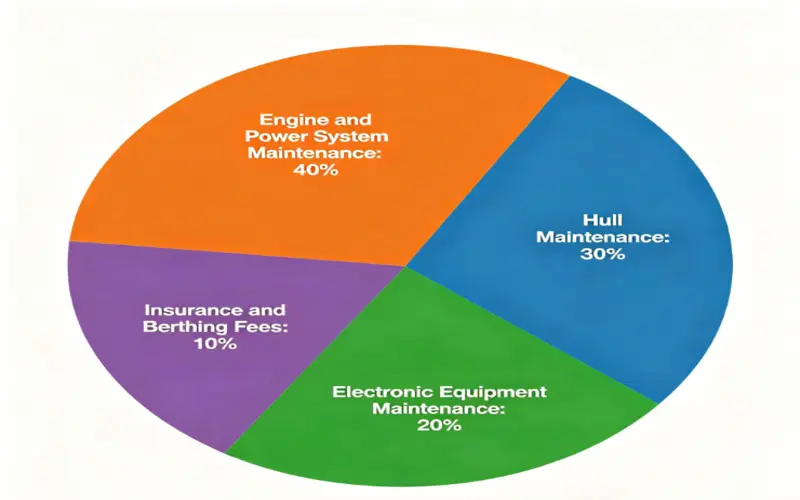
Routine Maintenance Costs
When purchasing a used boat, many boat owners tend to underestimate the annual maintenance costs. In addition to the purchase price, engine maintenance, hull maintenance, and electronic equipment maintenance are all significant components of ongoing expenses. Actual costs vary depending on the brand and price of the used boat; reference costs are shown in the table below:
| Item | Average Annual Cost (USD) | Description |
|---|---|---|
| Engine Maintenance | $3,000 - $10,000 | Includes oil changes, filter replacements, and propulsion system inspections |
| Hull Maintenance | $2,000 - $7,000 | Anti-fouling paint, polishing, and minor scratch repair |
| Electronics | $500 - $2,000 | Maintenance of navigation, radar, and AIS systems |
The annual cost range reflects market averages: engine maintenance is relatively expensive because it involves core mechanical components, while hull and electronic equipment maintenance costs vary depending on the boat model, materials, and frequency of use. As a seasoned yacht consultant, I recommend that boat owners calculate their annual maintenance budget in advance before purchasing a boat and adjust it flexibly based on their usage plans to avoid unexpected expenses that could impact their sailing experience and financial arrangements.
Annual Insurance and Mooring Costs
In addition to the purchase price and routine maintenance, insurance and mooring fees are significant components of the annual ownership costs for pre-owned yachts. Insurance premiums typically range from $1,800 to $10,000 per year, depending on the vessel’s size, operating waters, and coverage scope. For example, insurance costs for small sailboats and inshore motorboats are relatively low, while premiums for high-end flybridge yachts or vessels engaged in long-distance cruising rise significantly.
Mooring costs also vary widely, ranging from approximately $5,000 to $20,000 per year, depending on the vessel’s size, port location, facility standards, and whether a dedicated berth is required. Fees are generally higher in popular coastal cities or at high-end marinas, while smaller ports or marinas on the outskirts of cities tend to be more economical.
Hidden Costs Buyers Often Miss
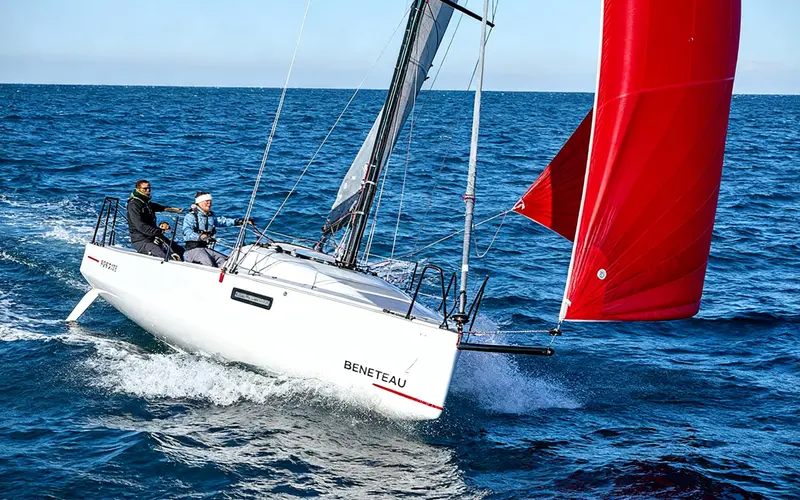
Hidden costs associated with used boats are often overlooked, yet they can have a significant impact on annual ownership costs. These costs include:
• Emergency repairs and parts replacement: Sudden failures of engines, propellers, rudders, or electronic equipment require immediate attention, with costs ranging from thousands to tens of thousands of dollars.
• Seasonal antifreeze/storm-proofing: In cold or typhoon-prone regions, boats require advance antifreeze treatment, storm-proofing, and reinforcement.
• Long-distance cruising fuel and port fees: Long-distance voyages not only incur fuel costs but also involve additional port berthing fees, customs clearance fees, and other expenses.
When purchasing a used boat, it is prudent to set aside 10%–15% of the budget for unexpected expenses. I once assisted a client with an emergency engine replacement that cost approximately $12,000; however, because funds had been budgeted in advance, the financial adjustment was seamless and did not disrupt the sailing schedule. I recommend that boat owners establish an emergency fund in conjunction with their annual maintenance plan and regularly inspect the vessel’s vulnerable components.
To compare a lower purchase price with possible refit and running expenses, plan the total cost of buying and owning a used yacht over your intended ownership period.
Used Boat Prices by Budget
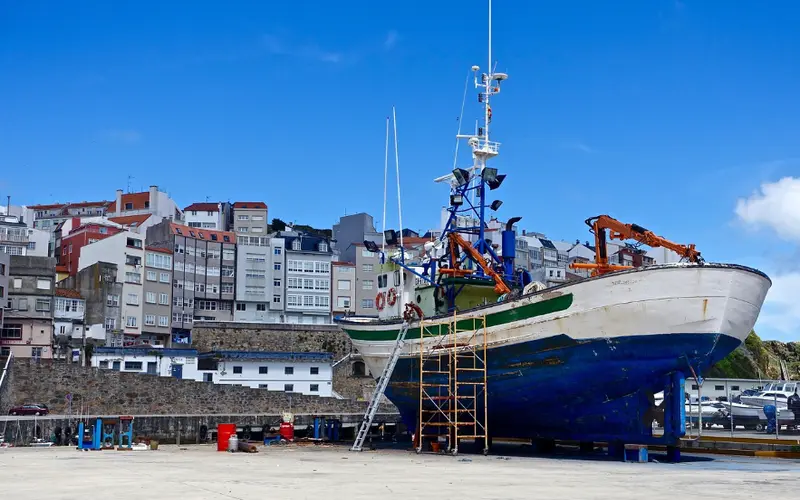
When selecting a used boat, budget is the most direct factor for buyers to consider. Different budget ranges correspond to different types of boats. Understanding the relationship between budget and boat type helps buyers quickly identify suitable options and plan their spending effectively.
| Budget | What You Can Usually Buy |
|---|---|
| Under $100,000 | Small sailboats, older day boats |
| $100,000–$500,000 | Mid-size cruisers, older motor yachts |
| $500,000–$1M | Better-condition motor yachts |
| $1M+ | Flybridge yachts, luxury yachts, newer models |
Using the price list organized by budget, boat buyers can quickly match their financial situation with their vessel requirements, thereby efficiently filtering suitable used boats and avoiding overspending or selecting unsuitable models.
How to Choose the Best Value in a Used Boat?
When selecting a used boat, the most important factor is striking a balance between price, user experience, maintenance costs, and future resale value. Simply chasing the lowest price can easily lead to high repair costs and unexpected expenses, while focusing solely on brand and age may quickly drain your budget. A high-value used boat should be evaluated by considering the vessel’s age, condition, model, and usage history, as well as the owner’s specific needs and sailing plans, to avoid falling into the trap of “buying low but paying high to maintain.”
Additionally, pay attention to the following aspects:
Age and Usage History: Older vessels may require more maintenance, while boats that have been involved in major accidents or left idle for extended periods may harbor hidden repair risks. Reviewing complete maintenance and sailing records can help assess potential costs.
Hull and Mechanical Condition: Regularly inspect the hull for cracks, corrosion, or leaks, and check the operational status of the engine and propulsion system, as well as the functionality of electronic equipment. If necessary, hire a professional surveyor for a comprehensive assessment.
Intended Use and Plans: Select a suitable boat model based on your planned sailing areas and frequency of use. For example, offshore cruising requires a more stable propulsion system and robust safety features, while recreational inshore sailing may prioritize comfort and ease of maintenance.
Long-Term Ownership Costs: In addition to the purchase price, estimate annual expenses such as maintenance, insurance, mooring fees, and fuel. Vessel types with lower overall costs and easier maintenance are typically better suited for owners with limited budgets.
Future Resale Value: Choosing well-known brands, popular models, or rare variants can yield higher returns when reselling in the future. Avoid blindly chasing short-term low prices at the expense of resale value.
In summary, purchasing a used boat is not merely a decision based on price, but a comprehensive evaluation of the user experience, ease of maintenance, and long-term costs. Only through rational selection and scientific assessment can you ensure that you “buy the right boat, use it with confidence, and maintain it within your budget.”
Balancing Vessel Age, Condition, and Price
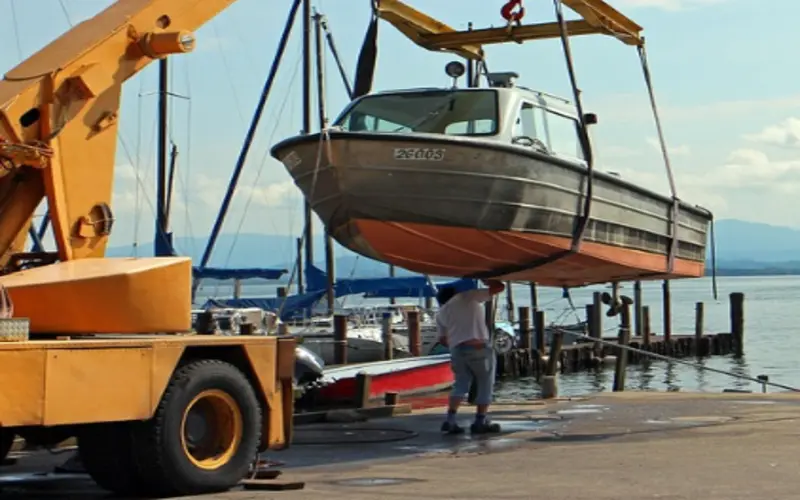
When selecting a used vessel, age and condition are key factors in determining value for money. The following points will help you evaluate these factors more systematically:
Vessel Age Affects Price and Depreciation
- The younger the vessel, the higher the price tends to be, as the hull structure, propulsion system, and electronic equipment are closer to new condition.
- Depreciation typically ranges from 5% to 7% per year, though this depends on maintenance history and frequency of use.
- While boats that have been idle for long periods may be cheaper, they carry risks such as insufficient engine lubrication, aging hull adhesives, or faulty electronics.
Frequency of Use and Maintenance Records
- Boats that are frequently used and well-maintained often offer better overall value than low-priced boats that have been idle for extended periods.
- Paying attention to engine overhaul records, hull polishing, antifouling maintenance, and electronic upgrades can help effectively estimate future maintenance costs.
I once assisted a client in selecting an 8-year-old powerboat. The seller provided complete maintenance records, the hull had no accident history, and the engine had just undergone a major overhaul. Within two years of purchase, the client’s annual maintenance costs were only $6,500, and the boat’s performance and reliability surpassed those of similarly priced, lower-cost boats.
Impact on Insurance Premiums and Mooring Fees
- Insurance companies typically offer more favorable premiums for newer or well-maintained boats.
- A boat in good condition reduces the risk of damage while moored, saving on unexpected repairs and additional costs.
Comprehensive Cost-Benefit Analysis
- When purchasing a boat, do not focus solely on the listed price; instead, conduct a comprehensive evaluation that considers the boat’s age, usage history, maintenance records, insurance premiums, and mooring fees.
- It is recommended to calculate an annual maintenance budget in advance and set aside 10%–15% for unexpected expenses to ensure optimal long-term value for money.
Best Used Yacht Brands to Consider
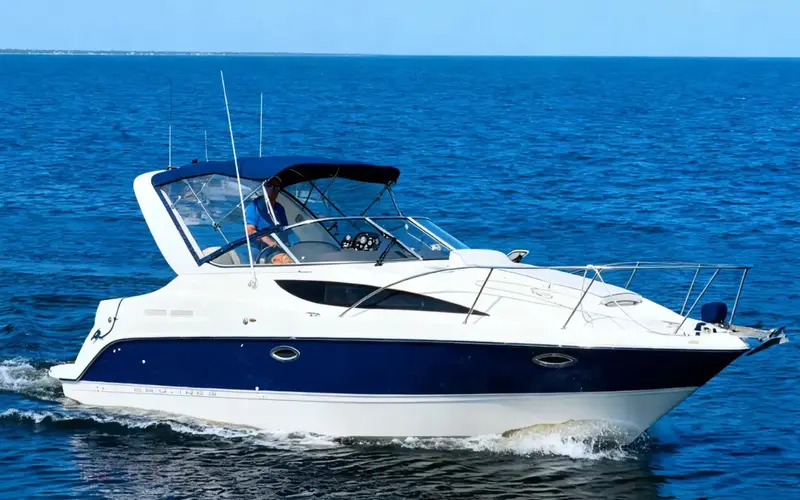
As a yacht market consultant, I have handled numerous pre-owned yacht transactions involving major brands and understand that brand selection directly impacts the yacht’s user experience, maintenance costs, and resale value. Below is a detailed analysis of five popular brands to help you quickly find a cost-effective pre-owned yacht that meets your needs.
Yacht Brand: Princess
Recommended Models: Mid-to-large-sized flybridge yachts, powerboats, and sailboats
Features: Solid and reliable hull construction, mature and stable engine tuning, a comprehensive global after-sales service network, ample supply of spare parts, and high convenience for maintenance and repairs on pre-owned vessels.
👉 Recommendation:

Princess 62 Flybridge
- Build Year2013
- Length62 ft
- Cabins5
- Top speed31 kn
- TypeFlybridge yacht
The Princess 62 Fly yacht is a highly cost-effective second-hand yacht of Princess's classic model. It has elegant style and inherits the century-old British royal craftsmanship. The interior decoration is full of British aristocratic style. The interior panel is made of piano high-gloss paint, with a silky touch, which is durable and resistant to wear.
Ideal for: Multi-day family leisure cruises, high-end business hospitality, and long-distance cruising across seas
Resale Value: As a top-tier international luxury brand, prices in the used market remain consistently strong. Even after years of use, these boats retain high market recognition upon resale, offering outstanding long-term holding value.
Yacht Brand: Sunseeker
Recommended Models: Flybridge yachts, long-range cruisers, motorboats
Features: Equipped with high-displacement, high-performance propulsion systems, these yachts offer fast speeds and ample power. Their interiors are luxurious and comfortable, striking a balance between performance and quality. Sunseeker is one of the benchmark brands in the high-end yacht market.
👉 Recommendation:
Sunseeker 95
- Build Year2018
- Length92 ft
- Cabins4
- Top speed26 kn
- TypeFlybridge yacht
The Sunseeker 95 is a luxury flybridge yacht in its approximately 28-meter class, positioned as an "entry-level superyacht." With a core British design style, it combines the high-speed performance and stability of a deep-V hull with maximized space through an innovative main deck layout (master cabin above).
Ideal for: Long-distance transoceanic cruising, high-end private social gatherings, and business leisure experiences at sea
Resale Value: With extremely high brand recognition and market acceptance, these yachts enjoy strong liquidity in the pre-owned market. Popular models consistently rank among the top in terms of resale value, offering strong bargaining power when reselling.
Yacht Brand: Sea Ray
Recommended Models: Mid-to-large-sized powerboats, flybridge yachts
Features: Excellent handling, low learning curve, hull design tailored to coastal leisure cruising, flexible and easy to operate, moderate maintenance requirements—a popular family yacht brand in the North American market.
👉 Recommendation:
SEA RAY 500 SUNDANCER MK4
- Build Year2010
- Length50 ft
- Cabins2
- Top speed33 kn
- TypeSport yacht
This exceptionally well-maintained Sundancer 500, powered by Twin Cummins 550s with Zeus Pods and Joystick and only 592 hours, represents a rare opportunity to acquire a vessel that has been cared for with no spared effort or expense.
Ideal Scenarios: Family weekend coastal outings, short-distance leisure cruises, and water sports
Resale Value: With a large market presence, well-maintained used boats command stable resale prices. Parts are widely available, and ongoing maintenance costs are manageable, making it a reliable choice for beginners.
Yacht Brand: Beneteau
Recommended Models: Various types of sailboats, small to medium-sized motorboats
Features: With a sturdy and durable hull structure, excellent sailing performance, strong resistance to wind and waves, and a reliable propulsion system, Beneteau is a brand widely recognized and trusted by sailing enthusiasts worldwide.
👉 Recommendation:
1985 Beneteau First 29
- Build Year1985
- Length29.67 ft
- Cabins2
- Top speed8 kn
- TypeMonohull sailboat
The Beneteau First 29 is a classic French-designed cruising and racing sailboat, one of the early representatives of the First series. Designed by Jean Berret, it balances racing performance with basic comfort, featuring a relatively lightweight hull and a spacious deck layout, making it a very well-rounded mid-sized sailboat choice in the 1980s.
Ideal Scenarios: Professional sailing for enthusiasts, short-to-medium-range island-hopping cruises, family sailing experiences
Resale Value: The brand enjoys a stable reputation within the sailing community and high recognition in the used sailboat market. Popular models have good liquidity, and long-term ownership is unlikely to result in significant depreciation.
Yacht Brand: Jeanneau
Recommended Models: Leisure sailboats, mid-sized motorboats, family cruisers
Features: Lightweight and durable hull design; agile and easy-to-handle; interior layout tailored to family needs; balances comfort and practicality; suitable for sailing enthusiasts of all skill levels.
👉 Recommendation:
Jeanneau Cap Camarat 10-5 WA
- Build Year2022
- Length34 ft
- Cabins1
- Top speed40 kn
- TypePower yacht
The Jeanneau Cap Camarat 10.5 WA is a high-performance twin-engine speedboat designed for both comfort and functionality, making it ideal for family leisure and extended cruising.
Ideal Scenarios: Daily recreational sailing, family water activities, short- to medium-range coastal cruising
Resale Value: With mature craftsmanship, these boats offer strong reliability for long-term ownership. A large market presence ensures a stable supply of parts, making them an ideal choice for both novice and intermediate boat owners.
Should You Consider Buying a Lower-Priced Used Boat?
When purchasing a used boat, a low price doesn’t always mean you’re getting a good deal. Even if the price is low, factors such as excessive engine hours, incomplete maintenance records, structural repairs to the hull, outdated electronics, or difficulty reselling the boat can all reduce its value for money. Understanding these potential risks can help you avoid incurring high maintenance and upgrade costs simply because you were tempted by a low price.
| Risk Factor | Potential Impact |
|---|---|
| High engine hours | Increased failure rate, shortened service life |
| Incomplete maintenance records | Cannot assess maintenance status; high potential repair risks |
| Hull structural repairs | May compromise safety and reduce resale value |
| Outdated electronics | Deteriorated navigation and entertainment system performance; upgrades required |
| Poor resale liquidity | Difficult to sell in the future; significant depreciation possible |
When purchasing a used vessel, it is advisable to weigh both price and condition carefully. Prioritize vessels with complete maintenance records and sound structural and propulsion systems to avoid incurring additional future expenses and repair burdens simply because of a low price.
Conclusion
Purchasing a pre-owned boat is not just an investment; it is a lifestyle decision made with a long-term perspective. When considering the purchase cost, it is essential to take into account the boat’s age, brand, model, and market conditions—looking beyond the price tag to analyze its future resale value. For example, while boats from top-tier brands such as Princess, Sunseeker, and Sea Ray may require a slightly higher initial investment, their reliable construction and stable propulsion systems ensure a superior long-term ownership experience and greater resale value. Vessels that are relatively new and have complete maintenance records are generally a better investment, whereas boats that have been idle for long periods or are offered at low prices may harbor hidden repair risks.
By combining market data, vessel age, brand, model, and annual maintenance plans—and consulting with professional advisors—owners can secure a pre-owned yacht that offers the best value for money while ensuring safe and comfortable cruising experiences. 👉 Contact a broker for a quote.
Disclaimer
The content of this article is for reference only and does not constitute investment advice. This article has not received sponsorship from any shipyard, financial institution, or brand; the author has not participated in any brokerage transactions involving the vessels mentioned herein. Yacht specifications are based on publicly available information as of 2026. Actual prices may vary depending on region and market fluctuations. Actual configurations are subject to classification society certificates. Before purchasing, be sure to hire an independent surveyor (unaffiliated with the seller) to conduct a sea trial and verify the certificates. Neither the author nor this platform shall be liable for any losses resulting from reliance on the information provided herein. Regulations and fees are subject to change; please ensure you check the latest requirements.
About the Author
Andrew Rogers is an experienced yacht broker whose extensive industry background provides him with unique insights into deep-sea fishing operations and vessel configuration. Through professional service and in-depth market analysis, Andrew assists clients in making informed vessel selection decisions.
FAQ
Q1: What is the average price of a used boat?
A: The average price of a used boat ranges from approximately $15,000 to $1,500,000, depending on the model and brand.
Q2: Is it more cost-effective to buy a used boat or a new one?
A: Used boats are generally more cost-effective than new ones, but new boats offer greater peace of mind in terms of warranties and maintenance.
Q3: How much do used yachts cost?
A: Used yacht prices range from $15,000 for a sailboat to over $1,000,000 for a large flybridge yacht.
Q4: What are the annual costs of owning a used boat?
A: The annual cost of owning a used boat is approximately 6%–12% of the boat’s purchase price.
Q5: Which used boat brands hold their value best?
A: Princess, Sunseeker, Sea Ray, Beneteau, and Jeanneau hold their value best.
Q6: Should I hire a surveyor before buying a used boat?
A: It is best to hire a professional surveyor to inspect the boat before purchasing a used one.
Q7: Which used boat is best for beginners?
A: Beginners are best suited for 30–40-foot mid-sized motorboats or small sailboats.