If you are looking for a superyacht for sale but are still unsure whether it is right for you, you can assess your suitability based on three criteria: whether you have a clear use case, whether you can commit to regular use, and whether you can afford the long-term running costs. If you meet these three criteria, you have the basic requirements to enter the superyacht market.
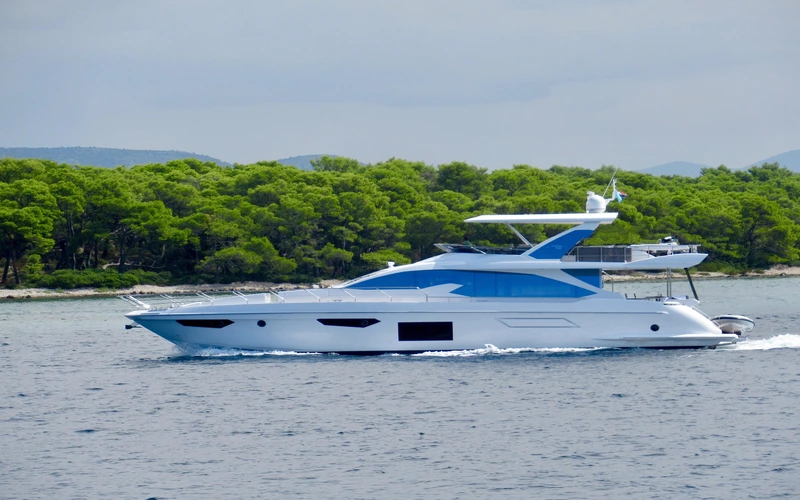
Different use cases determine your purchasing strategy
The crux of buying a superyacht lies not in ‘what yacht to buy’, but in ‘how you intend to use it’. Different usage scenarios will directly influence your choice of hull type, size, and whether to opt for a new or used superyacht.
If your primary purpose is family holidays, the focus should be on spatial layout and comfort, such as multi-cabin designs, open-plan saloons, and ample outdoor activity areas. Such requirements are typically best suited to flybridge yachts or catamarans.
If you plan to undertake long-distance cruising or cross-regional voyages, you must prioritise range, hull stability and storage space; Explorer yachts are more suitable, and buyers in this category often prefer new superyachts to minimise the risk of breakdowns.
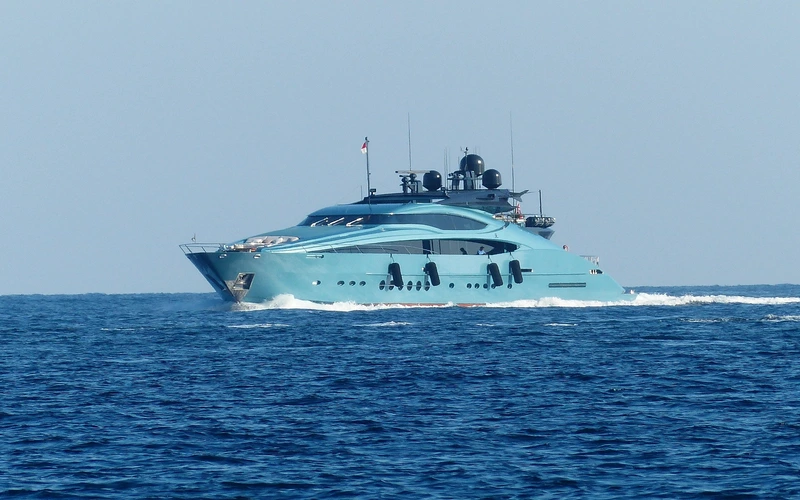
For business hospitality and social engagements, the yacht functions more as a ‘mobile luxury club’; brand, exterior design and communal spaces (such as flybridge bars and deck dining areas) become key considerations.
If, however, your objective is investment or charter operations, you should prioritise brands with high market acceptance, such as Beneteau, and opt for used superyachts with greater liquidity to reduce the initial outlay and enhance rental returns.
Clearly defining your intended use is key to avoiding ‘mismatched usage’ later on.
How to choose the right type of superyacht?
In the superyacht market, different types represent entirely distinct sailing experiences and lifestyles. The essence of the choice lies in striking a balance between ‘space, speed, stability and usage’.
| Yacht Type | Key Features | Advantages | Limitations | Suitable Audience |
| Flybridge Yacht | Multi-level decks + flybridge space | Excellent social experience, panoramic views | Significant wind resistance | Families and social users |
| Sport Yacht | Streamlined design, high speed | Dynamic appearance, fast | Limited space | Younger buyers, short-haul use |
| Explorer | Reinforced structure + long range | Suitable for ocean-going voyages, high stability | Higher cost | Global cruising enthusiasts |
| Catamaran | Twin-hull structure | Extremely high stability, more space | Stricter mooring requirements | Long-term family living |
| Cruiser | Emphasis on range and comfort | High fuel efficiency | Slower speed | Extended cruising |
For first-time buyers, if there is no specific need for ocean-going capability, a flybridge yacht is usually the safest choice; however, when it comes to long-distance voyages or long-term living, an Explorer or catamaran design will offer greater advantages.
Guide to Choosing the Right Size
Selecting the right size for a superyacht is one of the most critical—and most prone to ‘decision errors’—aspects for first-time buyers. Many buyers initially tend to opt for larger models, but in practice discover that as size increases, not only does space expand, but operational complexity and long-term costs also rise exponentially.
Essentially, a yacht’s size determines three key factors: usage patterns, reliance on crew, and the structure of long-term holding costs. Therefore, a sensible choice of size must be based on your actual usage requirements, rather than mere visual preference.
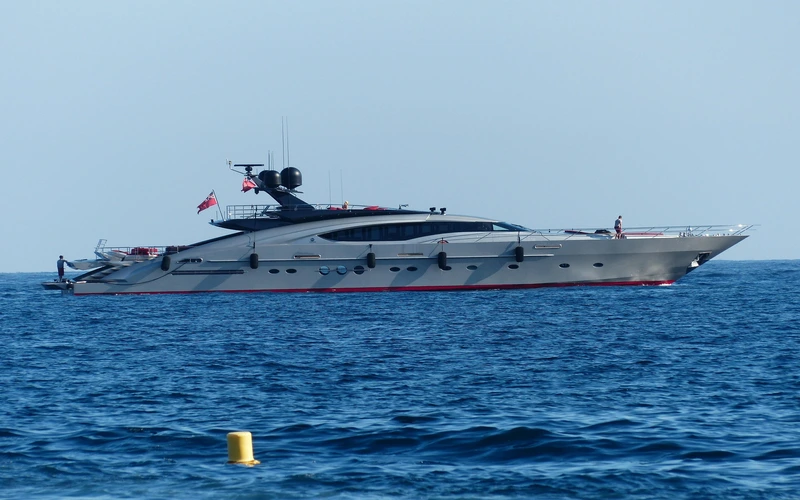
For first-time buyers entering the market, the 24–30-metre range is the most common ‘safe starting point’. Yachts in this category already offer a complete superyacht experience, including separate guest cabins, an indoor saloon, outdoor decks and basic entertainment facilities, whilst remaining relatively manageable to operate; in some cases, a minimal crew complement may even suffice.
When the size enters the 30–50-metre range, the yacht’s attributes are significantly upgraded. Such yachts are typically regarded as ‘floating villa-class assets’; not only do they offer more space, but they also support extended cruising and more complex social engagements. However, this also implies a reliance on a full crew and a higher-level maintenance system.
Superyachts measuring 50 metres or more, however, enter the realm of complete customisation and are typically used for global cruising, corporate hospitality or ultra-luxury lifestyle requirements. Yachts in this category are no longer merely a means of transport, but rather a lifestyle platform on a par with a major asset.
Size Comparison Table:
| Size Range | Intended Use | Crew Requirements | Annual Operating Costs | Suitable for |
| 24–30 metres | Entry-level superyachts | Small crew or light management | Relatively manageable | First-time buyers |
| 30–50 metres | Mainstream luxury yachts | Standard crew complement | Medium to high costs | Experienced owners |
| 50 metres and above | Bespoke flagship yachts | Full professional crew | Extremely high costs | High-net-worth corporations/seasoned owners |
Based on practical experience of purchasing yachts, a crucial criterion is whether you are prepared to embrace a ‘crew-dependent lifestyle’. If you do not wish to rely excessively on a management team, yachts under 30 metres are generally the most sensible choice.
Budget Recommendations
Budget planning for a superyacht is, in essence, not a one-off purchase but a long-term asset management issue. A point often underestimated by first-time buyers is that the purchase price represents only a fraction of the total cost; the real financial burden lies in the ongoing operating costs.
Industry experience generally indicates that the annual operating costs for a superyacht typically amount to 8%–12% of the purchase price, though this proportion increases with usage frequency and vessel size. Particularly for larger yachts or owners who use their vessels frequently, actual costs may be significantly higher than the average.
In terms of purchase price, yachts can be broadly categorised into three main brackets:
Yacht Price Structure:
| Category | Price Range | Features | Suitable for |
| Entry-level | $3 million–$10 million | Fully equipped, compact size | First-time buyers |
| Mid-range | $10 million–$50 million | Balance of space and performance | Mainstream high-end users |
| Bespoke | $50 million and above | Fully customised, flagship experience | Seasoned yacht owners |
However, the key focus should be on the annual operating cost structure, as this determines whether you can retain ownership of the yacht in the long term.
Annual Operating Cost Structure:
| Cost Category | Percentage Range | Description |
| Crew Costs | 25%–35% | Captain, engineer, service team |
| Berthing fees | 15%–25% | Significant variation depending on port grade |
| Maintenance and servicing | 15%–20% | Engine and system maintenance |
| Fuel costs | 10%–20% | Directly related to distance travelled |
| Insurance and other | 10%–15% | Regulatory and risk coverage |
When choosing between a new superyacht and a used superyacht, the budget structure will also differ significantly:
• New superyacht: Higher initial costs, but newer equipment, lower failure rates, and more predictable long-term maintenance
• Used Super Yachts: Lower purchase cost, but potential hidden repair and upgrade costs
Furthermore, it is important to bear in mind a key financial principle: a yacht is not a one-off asset, but a continuously depreciating asset. Therefore, a more prudent budgeting strategy is to set aside at least 2–3 years’ worth of operating costs as working capital, in addition to the purchase price, to ensure stable cash flow.
Popular Superyacht Brands and Models
The choice of brand and specific model directly determines your user experience, ease of maintenance and future resale value. For first-time buyers, prioritising established brands and models with high market recognition is key to minimising risk.
Here are the hot models to watch out for in 2025–2026:
👉 See Sunreef 65M Sunreef Explorer

2026 Sunreef 65M Sunreef Explorer
- Length213.25 ft
- Cabins7
- Top speed18 kn
- TypeSuper yacht
The Sunreef 65M Explorer sets a new standard in luxury catamarans with its expansive design, advanced engineering, and unparalleled comfort. It’s a top choice for those seeking both adventure and indulgence on the high seas.
As a quintessential expedition superyacht, this model emphasises ocean-going capabilities and a high-end living experience, offering exceptional range and stability. It is ideal for buyers planning transoceanic voyages or extended life at sea.
👉 See Azimut Seadeck 6 for sale
2025 Azimut Seadeck 6
- Length60 ft
- Cabins3
- Top speed27.50 kn
- TypeSuper yacht
The 2025 Azimut Seadeck 6 redefines luxury yachting with its innovative design and eco-friendly features, offering unmatched performance and style.
This model represents the trend towards a new generation of eco-friendly yachts, incorporating energy-efficient design and modern technological features. It excels in reducing fuel consumption and operating costs, making it ideal for users who prioritise sustainability.
👉 2025 Galeon 510 Sky for sale
2025 Galeon 510 Sky
- Length51 ft
- Cabins2
- TypeSuper yacht
The 2025 Galeon 510 Sky is a luxurious motor yacht with powerful engines and elegant design, perfect for both adventure and relaxation.
Renowned for its flexible layout and excellent value for money, this model enjoys high liquidity in the second-hand market and is one of the prime choices for a high-quality used superyacht, suitable for buyers with a relatively sensible budget.
👉 Browse Cranchi Settantotto 78
2026 Cranchi settantotto 78
- Length82.58 ft
- Cabins5
- Top speed30 kn
- TypeSuper yacht
The 2026 Cranchi Settantotto 78 combines luxury, performance, and advanced technology, making it a top choice for discerning yacht enthusiasts.
Measuring approximately 78 feet, this model is positioned as an entry-level superyacht, balancing a luxurious experience with ease of handling, making it an excellent choice for first-time buyers seeking their ‘first superyacht’.
These models cater to a range of needs, from entry-level to ocean-going exploration, and represent some of the most representative choices currently available on the market.
A Step-by-Step Guide to the Complete Purchase Process
Purchasing a superyacht is not a simple transaction, but a systematic process involving legal, technical and financial considerations. A complete yacht purchase cycle typically takes 3–6 months, or even longer.
Confirming Requirements and Setting a Budget
This is the most critical step in the entire process. You need to clarify your intended use (family, cruising, business, etc.), target size, budget range, and whether you are considering a new or used superyacht. If this stage is unclear, it is easy to find yourself repeatedly changing direction later on.
Market Research and Vessel Selection
Use a professional broker or platform to shortlist suitable superyachts for sale. At this stage, it is advisable to compare multiple brands and models, whilst keeping an eye on market trends, depreciation rates and resale potential.
Initial Communication and Price Negotiation
Once a target vessel has been identified, the broker will assist in communicating with the seller regarding price, equipment list and delivery terms. Preliminary price negotiations usually take place at this stage, followed by the signing of a Letter of Intent (Offer to Purchase).
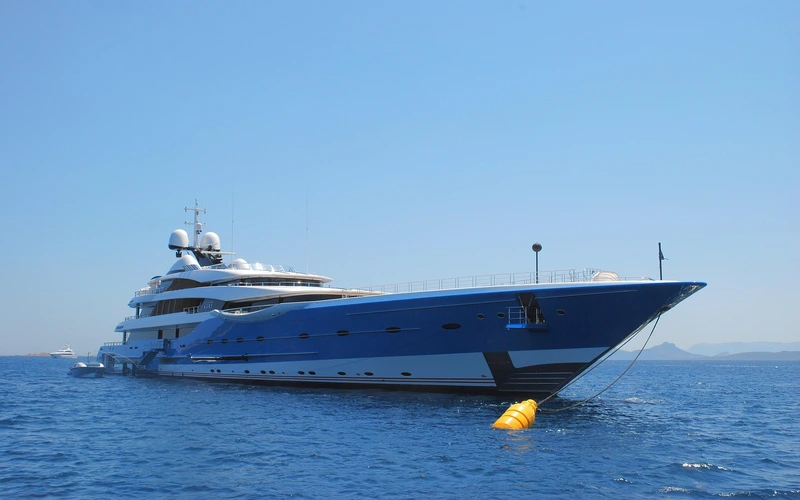
On-site Inspection and Sea Trial
This is the crucial step in determining whether a yacht is ‘right for you’. During the sea trial, key areas to focus on include:
• Sailing stability and handling performance
• Noise and vibration control
• Operational condition of equipment
• Practical experience of the living spaces
Professional Survey
It is essential to engage an independent third-party organisation to conduct a comprehensive inspection, covering the hull structure, engines, electrical systems and more. This step is central to risk management and is particularly crucial when purchasing a used superyacht.
Contract Signing and Legal Procedures
Once the survey results have been confirmed, the formal contract stage begins, covering price confirmation, payment terms, delivery dates and allocation of responsibilities. The involvement of a solicitor or specialist broker is usually required.
Delivery and Registration
Upon completion of payment, the yacht is formally delivered, and procedures such as registration and insurance are carried out. At the same time, the port of registry and management arrangements must be determined.
Crew Recruitment and Operational Management
For yachts over 30 metres, a full crew is usually required, including a captain, engineer and service staff. In addition, a long-term maintenance and management plan must be established.
Every step of this comprehensive process is crucial; any oversight at any stage may result in significant costs down the line.
Summary
Purchasing a superyacht for the first time is, by its very nature, a complex yet high-value decision-making process. The key to success lies in: focusing on intended use, making rational choices regarding size and type, planning the budget sensibly, and selecting options that align with one’s specific needs. Furthermore, prioritising established brands and models with high market recognition can significantly reduce long-term risks.
FAQ
Q1: Which type is recommended for first-time yacht buyers?
A: Flybridge yachts offer the best balance, combining space, comfort, and ease of use.
Q2: Is buying a used superyacht risky?
A: As long as a professional survey is completed, the risk is manageable, and the price advantage is significant.
Q3: Is it necessary to hire a crew?
A: Yachts over 30 meters typically require a professional crew team.
Q4: Do superyachts retain their value?
A: Premium brands and popular models hold their value better, but overall, they are still considered consumer assets.
Q5: How long does the entire purchase process take?
A: Typically, it takes 3–6 months; custom-built new yachts may take 1–2 years.