Superyacht Price Composition
The price of a superyacht is, in essence, the sum of ‘engineering + luxury + bespoke services’, rather than simply the cost of the vessel itself. For most buyers, looking solely at the list price can easily lead to a significant underestimation of the actual investment required.
Firstly, there are the hull and construction costs. This component determines the yacht’s base value and includes the hull structure, propulsion system, stabilisation systems and the overall complexity of the engineering. Costs do not increase linearly with every 10-metre increase in length; instead, there is a significant jump due to heightened structural strength requirements, system redundancy and certification standards. For example, the cost may double when moving from 30 metres to 40 metres.
Secondly, there is the interior fit-out and spatial design. A significant portion of a superyacht’s value stems from the ‘living experience’ rather than its ‘seagoing capabilities’. High-end shipyards typically collaborate with renowned design studios to completely reimagine everything from spatial flow to material selection. Marble, leather, bespoke furniture and lighting systems often account for 20–30 per cent of the total cost, or even more.
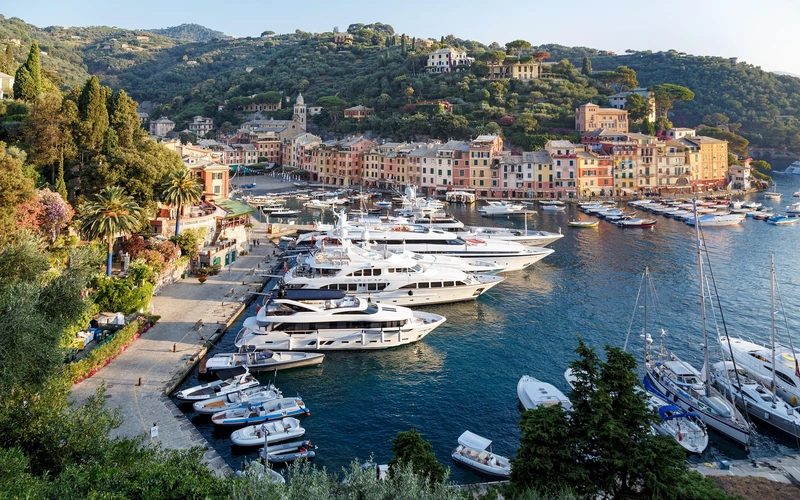
Next are technical systems and equipment. Modern superyachts are approaching the status of ‘smart buildings’, incorporating dynamic positioning systems, zero-speed stabilisers, intelligent lighting controls and cinema-grade entertainment systems. Not only are these systems expensive, but their ongoing maintenance costs are also substantial.
Finally, there are taxes and delivery costs. Different registration jurisdictions (such as EU VAT), transport, survey, registration and insurance set-up fees typically add an extra 5–15% to the total expenditure. This aspect is often overlooked by first-time buyers, yet it represents a significant portion of the actual cash flow.
Price Comparison Across Different Superyacht Sizes
In the superyacht market, ‘size’ represents more than just a change in length; it signifies a comprehensive upgrade in usage, crew systems, engineering complexity and the overall living experience. Consequently, prices do not increase linearly but exhibit a marked step-up as size increases – a yacht that is 10–20 metres longer may see its price double, or even more.
Based on 2026 market data, vessels over 30 metres generally fall within the superyacht category, whilst those over 40 metres begin to feature true ‘multi-level living spaces’ and a full crew system. As size increases, not only do construction costs rise, but operating costs also increase significantly.
The table below will help you quickly gain a clear understanding of pricing:
| Size Range | Reference Length (ft) | 2026 Price Range (USD) | Market Positioning | Typical Use Cases |
| 24–30 metres | 80–100 ft | $1M – $8M | Entry-level luxury yacht | Short-haul holidays, weekend cruising |
| 30–40 metres | 100–130 ft | $5M – $20M | Pre-superyacht | Family long-haul cruising, light crew configuration |
| 40–50 metres | 130–165 ft | $12M – $35M | Standard superyacht | Multi-level deck living, extended cruising |
| 50–70 metres | 165–230 ft | $25M – $80M | Upper-tier superyachts | Full crew complement, ocean-going voyages |
| 70–90 metres | 230–300 ft | $60M – $180M | Large superyachts | Corporate hospitality, global cruising |
| 90 metres+ | 300 ft+ | $150M – $600M+ | Mega Yachts | Bespoke Flagships, Status Symbols |
New Superyachts vs Used Superyachts
The choice between a new and a pre-owned yacht is, at its core, a balancing act between ‘time, budget and personalised requirements’.
The greatest advantage of a brand-new superyacht lies in its complete customisation. You can define the vessel from scratch, from layout to style, and from technical specifications to brand identity, all tailored to your personal requirements. However, this comes at the cost of a lengthy build time (typically 2–4 years) and the need to absorb the initial depreciation.
A used superyacht, on the other hand, represents a more ‘rational choice’. A yacht that has been in service for 3–5 years typically sees its price drop by 30–50 per cent, yet if well-maintained, its performance and experience remain very close to that of a new vessel. Furthermore, pre-owned yachts are available for immediate delivery, which is crucial for many buyers wishing to get out on the water as quickly as possible.
In this category, if you wish to enjoy a superyacht-like experience whilst keeping costs under control, the 2026 Absolute 70 Navetta is well worth considering. Its strengths lie in its exceptional use of space and outstanding stability, making it particularly well-suited for extended cruising and family use. Compared to traditional yachts of a similar size, its living comfort is closer to that of larger superyachts, making it a very astute ‘transitional choice’.
👉 View the 2026 Absolute 70 Navetta for sale

2026 Absolute 70 Navetta
- Length70 ft
- Cabins4
- Top speed26 kn
- TypeBusiness yacht
The Absolute 70 Navetta is a luxury cruising yacht from Italy’s Absolute Yachts, measuring 21.3 meters in length. It stands out with its signature panoramic glass design, flexible space layout, and excellent seakeeping performance. Combining fine Italian craftsmanship with modern comfort, it creates an unusually spacious atmosphere through intelligent layout planning.
A Detailed Breakdown of Annual Maintenance Costs
For most superyacht buyers, it is not the purchase price but the ongoing annual expenditure that truly determines the long-term financial burden. A widely accepted rule of thumb within the industry is that annual maintenance costs amount to approximately 8%–12% of the vessel’s price; however, this range serves merely as a baseline reference, as actual expenditure can fluctuate significantly depending on usage patterns and operational standards.
Structurally, maintenance costs can be divided into two main categories: “fixed expenses” and “variable expenses”. Fixed expenses are almost inevitable, whilst variable expenses depend heavily on your frequency of use and lifestyle. For example, a yacht that is moored long-term and only occasionally taken out to sea may incur fuel and maintenance costs several times lower than a yacht used intensively throughout the year.
To gain a clearer understanding of the cost structure, please refer to the breakdown of annual expenditure below:
| Cost Category | Main Components | Annual Proportion (Reference) | Notes |
| Crew Costs | Salaries and insurance for the captain, engineer and service personnel | 30%–40% | The largest fixed expense; the larger the vessel, the more crew required |
| Mooring Costs | Marina berth rental | 15%–25% | Significantly higher in popular regions (e.g. the Mediterranean) |
| Insurance Costs | Hull insurance, liability insurance | 5%–10% | Directly related to the vessel’s value and operating region |
| Maintenance and Servicing | Routine repairs, parts replacement | 10%–15% | The quality of maintenance directly affects the vessel’s value |
| Fuel Costs | Fuel consumption during voyages | 10%–20% | The higher the frequency of use, the greater the proportion |
| Living and operational costs | Catering, provisions, guest hospitality | 5%–10% | Highly dependent on usage patterns |
| Refurbishment reserve | Funds set aside for future refits | 5%–10% | Typically a major expenditure every 3–5 years |
From a practical perspective, the annual running costs for a superyacht valued at US$15 million typically range between US$1.2 million and US$1.8 million. If you opt for frequent use, hire a full crew and moor in popular ports, this figure may be even higher.
Furthermore, particular attention should be paid to ‘hidden costs’. For example, ad hoc repairs, equipment upgrades and additional fuel consumption resulting from route adjustments – these expenses are often not reflected in the initial budget, yet they are very real. Consequently, seasoned buyers usually set aside a portion of flexible funds outside their budget to cover unforeseen expenses.
Why are superyachts so expensive?
The high cost of superyachts is not simply a matter of brand premium, but rather the result of multiple factors acting in concert.
Firstly, there is ‘non-standardised production’. Unlike cars, superyachts are rarely produced on fully standardised assembly lines; each vessel is a unique project. This means that design, engineering and construction all require individual investment.
Secondly, there is the engineering complexity. Superyachts must integrate propulsion, electrical, living and safety systems within a limited space; the complexity is akin to a combination of a small building and industrial equipment.
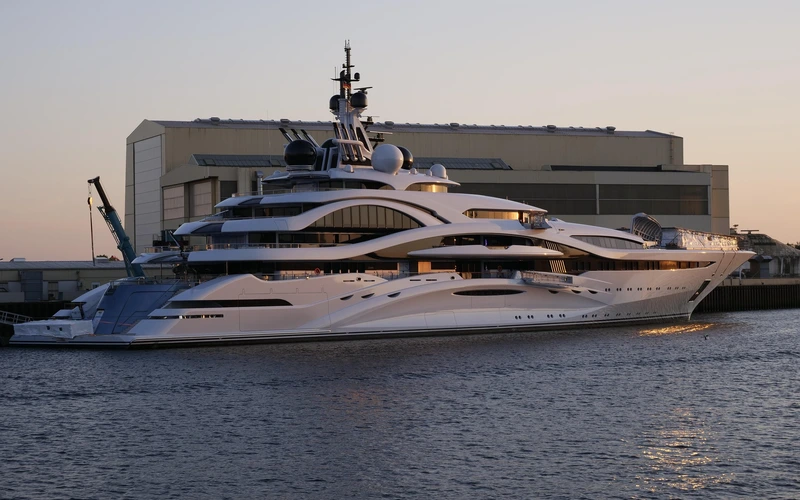
Furthermore, there are labour and craftsmanship costs. Labour costs at Europe’s top shipyards are extremely high, and many details still rely on handcrafting, which directly drives up the overall price.
If you are looking for a high-end option that balances performance with practicality, consider the 2026 Ocean Alexander 37L. This yacht is highly representative of the current market, combining the long-range capabilities of an expedition yacht with modern luxury design. It is well-suited to long-distance cruising without compromising on the living experience, making it a prime example of the ‘balance between functionality and comfort’.
Expert Buying Advice
When entering the superyacht market in 2026, ‘strategy’ is more important than a simple budget.
Firstly, clarify your intended use. If the yacht is primarily for short-haul holidays in the Mediterranean or Southeast Asia, then space and comfort should be prioritised; if you plan to sail across regions, then range, stability and backup systems must be prioritised.
Secondly, allocate your budget wisely. Many buyers overspend on the purchase price whilst overlooking subsequent running costs, which can diminish the overall experience. We recommend setting aside at least 10–15% of your budget as working capital to cover the first two years of operation.
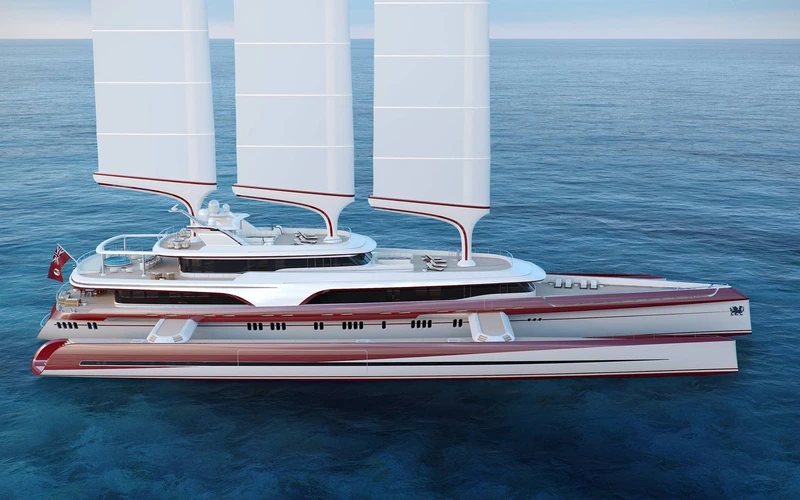
When selecting a specific model, you may wish to focus on the following two representative categories:
2026 Ocean Alexander 37: Suitable for buyers seeking long-term ownership with a desire for long-range cruising. Its design leans towards ‘exploratory luxury’, striking an excellent balance between safety and spatial layout.
👉 See 2026 Ocean Alexander 37
2026 Ocean Alexander 37L
- Length117 ft
- Cabins5
- Top speed24 kn
- TypeSuper yacht
The 2026 Ocean Alexander 37L is a top-tier motor yacht offering luxury, performance, and ample space. Its MAN V12 engines and fiberglass hull ensure a premium boating experience.
2026 Azimut Grande Magellano 25: If you prefer Italian design and an elegant lifestyle, this yacht excels in comfort, fuel efficiency and aesthetic design, making it ideal for high-end leisure cruising.
👉 See 2026 Azimut Grande Magellano 25
2026 Azimut Grande Magellano 25M
- Length83 ft
- Cabins4
- Top speed24.50 kn
- TypeSuper yacht
The 2026 Azimut Grande Magellano 25M is a luxury yacht designed for long-range performance and comfort, featuring advanced technology and elegant design.
Finally, do not overlook the second-hand market. Many high-quality yachts, having undergone initial depreciation, actually become ‘best buy’ opportunities, particularly during market fluctuations, when it is easier to find value-for-money options.
Summary
Looking at the 2026 market, superyachts are becoming increasingly diverse: there are ‘explorer’ models that prioritise long-range cruising capabilities, and ‘luxury cruiser’ models that emphasise lifestyle. What truly matters is not buying ‘the most expensive’, but buying ‘the one that best suits your lifestyle’.
FAQ
Q1: What is the minimum budget for a superyacht in 2026?
A: Entry-level superyachts typically start at US$4–5 million, but a total budget of at least US$8 million is recommended to cover operating costs.
Q2: How much does a superyacht cost annually?
A: Generally, 8%–12% of the purchase price. For example, a US$20 million yacht would incur annual costs of approximately US$1.6–2.4 million.
Q3: Is it better to buy a new or a pre-owned superyacht?
A: A new yacht is more suitable if you are seeking customisation and long-term ownership; a pre-owned yacht offers better value for money if your budget is limited or you wish to take possession quickly.
Q4: Can you make a profit through chartering?
A: It can partially cover costs, but it is rare to turn a full profit; it is more of a way to reduce holding costs.