In many jurisdictions, there is no uniform legal requirement for private recreational boats to carry insurance. However, regulations vary by country, state, marina, lender, and intended use of the vessel. Even in the absence of a mandatory requirement, boat insurance can help boat owners mitigate the financial risks associated with collisions, theft, weather-related damage, and third-party liability. For medium- to large-sized yachts or high-value vessels, purchasing appropriate insurance is typically an important part of long-term ownership cost planning.
Is Boat Insurance Required Before Purchasing a Vessel?
For prospective boat owners planning to purchase a vessel, “Is boat insurance required?” is often one of the most easily overlooked questions during the buying process. In reality, whether boat insurance is mandatory depends on the type of vessel, the method of purchase, the mooring location, and the intended use.
In most parts of the United States, there are no uniform mandatory insurance regulations for private yachts, as there are for automobiles; however, during the actual boat-purchasing process, lenders, marina operators, and some yacht clubs often require boat owners to provide proof of valid insurance.
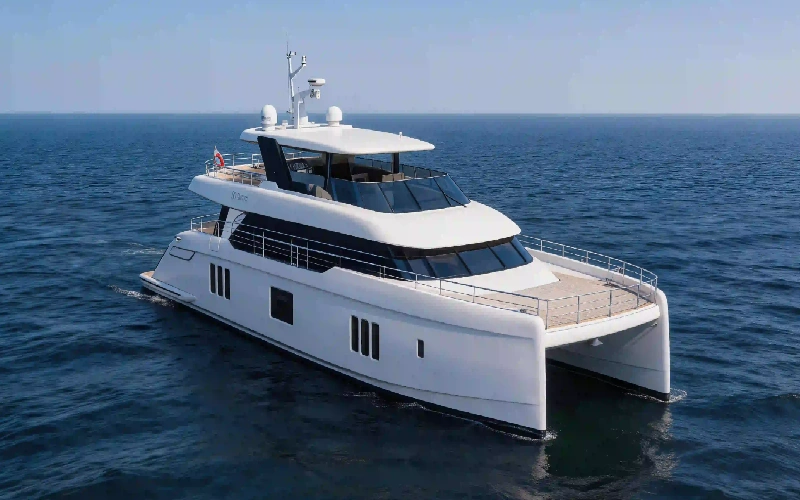
Insurance Requirements in the Boat Purchase Process
When purchasing a boat, insurance is not typically a legal prerequisite for the transaction itself, but it has become an important component in many practical aspects of the process. For example:
- Purchasing a boat with a loan from a bank or financial institution;
- Purchasing a high-value motor yacht;
- Mooring the boat at a commercial marina;
- Planning a long-term voyage at sea.
In these situations, the relevant institutions typically require the boat owner to purchase insurance in advance.
Especially in boat loan transactions, lenders generally want to ensure the collateral is protected. If the vessel sustains severe damage without insurance coverage, lenders may still face the risk of declining asset value. From the perspective of the lending industry, boat loans usually require borrowers to maintain compliant insurance coverage throughout the loan term.
In terms of the yacht purchase process, it is recommended that buyers consult an insurance company for a quote before signing the final purchase agreement. This helps avoid situations where “the yacht has already been selected, but the insurance costs exceed expectations.” This is especially true for pre-owned yachts, as factors such as the vessel’s age, engine condition, and sailing regions all influence the insurance assessment.
Why Do Dealers and Yacht Brokers Recommend Buying Insurance Before Delivery?
Many yacht dealers and brokers advise clients to finalize insurance arrangements before the transaction is completed. The main reasons include:
Avoiding a Liability Gap After Delivery
Once the vessel is delivered, the owner typically assumes control immediately. If there is no insurance at this point, the owner may be liable for any collisions, transit damage, or third-party liability risks.
To Meet Marina Management Requirements
Many high-end marinas, especially those for large yachts, require proof of insurance for moored vessels.
To Confirm Insurance Coverage in Advance
Coverage varies among insurance companies. For example:
- Whether towing services are covered;
- Whether hurricane zones are covered;
- Whether personal property is included;
- Whether cruising outside the insured navigation area navigation is supported.
When planning a yacht purchase, buyers are increasingly focused on transparency regarding the total cost of ownership. Buying a yacht is not just a one-time investment; it also involves long-term expenses such as maintenance, mooring, insurance, and fuel. Therefore, planning for insurance in advance can help yacht owners more accurately assess the true cost of ownership.
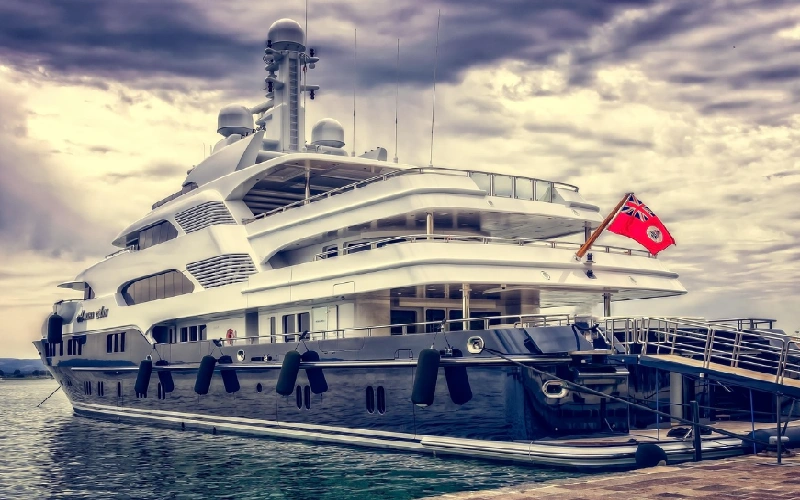
Analysis of Boat Insurance Costs: How Much Should You Budget Annually?
There is no fixed standard for boat insurance costs; they are typically calculated based on a combination of factors, including the boat’s value, size, intended use, location, and the owner’s experience.
For standard recreational boats, annual insurance premiums may represent a certain percentage of the vessel’s value; for large luxury yachts, however, risk assessments are more complex, so insurers typically provide customized quotes.
Insurance costs vary significantly depending on a yacht’s value. The table below summarizes the reference range for annual premiums for comprehensive insurance on private recreational yachts in the United States, to help prospective buyers estimate their budgets:
|
Vessel Value |
Estimated Annual Premium (Comprehensive Policy for Private Recreation Use) |
Suitable Vessel Types |
|---|---|---|
|
Under $20,000 |
$200–$600 / year |
Small recreational boats, older compact vessels |
|
$20,000–$100,000 |
$500–$1,600 / year |
Small powerboats, family leisure boats |
|
$100,000–$500,000 |
$1,800–$6,000 / year |
Cruising yachts, mid-size private yachts |
|
Over $500,000 |
Starting from $5,000–$20,000 / year |
Luxury yachts, large ocean-going yachts |
|
$500,000–$1,000,000 |
Starting from $5,000–$15,000 |
Mid-range luxury yachts, long-distance cruising yachts |
|
$1,000,000–$5,000,000 |
Custom quotes required |
Large luxury yachts, transcontinental cruising yachts |
|
Over $5,000,000 |
Requires specialized yacht insurance |
Superyachts, transoceanic ocean-going yachts |
Price Disclaimer: This table is for market reference only and applies to private yachts in the United States engaged in coastal navigation with no prior claims history; it does not constitute a formal quote. Premiums may be higher for yachts in hurricane-prone areas, those engaged in long-distance voyages, or older vessels. This table does not apply to commercially chartered yachts; the final premium is subject to the insurer’s calculation.
Additional Insurance-Related Costs Boat Owners May Overlook
Many first-time boat owners focus solely on comparing basic insurance quotes, treating the annual premium as their total insurance expense. However, during the actual underwriting and claims processes, there are several easily overlooked ancillary costs. Many people only discover these additional expenses when filing a claim or renewing their policy, which inadvertently increases the overall cost of owning a yacht. Common hidden costs include the following categories:
| Hidden Costs | Explanation |
| Higher liability limits | Higher-value yachts generally require increased liability coverage |
| Navigation area extension | Additional fees may apply for cross-regional cruising |
| Storm zone surcharge | Higher insurance premiums for hurricane-prone areas |
| Commercial-use insurance | Extra coverage is required for charter operations |
| Professional survey fee | A marine survey report may be required for some pre-owned vessels |
Differences in insurance quotes often stem from how a vessel is used, rather than from the vessel itself. For yachts of the same model, the insurance policies may be completely different depending on whether they are used for private weekend recreation or for commercial charter.
What Factors Determine the Cost of Your Boat Insurance?
Boat insurance premiums are not simply calculated based on the purchase price of the vessel; rather, insurance companies conduct a comprehensive assessment using risk models. Even if two yachts were purchased at the same price, the final insurance quotes will vary significantly if there are differences in the owner’s circumstances or the vessel’s specifications.Typically, the key factors influencing marine insurance pricing are as follows:
Vessel Value
The higher the purchase value of a vessel, the higher the costs for repairs or full compensation in the event of an accident, resulting in a corresponding increase in insurance premiums.
Age and Condition of the Vessel
Older vessels carry a higher risk of mechanical and hull deterioration, often requiring more rigorous vessel inspection and assessment during the underwriting process.
Vessel Design
High-speed, high-performance powerboats carry higher operational risks. Insurance companies apply stricter risk assessment standards, so premiums are typically higher than for conventional recreational boats.
Navigation Area
If the vessel is frequently operated in high-risk waters—such as coastal areas or regions prone to hurricanes—the probability of an incident increases, leading to higher insurance costs.
Vessel Owner’s Nautical Experience
Owners with extensive sailing experience, valid nautical training certificates, and no history of insurance claims generally qualify for more favorable premiums.
Vessel Mooring Arrangements
Mooring options include private docks, commercial marinas, and dry storage on land. Different storage environments entail varying risk control conditions, which affect premium pricing.
Intended Use of the Vessel
A distinction is made between private recreational use and commercial charter operations. The risk levels for these two scenarios differ significantly, and they are subject to entirely different insurance policies and pricing standards.
From the perspective of yacht purchase consultation, many buyers initially provide only the “yacht model and price” when requesting a quote, but insurers also consider sailing plans. Therefore, before purchasing a yacht, it is recommended to prepare the following information in advance:
- Primary sailing areas;
- Annual usage time;
- Whether sailing will involve crossing state or national borders;
- Whether the yacht will be chartered to other users.
This information will help you obtain an insurance quote that more accurately reflects your actual circumstances.
How Boat Type Affects Insurance and Ownership Cost
When selecting a yacht, insurance costs should be factored into your overall budget. While different types of boats vary in purchase price, they also differ in terms of long-term insurance and maintenance costs.
Prospective buyers should not only focus on whether they can “afford to buy” a boat, but also consider whether they can “afford to maintain it over the long term.”
Economical Boats with Lower Insurance Costs
These boats generally have moderate purchase prices and relatively manageable navigation risks, resulting in more affordable annual insurance costs. They are well-suited for those seeking low-cost recreational boating. Suitable for:
- First-time boat buyers;
- Weekend recreational use;
- Short-distance water activities.
Common Types: Small Sport Boats
For example:👉

Riva ISEO D4 300A
- Length27 ft
- Top speed40 kn
- TypeSport yacht
Named after the lake where the Riva legend began, the Iseo—this exquisite 27-foot yacht—exudes an unprecedented sense of modernity. It follows in the iconic style of Riva, featuring sleek lines and an alluring exterior, while incorporating cutting-edge technology. This marriage of tradition and innovation is undoubtedly enchanting. This magnificent creation embodies remarkable versatility and vitality. Whether used for exploring the scenic vistas of lakes or as a tender to your superyacht, the Iseo effortlessly rises to every challenge. It is also incredibly easy to transport, allowing you to enjoy its ultimate comfort and companionship wherever you desire.
Family Cruisers with Reasonable Long-Term Maintenance Costs
These boats feature comfortable passenger space and basic overnight accommodations, combined with the ability to navigate in coastal waters. They have a mature, stable hull design and highly interchangeable maintenance parts, striking a balance between the user experience and long-term ownership costs. Suitable for:
- Family weekend getaways;
- Short coastal cruises;
- Group recreational activities.
Common Types: 30–50-foot motorboats;
For example: 👉
Absolute 48 Coupe
- Length48.11 ft
- Cabins3
- Top speed28 kn
- TypePower yacht
Absolute 48 Coupe is a premium coupe motor yacht crafted by Italy’s Absolute Yachts, renowned for its sleek, dynamic exterior design, exquisite Italian craftsmanship and intimate, luxurious interior layout. Adopting a streamlined deep-V hull, it boasts excellent sailing stability, flexible maneuverability and low fuel consumption, suitable for coastal cruising and short-distance voyages. The interior is designed with a focus on comfort and privacy, featuring bright spaces, premium materials and reasonable layout, equipped with comfortable cabins, a functional salon and high-end leisure facilities.
Although insurance premiums for family cruisers are higher than those for small boats, a well-configured vessel can still maintain a favorable balance in ownership costs. When purchasing, it is recommended to focus on the boat’s age, engine maintenance records, and safety equipment configuration.
High-End Luxury Yachts Requiring Professional Coverage
These yachts carry high value, generally feature extended cruising ranges, and some are operated with professional crew, creating more complex risk scenarios. Standard insurance policies can hardly cover all demands, so customized protection plans based on navigation schedules and onboard assets are recommended. Buyers of high-value yachts tend to prioritize insurance service quality rather than price alone. Since a single repair incident for a large yacht may incur substantial costs, coverage scope and claims service become far more critical.
Do All Types of Boats Need Insurance?
Insurance requirements vary depending on the type of vessel. Whether a boat owner needs to purchase insurance is typically determined by factors such as the vessel’s value, intended use, operating area, mooring conditions, and whether there are any loan requirements. Although some private vessels may not be subject to mandatory insurance requirements, for medium- to large-sized yachts, commercially operated vessels, and high-value vessels, insurance is generally an important measure for mitigating potential financial risks. The table below helps boat owners quickly understand the differences in insurance requirements for various vessel types:
|
Vessel Type |
Insurance Requirement |
Main Risks |
Typical Insurance Coverage |
Target Users |
|
Small recreational boats (fishing boats, speedboats) |
Depends on circumstances |
Collision, equipment damage, third-party liability |
Basic liability insurance, hull damage coverage |
Users for weekend recreation and inshore activities |
|
Pontoon Boat |
Basic insurance recommended |
Collision, weather damage, passenger accidents |
Hull coverage, liability coverage |
Family recreational users |
|
Purchase recommended based on cruising range |
Weather hazards, long-distance cruising, equipment damage |
Comprehensive boat insurance, salvage coverage |
Sailing enthusiasts, long-term cruisers | |
|
Family cruiser |
Generally recommended |
Hull repairs, mechanical breakdowns, third-party claims |
Comprehensive insurance, liability insurance |
Users for family trips and coastal cruising |
|
Custom professional insurance policies usually required |
Costly repairs, collision, asset loss |
High-limit liability insurance, comprehensive yacht insurance |
High-net-worth private boat owners | |
|
Commercially operated yacht | Commercial insurance is commonly required by licensing authorities, charter agreements, marinas or applicable regulations |
Passenger safety, operational liability, commercial risks |
Commercial liability insurance, passenger coverage |
Yacht charter and sightseeing operators |
Insurance requirements and coverage for vessels vary significantly depending on the vessel’s size, intended use, and operating environment. Small recreational boats typically focus on basic liability coverage, while large private yachts and commercially operated vessels require comprehensive, high-limit, or customized insurance solutions.
Policy Provisions and Exclusions to Review Before Purchasing
Agreed Value vs. Actual Cash Value
These two terms directly determine how claims are calculated following an incident. Under Agreed Value, compensation is paid based on the amount negotiated at the time of insurance; under Actual Cash Value, depreciation of the vessel’s hull is deducted from the payout.
Named Storm Deductible
A special rule commonly used in hurricane-prone waters, where the deductible is calculated as a percentage of the vessel’s appraised value.
Navigation Limits
Policies typically specify permitted navigation areas, navigation seasons, and the maximum distance from shore; exceeding these limits may affect the validity of a claim.
Exclusions
Common exclusions include wear and tear of the hull, corrosion, gradual deterioration, mechanical failure, and unreported commercial operations.
Types of Marine Insurance Coverage Every Boat Owner Should Know
Most new boat owners focus solely on the cost of premiums without understanding the actual scope of coverage offered by different types of marine insurance. Different insurance policies address different maritime risks; selecting the right type of coverage is essential for effectively mitigating risks based on the vessel’s type, intended use, and operating conditions.
Liability Insurance: Protection Against Third-Party Loss Risks
Liability insurance is the foundation of marine insurance, primarily covering losses caused to others, including vessel collisions, damage to dock facilities, personal injury, and related legal compensation costs. This policy does not cover damage to the vessel’s own hull and is suitable for all boat owners—especially those with medium- to large-sized yachts and vessels that frequently dock at public marinas—as it effectively mitigates the risk of high third-party liability claims.
Comprehensive Coverage: Hull and Physical Damage Coverage
Comprehensive coverage protects against losses to the vessel itself, covering scenarios such as collisions, fire, lightning strikes, storms, theft, and damage to onboard equipment. Since medium- and large-sized yachts and cruisers have high equipment and maintenance costs, purchasing comprehensive coverage can significantly reduce unexpected repair expenses. When purchasing this coverage, pay attention to restrictions on navigation areas, age-of-vessel clauses, the scope of equipment coverage, and compensation standards.
Emergency Assistance: Mitigating Unforeseen Risks at Sea
Navigating at sea often involves unexpected situations such as mechanical breakdowns, running out of fuel, and severe weather. Emergency assistance includes services such as marine towing, emergency repairs, and distress assistance. While the need for this coverage is relatively low for small boats on short, coastal trips, it is essential for long-distance cruising, inter-island voyages, and large yachts, as it helps avoid high additional costs resulting from a lack of timely assistance.
Personal Property Coverage: Protecting Items on Board
This coverage specifically protects personal belongings and equipment on board, including fishing gear, electronic devices, sports equipment, and onboard living supplies. It is suitable for cruising yacht owners who sail frequently or spend extended periods on board. High-value equipment typically requires separate declaration to avoid claim limitations.
Commercial Marine Insurance: Addressing Operation-Related Risks
Private yacht insurance does not cover commercial operations. Yachts used for charter, passenger sightseeing, or commercial operations must purchase commercial marine insurance, which specifically covers passenger safety, operational liability, and commercial risks. This is an essential policy for operational vessels.
Comparison of Different Types of Yacht Insurance Coverage
Liability insurance covers third-party bodily injury, property damage, and legal liability, and is suitable for all vessels. Comprehensive insurance focuses on hull, equipment, natural disasters, and theft or robbery losses, making it more suitable for medium- to large-sized yachts. Emergency rescue coverage provides marine towing and emergency services, suitable for cruising boats and long-distance vessels. Personal property coverage protects onboard equipment and personal belongings, suitable for users who go out to sea frequently. Commercial insurance addresses operational risks and is only applicable to commercial yachts used for chartering or sightseeing.
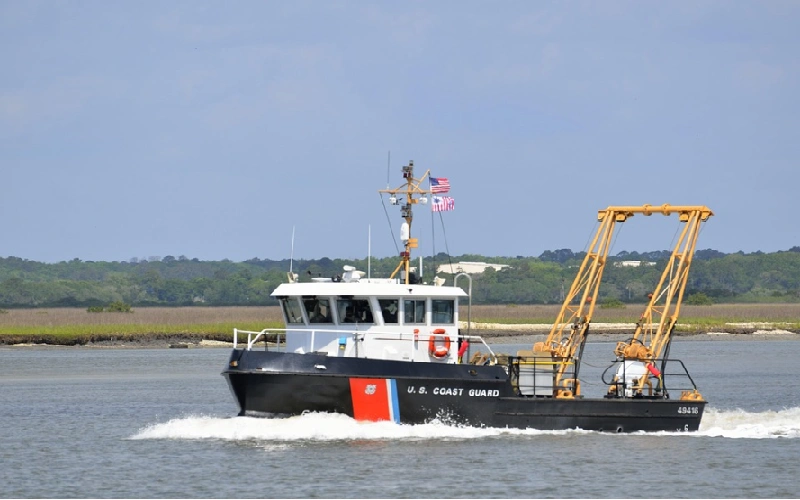
How to Reduce Yacht Insurance Costs While Maintaining Adequate Coverage?
Yacht insurance is a significant component of the long-term ownership costs of a yacht. To reduce premiums, you should not simply cut coverage; instead, you should strike a balance between cost and coverage through risk management and optimizing your policy. Many new boat owners tend to fall into one of two extremes: either choosing the cheapest policy, which creates potential risks, or purchasing excessive coverage, resulting in wasted premiums. Insurance quotes are not determined solely by the boat’s value; the vessel’s maintenance condition and the owner’s safety management practices also influence the insurer’s risk assessment.
Enhance Safety Features to Reduce Potential Risks
Safety equipment is a key factor in insurance assessments. Equipping your yacht with GPS, AIS, alarms, anti-theft systems, fire safety, and communication devices can lower the probability of accidents and help secure more favorable premiums. High-value yachts feature intricate designs and costly repairs, making comprehensive safety features even more critical. When purchasing a pre-owned yacht, in addition to price and appearance, pay close attention to safety equipment and maintenance records, as these directly impact future insurance coverage.
Adjusting Coverage Limits and Deductibles Based on Actual Needs
Coverage limits and deductibles directly affect annual premiums. Higher coverage limits provide more comprehensive protection, but premiums rise accordingly; moderately increasing the deductible—and covering minor losses out of pocket—can help lower annual premiums. For private yachts used infrequently, the deductible may be raised as appropriate; for vessels that frequently undertake long-distance voyages or operate the vessel frequently, prioritizing adequate coverage is essential, and one should not simply pursue the lowest price. Boat owners should select a plan based on the vessel’s value and their own financial capacity to avoid facing excessive financial pressure in the event of a claim.
Maintain a Good Vessel Maintenance Record
A complete maintenance record helps secure better insurance terms. Records of engine maintenance, hull inspections, electronic equipment servicing, anti-corrosion treatments, and professional survey reports should all be properly retained. For pre-owned yachts, insurers place particular emphasis on the maintenance history. For vessels of the same age, those with a consistent maintenance record are more likely to receive favorable premium quotes. A complete record also benefits the yacht’s resale value in the future.
Undergo Formal Boating Training to Improve Safety
The boat owner’s sailing experience will be factored into the risk assessment. Systematic boating training helps participants master navigation rules, weather assessment, and emergency response skills, thereby reducing accidents caused by operational errors. Certified boating safety courses and formal operator training can be used to demonstrate boating proficiency and may also qualify boat owners for premium discounts offered by some insurance companies.
Choose an Insurance Policies Suited to Your Usage Patterns
Different usage scenarios require different types of insurance. For small boats used for short weekend trips, the focus should be on basic liability coverage; for family cruisers, it is recommended to combine hull coverage with marine rescue services; luxury yachts require high-limit liability coverage and comprehensive insurance; and commercial vessels used for charter and sightseeing must be insured under specialized commercial marine insurance. It is recommended to factor long-term expenses such as insurance, mooring, and maintenance into your budget early in the boat-purchasing process to comprehensively assess the total cost of yacht ownership.

Conclusion
Purchasing a yacht is part of long-term asset planning, and many buyers tend to overlook the impact of insurance on the overall cost of ownership. Insurance is not only an ongoing expense but also a key safeguard against unexpected risks at sea.
Prospective buyers should thoroughly understand the structure of insurance costs in advance, comprehensively assess the total cost of ownership by considering the yacht model and budget, and simultaneously verify local regulations and marina requirements. Before formally purchasing a yacht, it is recommended to obtain insurance quotes in advance, carefully review the policy’s navigation restrictions, exclusions, and deductibles, and tailor the coverage to the vessel’s actual intended use. When comparing options, do not focus solely on the premium amount; instead, scrutinize each insurance clause individually.
The key to selecting a yacht lies in aligning it with your budget, intended use, and operational capabilities. As insurance is a vital component of yacht ownership, proper planning is essential to mitigate future budgetary risks and ensure stable, worry-free navigation at sea.
If you are considering purchasing a private yacht, a family cruiser, or a high-end luxury yacht, we recommend consulting a professional yacht advisor in advance to obtain recommendations for vessel types that fit your budget and usage needs, as well as yacht purchase plans and long-term ownership cost analyses. This will help you select the ideal vessel that best suits your needs.
Disclaimer
The content of this article is intended solely for information-sharing within the yacht industry and as a reference for yacht purchasing knowledge; it does not constitute investment, purchase, or insurance advice. Yacht specifications, insurance costs, and market information cited in this article are compiled from publicly available sources. Actual prices, configurations, and policies may vary depending on region, market conditions, and usage circumstances; please refer to information provided by shipyards, insurance providers, and professional institutions.
Before purchasing a yacht or developing an insurance plan, it is recommended that you consult with professionals and conduct an independent survey of the vessel and verification of relevant information. Neither the author nor this platform assumes any liability for purchasing decisions or financial losses resulting from reliance on the information in this article. Please refer to the latest requirements for relevant regulations and fee standards.
About the Author
Andrew Rogers is a writer specializing in yacht industry research and content creation. He has long focused on global yacht market developments, hull design trends, yacht purchase costs, and information related to yacht operations. Through the analysis of industry data, publicly available information, and market case studies, Andrew is committed to helping readers gain a more comprehensive understanding of yacht purchase, maintenance, insurance, and long-term ownership costs, providing valuable industry insights and knowledge for those planning to enter the world of yachting.
FAQ
Q1: Do I still need insurance if I purchase a boat outright?
A: Even if you purchase a boat outright, it is recommended that you consider purchasing insurance based on the boat’s value, frequency of use, and sailing environment to mitigate the financial risks associated with collisions, damage, theft, and third-party liability.
Q2: Does boat insurance cover theft?
A: Some boat insurance policies typically include theft coverage, but whether compensation is provided and the scope of coverage must be confirmed based on the coverage terms in the insurance contract, the vessel’s storage method, and other relevant conditions.
Q3: Is yacht insurance more expensive than standard boat insurance?
A: Generally, yacht insurance premiums may be higher than those for standard boat insurance because yachts are more valuable, have more complex equipment, and involve relatively higher repair costs and liability risks.
Q4: What are the consequences of operating a vessel without insurance?
A: If local regulations do not mandate it, operating an uninsured vessel for personal use may not directly violate any laws; however, the vessel owner is personally liable for costs related to accident repairs, third-party compensation, and rescue operations.
Q5: Is insurance required when purchasing a vessel with a loan?
A: In most cases, lenders require boat owners to maintain valid insurance throughout the loan term to protect the value of the boat as collateral; specific requirements depend on the loan agreement.
Q6: How much does boat insurance cost per year?
A: Boat insurance premiums are typically influenced by factors such as the boat’s value, size, age, navigation area, intended use, and coverage scope. Insurance for a small boat may cost a few hundred dollars per year, while medium to large yachts may cost several thousand dollars or more.