Quick Answer:
To understand Oceanco's eco-friendly yachts, focus on innovations in propulsion systems, green materials, and energy/waste management technologies. These solutions deliver tangible benefits in energy efficiency, emissions reduction, and passenger comfort.
Oceanco is building environmentally efficient superyachts through advanced hybrid and electric propulsion, lightweight hull design, sustainable materials, and intelligent energy management—significantly reducing carbon footprints.
What Are Oceanco's Sustainable Yacht Technologies?
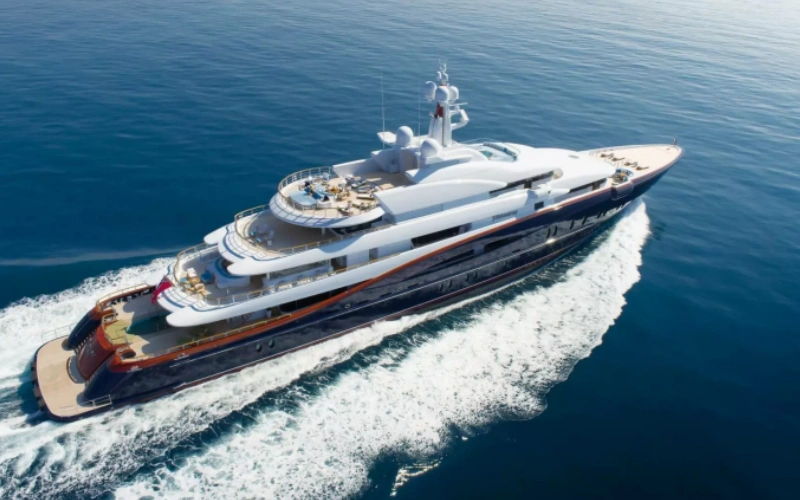
Oceanco's sustainable yacht technologies encompass end-to-end innovation from design and construction through operation. Unlike traditional yachts focused solely on luxury and performance, Oceanco integrates energy efficiency, eco-friendly materials, and emissions control from the initial design phase. This translates to lightweight hulls, energy-efficient propulsion systems, sustainable interior materials, and intelligent energy and waste management systems to minimize environmental impact during voyages.
Based on my years of experience conducting guest sea trials, Oceanco's sustainable yachts not only operate more quietly and ecologically in port but also achieve lower fuel consumption and higher range efficiency during extended voyages. This technology synthesizes environmental stewardship with the ultimate owner experience, representing the future direction for modern superyachts.
Oceanco's Green Innovations in Propulsion Systems
Hybrid and Electric Propulsion
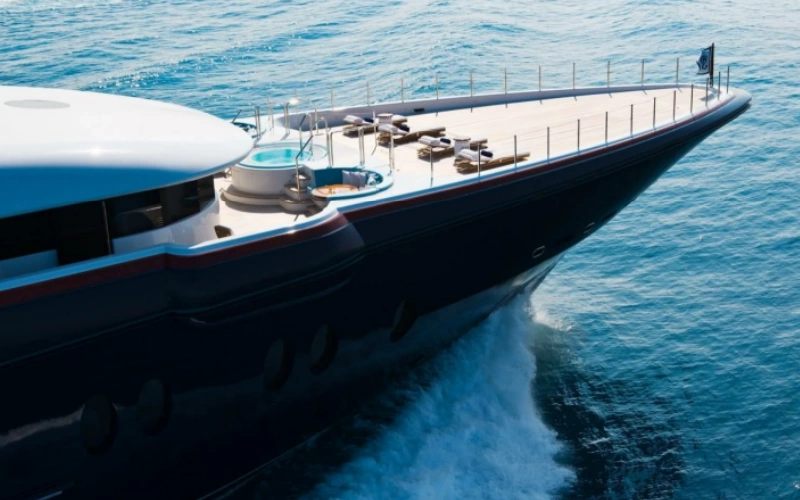
In recent years, Oceanco has implemented hybrid systems across multiple models, with some smaller or coastal-navigating yachts featuring fully electric auxiliary propulsion. These hybrid systems combine efficient diesel engines with lithium-ion batteries, enabling zero-emission operation during low-speed cruising and port maneuvers.
During sea trials of a Y712, I witnessed the vessel glide silently into its berth in electric mode—virtually noise-free and emission-free—significantly benefiting port environmental protection. Additional advantages include fuel savings of approximately 15–30% and reduced CO₂ emissions, while maintaining high speeds and extended range for long-distance voyages.
Efficient Diesel Engines and Emissions Control
For high-speed navigation and offshore cruising, Oceanco continues to utilize efficient diesel engines compliant with IMO Tier III emissions standards, reducing nitrogen oxide and particulate matter emissions. Compared to conventional engines, fuel efficiency improves by approximately 20%, ensuring owners achieve both energy savings and environmental sustainability during extended voyages.
Range and Emissions Comparison Table
| Model | Propulsion Type | Max Speed | Range | Annual CO₂ Emissions (tons) |
| Y712 | Hybrid | 18 knots | 4,500 nautical miles | 40% below baseline |
| Y721 | Electric + Diesel Hybrid | 17 knots | 4,000 nautical miles | 35% below baseline |
| Y714 | Traditional Diesel | 20 knots | 4,200 nautical miles | Baseline emissions |
The data demonstrates that Oceanco's hybrid and electric propulsion systems deliver tangible reductions in carbon emissions and fuel consumption while maintaining the performance of luxury yachts.
Green Hulls and Sustainable Materials
Lightweight Hull Design
Hull weight significantly impacts fuel efficiency. Oceanco employs lightweight, high-strength materials like carbon fiber and aluminum alloys, substantially reducing overall yacht weight without compromising structural integrity or safety. Direct benefits of lightweight design include fuel savings, extended range, and enhanced maneuverability. During sea trials, I distinctly felt the vessel's more responsive handling and smoother navigation.
Sustainable Interior Materials
Oceanco prioritizes environmental responsibility in interior and deck materials. All interior wood originates from FSC-certified forests, ensuring sustainable harvesting practices. Low-VOC coatings and composite materials minimize air pollution. These materials deliver luxury and comfort while meeting modern green standards.
Smart Energy and Waste Management Systems
Energy Management System
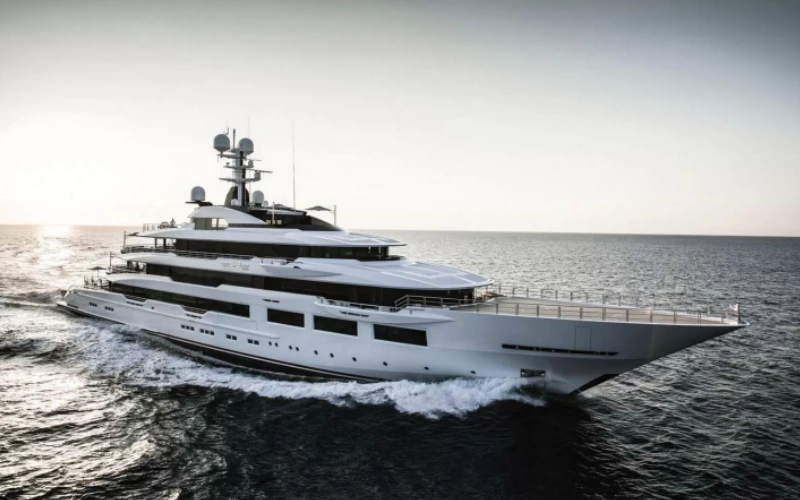
Oceanco yachts feature an intelligent energy management system that monitors energy consumption across all compartments, power system output, and electricity/freshwater usage. By automatically optimizing energy distribution, the system minimizes unnecessary waste. As an owner, I can view real-time data on power consumption, fuel efficiency, and power output during on-site operation, facilitating optimal voyage planning.
Waste and Emissions Management
Oceanco employs advanced wastewater, graywater, and solid waste treatment technologies. Oil-water separation, wastewater purification, and waste compaction systems minimize environmental impact during port and coastal operations. Select hybrid models achieve near-zero emissions during port stays.
Why Choose Eco-Friendly Oceanco Yachts?
Economic Value: Reduce fuel and maintenance costs. Electric mode delivers exceptional energy savings during port stays and coastal cruising.
Social & Regulatory Responsibility: Meet international emission standards, lower carbon footprint, and enhance owner reputation.
Investment Preservation: Eco-friendly yachts command higher resale value and retain equity better in the secondary market.
Selecting an Oceanco eco-yacht means enjoying luxury while contributing to global environmental action—positioning you at the forefront of future superyacht trends.
Summary
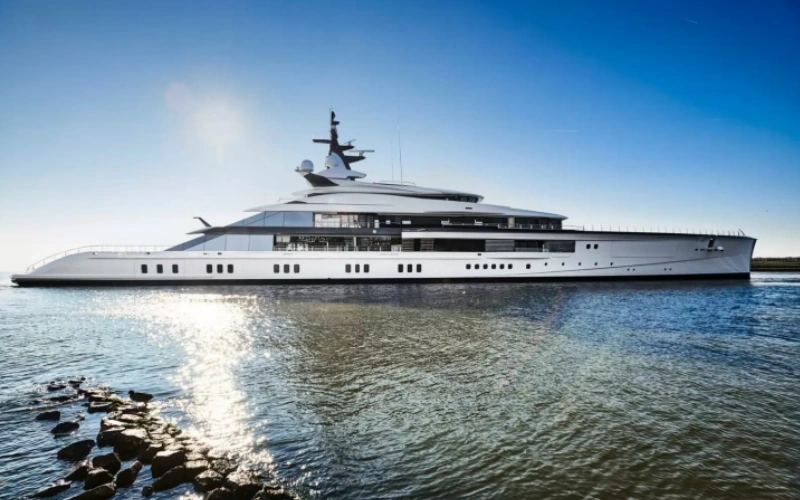
As a broker with extensive experience in Oceanco yachts, I can confidently state: Oceanco's sustainable technologies embody not only environmental principles but also deliver quantifiable value in practical operation. From hybrid propulsion and lightweight hulls to intelligent energy management and sustainable materials, each innovation balances environmental stewardship, economic efficiency, and passenger comfort.
Choosing an Oceanco eco-yacht demonstrates environmental responsibility while safeguarding owners' investments, operational costs, and future cruising experiences.
About the Author
Emery, yacht broker, yacht transaction consultant, and contributing writer for Yachting Magazine, possesses over a decade of yachting industry experience. As a SAMS-certified surveyor, he has been recognized as one of ‘Asia's Top Ten Yachting Industry Experts’ and honored with multiple industry accolades including the ‘Outstanding Service Award for Yacht Brokers’.
Disclaimer
This content is provided for informational purposes only, aiming to introduce Oceanco yachts' sustainable technologies and environmental innovations. It does not constitute investment, purchase, or usage advice. Actual yacht specifications, performance, range, and emissions data may vary by model, custom configuration, and operating conditions. Readers should consult professional yacht brokers, shipyards, or certified surveyors to verify specific details and applicable regulatory requirements before making yacht purchase or navigation decisions.
FAQ
Q1: What is the range capability of Oceanco's eco-friendly yachts?
A: Hybrid models achieve a range of 4,000–4,500 nautical miles, with efficient diesel engines and lightweight hulls ensuring long-range navigation.
Q2: How much fuel do hybrid Oceanco yachts save compared to conventional propulsion?
A: Actual sailing data shows fuel consumption reductions of 15–30%, with significantly lower CO₂ emissions.
Q3: Do Oceanco yachts comply with international carbon emission standards?
A: Yes. All new yachts meet IMO Tier III emission standards, with select hybrid models achieving near-zero emissions.