



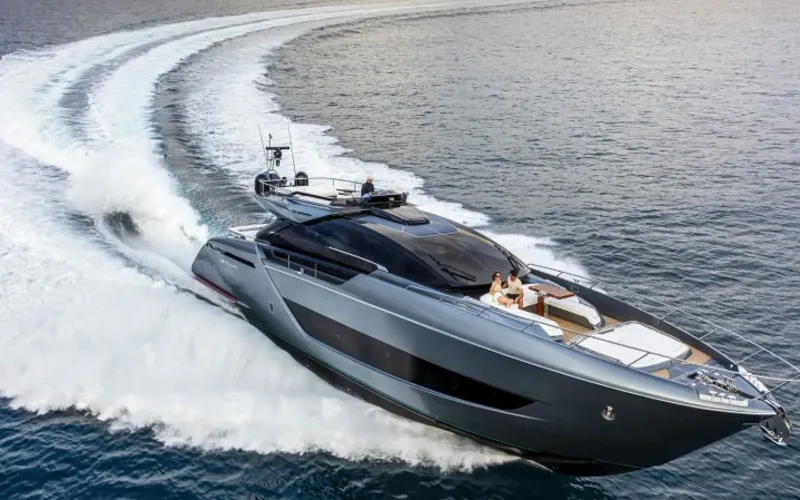
A boat is a general term for smaller watercraft used for fishing, transport, or recreation, while a yacht is usually a larger, more comfortable vessel designed for leisure, private cruising, and lifestyle use.
Boat vs Yacht: Key Differences
The key difference between boats and yachts lies in their purpose and the experience they offer: Boats are primarily used for work, transportation, or fishing; they are smaller, have simpler configurations, and are less expensive. Yachts, on the other hand, are designed primarily for leisure and recreation; they are typically larger, equipped with comprehensive living facilities, and suitable for open-sea voyages and extended stays, but they come with higher purchase and maintenance costs. Simply put, a boat is a tool, while a yacht is a lifestyle. Specific details are shown in the table below:
| Comparison Dimension | Boat | Yachts |
|---|---|---|
| Core Purpose | Water operations, cargo transport, inshore fishing, short-distance transportation | Private leisure and entertainment, sea vacation & living, high-end business socializing |
| Typical Size | Generally small hulls with no strict lower size limit | Larger overall volume; mainstream family yachts are typically 40 feet and above |
| Interior Configuration & Comfort | Only basic navigation essentials, no independent living space | Complete high-end residential facilities, including bedrooms, kitchens/bathrooms, and leisure areas |
| Navigation Range | Limited to short trips on inland lakes and inshore shallow waters | Capable of open-sea navigation and long-distance cross-regional cruising |
| Full-Cycle Ownership Cost | Lower overall costs for purchase, mooring, and maintenance | Higher comprehensive costs; annual expenses for mooring, insurance, and maintenance are significantly higher |
Differences in Comfort and Features
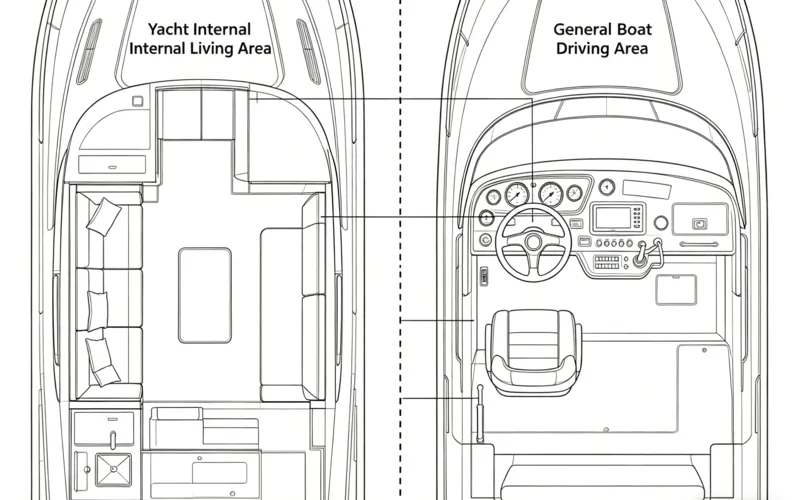
When choosing a Boat, comfort and features are the key differentiators. Standard boats prioritize maneuverability and functionality, emphasizing practicality and efficiency; yachts, on the other hand, focus more on the living experience and are typically equipped with bedrooms, kitchens, bathrooms, and recreational spaces, making them more like a floating home at sea. This shift from a “mode of transportation” to a “lifestyle” is precisely what accounts for the difference in the experience between the two. Yachts emphasize the “living experience,” which typically includes:
• Multiple bedrooms
• Kitchen
• Private bathrooms
• Leisure and entertainment areas
Is a Yacht Always Bigger Than a Boat?
This is one of the most common misconceptions. Many people assume that yachts must be huge in size and extraordinary in length, but this is actually not the case.The definition of a yacht does not depend entirely on size, but rather on its purpose, configuration and experiential attributes. There are many small-sized yachts on the market, such as:
- Day boats of around 20 feet
- 25–35 feet sport cruisers
- Small fishing yachts
- Family weekend leisure boats
These yachts may be shorter in length than some engineering boat, fishing boats or transport ships. However, thanks to their well-equipped interiors and leisure and entertainment positioning, they still fall into the yacht category.
Conversely, some large working boat have large tonnage and lengthy hulls, yet they are not defined as yachts because they are mainly used for production and operational work.
Conclusion: A yacht does not have to be larger. The key lies in its purpose and configuration.
Boat vs Yacht Cost Difference
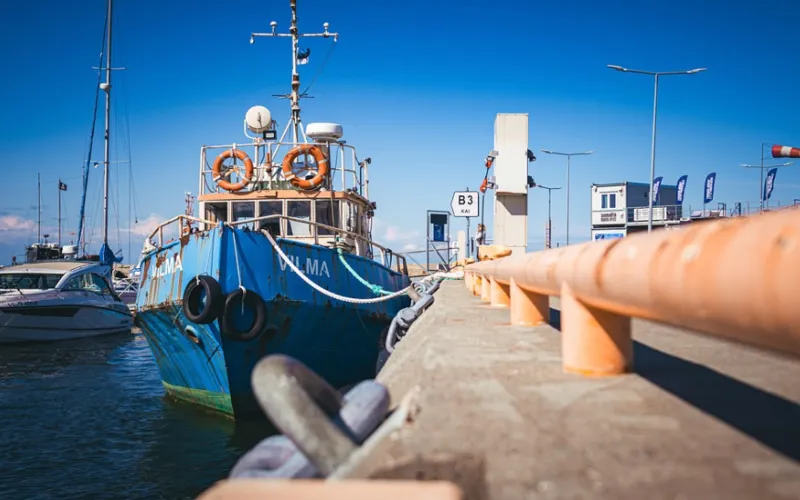
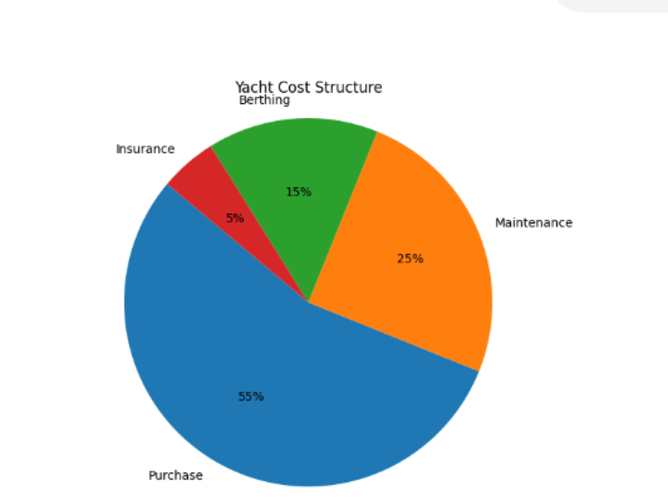
As a yacht consultant with many years of experience, I’ve noticed when meeting with clients that 90% of first-time buyers focus solely on “how much it costs to buy,” while overlooking “how much it costs to maintain.” But the reality is—a yacht is not a one-time purchase; it’s a classic asset where “affordability is one thing, but affordability of ownership is another.” Whether it’s a leisure yacht, a fishing boat, or a corporate hospitality boat, the ongoing operating costs often determine the true ownership experience.
When viewing boats, many clients focus solely on the length, brand, specifications, and purchase price, yet rarely calculate their annual maintenance budget in advance. Only after actually taking ownership do they realize that expenses such as mooring fees, insurance premiums, maintenance costs, fuel expenses, and crew wages are ongoing. Therefore, establishing a comprehensive budget before purchasing a boat is more important than simply comparing purchase prices.
The ‘Detailed Explanation of Yacht Maintenance Costs’ states that annual yacht maintenance costs amount to approximately 8%–12% of the vessel’s purchase price—a point I always emphasize repeatedly when showing boats to clients.
Price Range
Boat purchase budgets vary widely, ranging from small boats costing a few thousand dollars to luxury yachts priced in the millions. Rather than simply chasing after a “big boat,” it’s better to choose a boat model that truly suits your needs based on how often you’ll use it, the number of people it needs to accommodate, and your maintenance budget. This approach ensures you strike the right balance between the boating experience and cost.
| Type | Regular Size | Price Range | Application Scenarios |
|---|---|---|---|
| Small Boat | Within 30 feet | $5,000 – $50,000 | Fishing, training & coaching, short trips |
| Motor Speedboat | 25–45 feet | $50,000 – $300,000 | Day cruising, offshore fishing |
| Entry-level Yacht | 35–50 feet | $300,000 – $1,000,000 | Family leisure & vacation |
| Luxury Yacht | 60 feet and above | Starting from $1,000,000 | Long-term living at sea, VIP exclusive use |
I once worked with a client who had a budget of $500,000. He had originally intended to buy a luxury yacht, but after running the numbers, he realized the ongoing maintenance costs would be too burdensome. In the end, he opted for a 45-foot used yacht, which actually provided a better experience. This kind of “downgrade” is actually quite common.
Maintenance Cost Difference
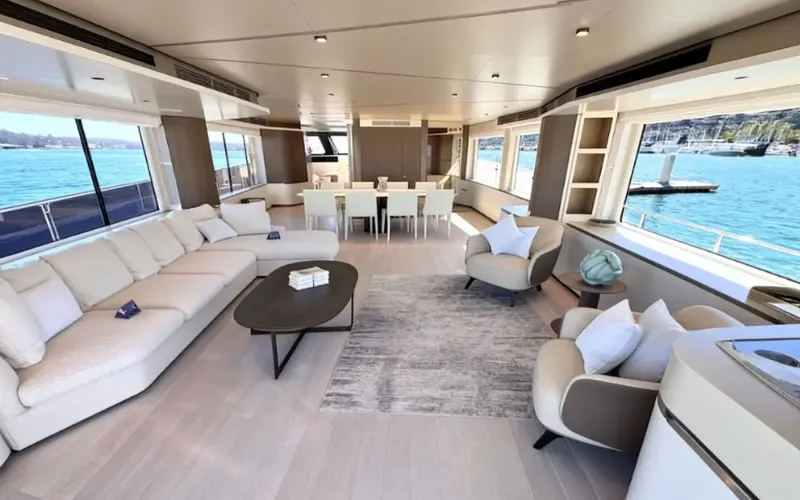
Buying a boat is only the beginning; long-term maintenance is the real ongoing expense.
Maintenance for ordinary boats generally focuses on:
- Engine upkeep
- Hull corrosion protection
- Propeller maintenance
- Basic electrical repairs
Yacht maintenance is far more complex due to more systems and sophisticated equipment:
- Annual maintenance typically accounts for 8%–12% of the yacht price
- Frequently used yachts can reach 15% and above
- Long-term mooring in seawater further increases costs for anti-corrosion, anti-fouling and mechanical upkeep
- Luxury yachts come with more air conditioning, generators and electronic devices, leading to much higher maintenance fees
The operating costs of a yacht are directly linked to its purchase price, and there are significant differences in annual maintenance and average monthly expenses among boats in different price ranges. As shown in the table:
| Yacht Price | Annual Maintenance Cost | Average Monthly Cost |
|---|---|---|
| $300,000 | $24,000–$36,000 | $2,000+ |
| $1,000,000 | $80,000–$120,000 | $6,000+ |
| $5,000,000 | $400,000+ | $30,000+ |
The figures above are merely average estimates; actual costs may vary depending on the yacht’s age, brand, port of call, frequency of use, and maintenance standards. For example, even for a $1 million yacht, if it is taken out to sea frequently throughout the year, costs for fuel, mechanical wear and tear, and labor will increase significantly.
Which One Should Beginners Choose?
The biggest fear when buying a boat isn’t running out of budget, but realizing after the purchase that it “doesn’t suit your needs.” In my actual sales cases, many clients initially focus only on brand, size, and appearance, yet overlook the most critical question: what exactly will this boat be used for? In fact, different purposes dictate entirely different selection criteria: offshore anglers prioritize stability and practical deck space; families seeking recreation focus on comfort and leisure amenities; and those hosting business events value brand image and the passenger experience. Therefore, the correct approach to selecting a boat is not to start with the hull type, but to first determine the intended use, then choose the hull type, and finally align it with your budget. This ensures you avoid buying a boat that’s too large and wasteful or one that’s too small and inadequate, allowing you to truly find the boat that suits you best.Recommended Boat Models for Deep-Sea Fishing or Work Applications
If the primary purpose of purchasing a boat is deep-sea fishing, coastal cruising, transport and supply, or daily work operations, the selection criteria should prioritize practicality, durability, fuel efficiency, and ease of maintenance over luxury features. For these high-frequency usage scenarios, the boat serves primarily as a tool, and stability and reliability are more important than appearance.
Recommendations:
• Small to medium-sized motorboats: With direct power delivery and simple handling, these are ideal for deep-sea fishing, short cruises, and group outings.
• Panga boats (economical and durable): Featuring a lightweight hull, shallow draft, and high fuel efficiency, they are widely used in fisheries and coastal operations worldwide.
👉 We recommend

Wally WALLYTENDER48X
- Length48 ft
- Cabins1
- Top speed55 kn
- TypePower yacht
The WALLYTENDER48X by Wally is a high-end day boat that combines striking design with exceptional performance. Featuring an open walkaround layout and fold-down side terraces, it significantly enhances usable deck space. Powered by four Mercury Racing V8 500R outboards, it reaches a top speed of 55 knots and offers a range of approximately 320 nautical miles at a 40-knot cruising speed, balancing speed and efficiency. The lower deck includes one cabin and a bathroom, suitable for short overnight stays. Versatile in positioning, it can serve as a superyacht chase boat or a standalone leisure vessel, ideal for coastal cruising, social gatherings, and premium leisure experiences.
According to data from NOAA Fisheries, there were 201 million recreational saltwater fishing trips in the United States in 2022, indicating that the market demand for boats used for sea fishing remains stable over the long term, and practical vessels continue to be the mainstream choice.
Recommended Boat Models for Family Recreation
If your primary goal in buying a boat is to take your family out on the water on weekends, host gatherings with friends, enjoy water-based leisure activities, take short trips to nearby islands, or create memorable family experiences, then the focus of your selection should shift from operational efficiency to comfort, spaciousness, safety, and recreational enjoyment. Family users typically prioritize the overall experience, wanting everyone—from the elderly to children and friends—to participate with ease; therefore, your choice of boat should balance practicality with enjoyment.
Recommendations:
• 30–50-foot yachts: Moderately sized, offering a balance of maneuverability and comfort, ideal for family weekend outings, gatherings with friends, and short cruises.
• Double-deck flybridge yachts: Featuring superior views and leisure space, the upper deck is perfect for sightseeing, sunbathing, and socializing, while the lower deck is suited for relaxation and dining, making them more entertainment-oriented.
👉 We recommend
Artemis 45
- Length48.50 ft
- Top speed9 kn
- TypeFlybridge yacht
The Selene 45 is truly the next - generation Selene. It is the smallest model in the popular and proven Selene Pilothouse Trawler series. Designed and built like its larger sisters, it is a serious passage - maker and also a top - notch coastal and inland cruiser. On the new Selene 45, the galley can be offset to the right, providing a spacious salon equipped with a leather L - shaped sofa and a high - low table that can be extended into a large dining table. Or, the central galley remains an option. The raised pilothouse watch bench offers the crew a vantage - point view, with a fixed table where an optional helm chair can be installed! The Selene 45 is an upgraded version of the original Selene 43.
These models typically feature a salon, cabin, galley, and private bathroom, significantly enhancing the family’s boating experience and making them ideal for extended stays at sea.
Recommended Yacht Types for Business Hospitality
If the primary purpose of purchasing a yacht is for client entertainment, business networking, high-end events, or corporate branding, then a yacht is not merely a mode of transportation, but a platform for business engagements that embodies strength, taste, and the ability to forge connections. Compared to general recreational use, business hospitality places greater emphasis on the overall atmosphere, brand image, comfort, and private spaces for interaction.
Recommendations:
• Business Yachts: Offer more spacious interiors, ideal for hosting large groups, business banquets, and high-end events.
• Yachts with Salon and Dining Areas: Facilitate meetings, dining, relaxation, and social interaction, enhancing the overall hospitality experience.
👉 We recommend
2026 Absolute 70 Navetta
- Length70 ft
- Cabins4
- Top speed26 kn
- TypeBusiness yacht
The Absolute 70 Navetta is a luxury cruising yacht from Italy’s Absolute Yachts, measuring 21.3 meters in length. It stands out with its signature panoramic glass design, flexible space layout, and excellent seakeeping performance. Combining fine Italian craftsmanship with modern comfort, it creates an unusually spacious atmosphere through intelligent layout planning.
These yachts typically feature spacious living rooms, air-conditioned interior areas, private cabins, deck lounges, and high-quality sound systems, allowing clients to engage in discussions in a relaxed environment—creating a more memorable experience than traditional meeting rooms.
Common Misconceptions
Many newcomers hold fixed stereotypes about yachts, yet many of these views are outdated. Understanding these misconceptions before buying a yacht helps you make a more rational choice.
Misconception 1: Yachts are only for the wealthy
Yachts were indeed a high-end luxury consumption in the past. Today, however, the market offers far more options. Many entry-level small yachts are priced close to high-end cars, making them affordable for ordinary families. Pre-owned yachts and yacht charter services have also lowered the entry threshold.
Misconception 2: The bigger the yacht, the better
A larger yacht provides more space, but it also brings higher mooring fees, fuel consumption and maintenance costs, along with greater difficulty in handling. For family leisure use, choosing the right size is far more important than blindly pursuing a larger vessel.
Misconception 3: No extra costs after buying a yacht
Purchasing a yacht is just the start. Ongoing expenses include berthing fees, insurance, fuel, repairs and routine maintenance. It is essential to plan a long-term budget in advance.
Misconception 4: Yachts are hard to drive
Modern yachts are generally equipped with GPS navigation, electronic docking assistance and intelligent control systems. With basic professional training, newcomers can quickly get the hang of it. Medium and small yachts are not nearly as difficult to operate as most people imagine.
Conclusion
Buying a boat may seem like choosing a product, but in reality, it’s about selecting a lifestyle and how you’ll spend the next few years. Many first-time buyers focus on price, brand, and size, but what truly determines satisfaction is whether the boat meets your actual needs, how often you’ll use it, and your long-term budget. Choose wisely, and the boat will become a tool that enhances your quality of life; choose poorly, and even the most expensive boat may end up sitting idle at the dock.
In my experience in the industry, many clients ask “How much does a boat cost?” during the initial consultation, but the clients who are most satisfied after the deal is closed are usually the ones who ask, “Is this boat right for me?” These two mindsets often determine the difference in the subsequent user experience.
The Fundamental Difference Between Boats and Yachts
Seeking Practicality → Choose a Boat
If your needs lean toward deep-sea fishing, transportation, work operations, short-distance cruising, or frequent use, then a practical boat is more suitable—it offers more controllable costs and simpler maintenance.
Seeking an Experience → Choose a Yacht
If you value family entertainment, gatherings with friends, business hospitality, vacation leisure, and the quality of life at sea, then a yacht will provide greater experiential value.
Simply put, boats emphasize functionality, while yachts emphasize the experience; the choice of one over the other leads to different budget structures.
To learn more about yacht types, Not sure whether a boat or yacht fits your budget?👉 Get a yacht recommendation based on your usage, region, and 5-year ownership cost.
Disclaimer
The content of this article is for reference only and does not constitute investment advice. This article has not received sponsorship from any shipyard, financial institution, or brand; the author has not participated in any brokerage transactions involving the vessels mentioned herein. Yacht specifications are based on publicly available information as of 2026. Actual prices may vary depending on region and market fluctuations. Actual configurations are subject to classification society certificates. Before purchasing, be sure to engage an independent surveyor (unaffiliated with the seller) to conduct a sea trial and verify the certificates. Neither the author nor this platform assumes any liability for losses resulting from reliance on the information provided herein. Regulations and fees are subject to change; please ensure you check the latest requirements.
About the Author
Andrew Rogers is an experienced yacht broker specializing in the procurement and evaluation of high-end yachts and deep-sea fishing vessels. With extensive industry experience, he offers unique insights into deep-sea fishing operations and vessel configuration. Through professional services and in-depth market analysis, Andrew assists clients in making informed vessel selections.
FAQ
Q1: Are the terms “boat” and “yacht” interchangeable?
A: Not entirely. A yacht is a type of boat, but it is more geared toward leisure and luxury use.
Q2: What is the minimum cost to get started with a yacht?
A: Generally, you can purchase an entry-level used yacht for around $300,000.
Q3: Is yacht maintenance expensive?
A: Typically, annual maintenance costs amount to about 8%–12% of the yacht’s value, resulting in relatively high long-term costs.
Q4: How should I choose a boat for my first purchase?
A: First, determine your intended use, then select a size based on your budget to avoid blindly pursuing a larger vessel.