



Quick answer:
The price of a yacht is influenced by a wide range of factors, including hull size, brand positioning, level of specification and intended use, resulting in a vast price range. The choice of yacht varies entirely depending on individual requirements: small yachts are simple and easy to operate; medium-sized yachts offer a balance of practicality and comfort; large luxury yachts feature spacious interiors and high-end specifications, as detailed in the table below:
| Budget Range (USD) | Type | Typical Use | Features |
| $15,000 – $117,000 | Small Yacht | Short-distance recreation, fishing | Entry-level, easy to operate |
| $117,000 – $437,000 | Medium Yacht | Family cruising, friends gathering | Cost-effective, practical configuration |
| $437,000 – $1,458,000 | Large Yacht | Business reception, social parties | Spacious space, high comfort |
An Analysis of Key Factors Affecting Yacht Prices
Yacht Size and Performance
A yacht’s size is typically the primary factor determining its price; the price difference between small leisure boats under 10 metres and superyachts over 50 metres can be as much as several hundred times. As the length increases, not only do construction costs rise, but the power system, stability and seagoing capabilities also improve.
According to data from the"Global Yacht Market Report", yachts between 20 and 50 metres in length account for over 57% of the market share, as this size strikes a balance between cost and user experience.
In my years of advising clients on their purchases, I have found that many first-time buyers often underestimate the ‘chain reaction of costs associated with size’. I once had a client whose initial budget was around 2 million yuan, but who, whilst viewing boats, was drawn to larger vessels and ultimately chose a model costing nearly 5 million yuan. This kind of ‘size upgrade’ is very common in the industry.
Brand Premium and Regional Differences
From what I understand, European brands are often regarded as representing high-end craftsmanship and unique design, whilst American brands place greater emphasis on performance and practicality, offering consumers a more functional experience. Asian brands, meanwhile, have won over the market with their exceptional value for money.
Level of Customisation
Unlike cars, mid- to high-end yachts generally offer a high degree of customisation.
According to the Global Yacht Market Report 2025–2030, the demand for customisation is one of the key drivers of growth in the yachting industry.
For example, the report states:
“Consumers are increasingly seeking personalised and high-end bespoke experiences.”
It is evident, therefore, that as consumer demand for personalisation and high-end bespoke solutions continues to grow, customisation has become one of the key factors driving the growth of the yachting industry. The yacht industry is gradually transitioning from traditional standardised products to highly personalised bespoke experiences in order to meet increasingly diverse market demands.
In a real-world example, I was involved in a bespoke project where the client wished to add a media room and a small bar to the yacht, which directly increased the total cost by approximately 800,000 yuan. However, from a long-term perspective, such customisation often delivers greater social and practical value.
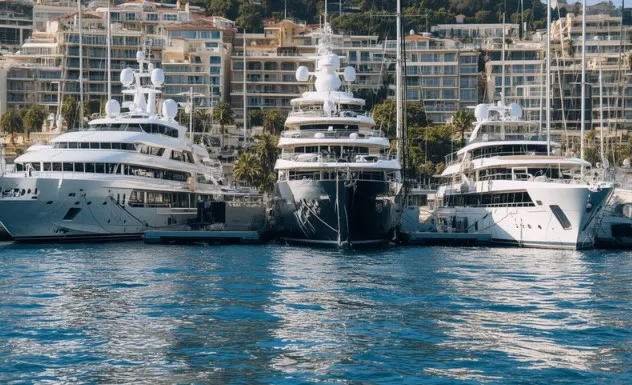
What yachts can you buy with different budgets and sizes?
Yacht prices vary enormously, ranging from entry-level craft costing hundreds of thousands to superyachts worth hundreds of millions, each catering to entirely different usage scenarios, brand positioning and levels of specification. To help you quickly find the right option for you, we have broken down the types of yachts available at each price point by budget range, giving you a clear overview of your choices across different budgets.
Browse yachts for sale by budget and size
| Budget Range (USD) | Type | Recommended Model | Features |
|---|---|---|---|
| $50,000–$150,000 | Small Yacht (under 30 ft) | Bayliner VR6 Bowrider IO | Entry-level, easy to operate |
| $300,000–$1,500,000 | Medium Yacht (30–50 ft) | Itama 45 RS | Cost-effective with practical configuration |
| $5,000,000+ | Luxury Yacht (80–100 ft) | Sunseeker 82 Ocean | Spacious and highly comfortable |
A budget of $50,000 to $150,000
This price range is typically considered the entry-level bracket, offering a choice of small speedboats, fishing boats or some second-hand yachts, suitable for short-distance leisure trips, water sports or weekend getaways.
👉 Bayliner VR6 Bowrider IO is recommended here

Bayliner VR6 Bowrider I O
- Length22.70 ft
- Top speed40 kn
- TypePower yacht
The 2026 Bayliner VR6 Bowrider is a spacious and thoughtfully equipped day boat that maximizes family-friendly functionality through Bayliner's innovative BeamForward design and AftAdvantage concept. With a comprehensive optional equipment package including a ProARC tower, digital dash with Mercury Vessel View link, and Rockford Fosgate stereo upgrade, this VR6 delivers exceptional value for watersports enthusiasts and families seeking roominess and versatility in a trailerable package.
With falling yacht manufacturing costs and an active second-hand market, the barrier to entry is gradually lowering, and an increasing number of consumers are embracing the yachting lifestyle through this price range.
A budget of $300,000 to $1,500,000
This price range represents the mainstream choice in the current market, covering small to medium-sized yachts that balance comfort and functionality, making them ideal for family users or those with modest socialising needs.
👉Itama 45 RS is recommended here
Itama 45 RS
- Length45 ft
- Cabins2
- Top speed34 kn
- TypeSport yacht
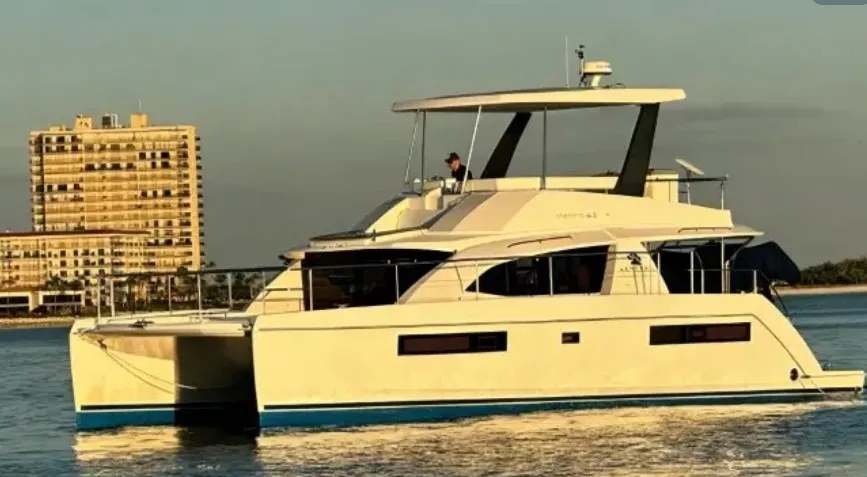
Itama 45 RS is a stylish Italian open sport yacht that combines performance with elegant design. Built by Itama and part of the Ferretti Group portfolio, this approximately 45-foot yacht is powered by twin Cummins 550 HP diesel engines, delivering a top speed of around 34 knots with responsive handling. The open cockpit and spacious sunbathing areas provide an ideal setting for relaxing and socializing at sea. Below deck, the yacht features two cabins, one bathroom, a compact salon, and a small galley, offering comfortable accommodation for weekend cruising or short coastal trips while maintaining the sporty character of a classic Italian open yacht.
This category represents the largest proportion of my client base. One family client ultimately chose a yacht costing approximately 1.5 million yuan, primarily for family outings and gatherings with friends. After using it for some time, he reported that the biggest change was that ‘the frequency of use far exceeded expectations’, with such yachts being utilised extensively, particularly during public holidays and weekends.
$5 million + budge
At this budget level, a yacht shifts from being a ‘tool’ to an ‘experience and asset’, falling within the typical luxury yacht category. Such yachts are usually equipped with comprehensive living facilities, including bedrooms, kitchens, lounge areas and entertainment systems, and are even capable of extended voyages.
👉 Sunseeker 82 Ocean is recommended here
Sunseeker 82 Ocean
- Length82.51 ft
- Cabins4
- Top speed25 kn
- TypeFlybridge yacht
The Sunseeker 82 Ocean Enclosed stands as the latest flagship model in the Ocean series, blending luxurious design with spatial flexibility.
Annual Cost of Owning a Yacht
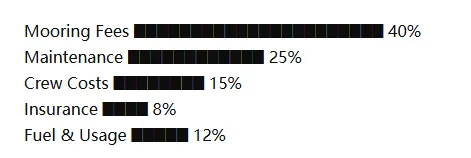
Owning a yacht involves not only the purchase price, but more importantly, the ongoing annual running costs. Industry experience generally indicates that the annual maintenance and operating costs for a yacht amount to approximately 6%–12% of the purchase price, depending on the yacht type, frequency of use and mooring location.
Main Cost Components
• Mooring Fees (30%–50%): Marina berth fees vary significantly by region, with higher costs in major cities or popular ports
• Maintenance and Servicing (20%–30%): Includes engine servicing, hull cleaning, anti-fouling treatment, etc.
• Crew costs (10%–25%): Medium to large yachts typically require professional crew
• Insurance costs (5%–10%): Varies according to the vessel’s value and sailing area
• Fuel and operating costs (5%–15%): Depends on the frequency of outings and distance travelled
Illustration of annual ownership costs (by percentage)
Annual Cost Reference for Yachts at Different Price Points
| Yacht Price | Annual Running Cost (approx.) | Description |
| $100,000 | $6,000–$12,000 | Small yacht, usually no crew required |
| $500,000 | $30,000–$60,000 | Medium-sized yacht, increased basic maintenance |
| $2,000,000 | $120,000–$240,000 | Requires professional management and crew |
| $10,000,000+ | $600,000+ | Luxury yacht, high-end maintenance and operation |
Buying a New Yacht vs a Pre-owned Yacht
Price Comparison
The difference between new yachts and pre-owned yachts is that pre-owned yachts are typically around 30%–50% cheaper than new ones. In some cases, such as urgent sales or models with high depreciation, the price difference can be even greater. This is why a growing number of rational buyers are turning their attention to the pre-owned yacht market.
The advantages of new yachts lie in their "brand-new condition, factory-standard configuration, and customization options", but they entail higher upfront costs and significant early-stage depreciation.Based on industry experience, a new yacht typically sees a notable drop in value within the first 1–3 years after purchase, similar to luxury automobiles.
Pre-owned yachts have already gone through the initial depreciation stage. Therefore, with the same budget, buyers can often get a larger or higher-specification model.
Based on my actual client cases, one client originally planned to purchase a new yacht with a budget of approximately $500,000, but after comparing options, ultimately chose a pre-owned luxury yacht that was not only larger but also equipped with more comprehensive entertainment facilities. In terms of value for money, this choice proved to be the superior option.
Analysis of Risks and Benefits
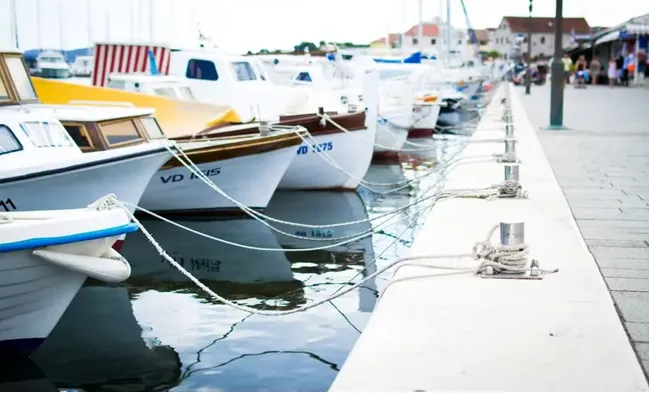
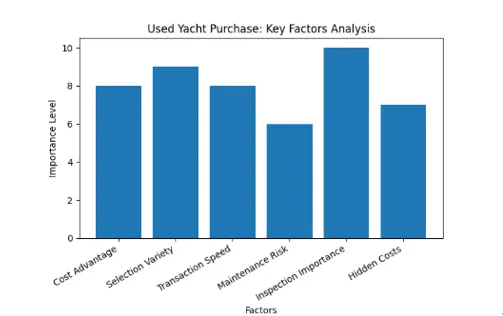
The main advantages of second-hand yachts lie in their value for money, wide range of choices and quick delivery; however, they also carry certain risks, particularly for inexperienced buyers.
The most crucial point is that close attention must be paid to the condition of the yacht and its history of use. For example, the condition of the engine, the hull structure, the electrical systems and whether there is a record of any accidents.
It is generally accepted within the industry that annual maintenance costs for a yacht amount to approximately 6%–12% of the vessel’s value, a factor that must be taken into account for both new and pre-owned vessels. However, in the case of pre-owned yachts, if maintenance has been inadequate in the past, subsequent repair costs may rise significantly.
In my day-to-day work, I usually accompany clients on professional surveys, which include equipment inspections, sea trials and verification of historical records. I have had clients who identified potential issues during the survey process, thereby avoiding a transaction that appeared to be ‘low-priced but high-risk’.
From experience, this is also the point that novices are most likely to overlook – a low price does not equate to low costs.
Conclusion
Overall, there is no fixed answer to the question of ‘how much does a yacht cost’; rather, it depends on one’s budget, intended use and personal requirements. Prices vary enormously, ranging from entry-level speedboats costing tens of thousands of dollars to superyachts worth millions or even hundreds of millions of dollars, essentially reflecting differences in lifestyle and usage scenarios.
Based on my many years of industry experience, most clients initially focus on price; however, during the actual purchasing process, it is often frequency of use, usage scenarios and long-term costs that truly influence their decision. For example, some clients ultimately opt for second-hand yachts offering better value for money, securing higher specifications at a lower cost; whilst others place greater emphasis on brand and the bespoke experience, choosing brand-new yachts to match their status and requirements.
To summarise with a more practical piece of advice:
• Your budget determines where you start; your needs determine your upper limit.
• Price is merely a threshold; the user experience is the core value.
Whether it's for introductory experiences or high-end customization, a yacht is not merely a means of transportation in essence, but also an extension of a lifestyle.
👉 Not sure which yacht fits your budget?
👉 Get professional yacht recommendations right now
Disclaimer
The content of this article is for reference only and does not constitute investment advice. This article has not received sponsorship from any shipyard, financial institution or brand; the author has not been involved in any brokerage transactions relating to the vessels mentioned herein. Yacht specifications are based on publicly available information as of 2026. Actual prices may vary depending on region and market fluctuations. Actual specifications are subject to classification society certificates. Before purchasing, it is essential to engage an independent surveyor (unaffiliated with the seller) to conduct a sea trial and verify the certificates. Neither the author nor this platform accepts any liability for losses arising from reliance on the information provided herein. Regulations and fees are subject to change; please ensure you check the latest requirements.
About the Author:
Andrew Rogers is an experienced yacht broker specialising in the procurement and valuation of high-end yachts and deep-sea fishing vessels. With extensive industry experience, he offers unique insights into deep-sea fishing operations and vessel configuration. Through professional service and in-depth market analysis, Andrew assists clients in making informed vessel selection decisions.
FAQ
Q1: 1. What are the typical prices for yachts of different sizes?
A: Prices for yachts range from small to luxury models, varying from approximately $50,000 to over $50,000,000, depending primarily on size, brand and specifications.
Q2: 2. What are the approximate annual running costs for a yacht?
A: The annual running costs for a yacht are typically around 6%–12% of the purchase price.
Q3: 3. Why is there such a significant price difference between small and luxury yachts?
A: The difference is primarily due to factors such as size, level of specification, brand premium and whether the yacht is crewed.
Q4: 4. Which is better: a pre-owned yacht or a new one?
A: If you have a generous budget and are looking for a hassle-free new yacht, a new yacht is the way to go; however, if you are seeking value for money and are willing to accept a certain degree of maintenance risk, a second-hand yacht is a more suitable option.