Quick Answer:
Most used Princess yachts demonstrate stable performance, though conducting thorough mechanical, electrical and hull inspections, reviewing maintenance records, and arranging sea trials prior to purchase remain essential steps to ensure reliability.
Princess Yachts, established in 1965 with headquarters in the United Kingdom, is renowned for manufacturing premium fibreglass yachts. The brand encompasses Flybridge, V Class and Sportbridge series, with designs prioritising comfort, manoeuvrability and long-term durability. With proper maintenance, Princess yachts can serve for over 20 years, and well-maintained second-hand models retain high reliability.
Key factors affecting the reliability of pre-owned Princess yachts include age, usage history, maintenance condition, and model differences. For instance, the Flybridge series prioritises comfort and space, while the V Class emphasises speed and handling performance – directly influencing the reliability focus of a pre-owned yacht's seagoing capabilities.
Princess yachts with comprehensive maintenance records, moderate sea usage, and structurally sound hulls often demonstrate superior reliability compared to comparable brands.
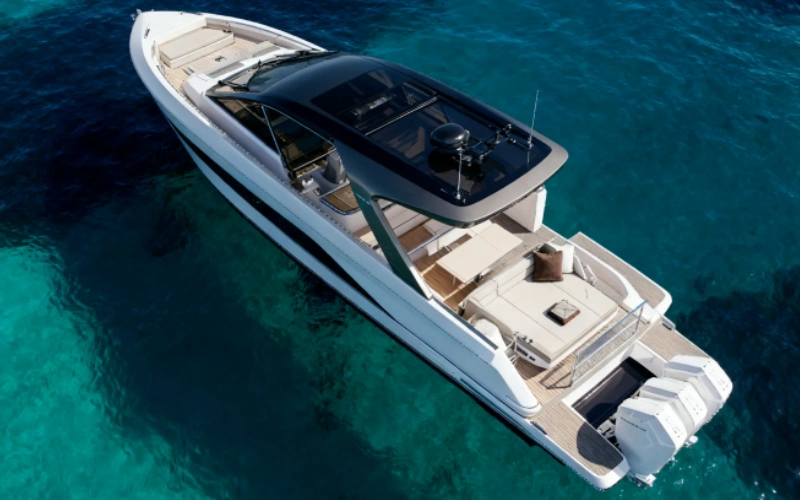
Common Issues with Used Princess Yachts
Engine and Propulsion Systems
Princess yachts typically feature Volvo Penta or MAN engines, renowned for their stable performance. However, certain issues may arise in used units. Common occurrences include turbocharger wear, cooling system blockages, ageing fuel pumps, and transmission noise. Minor repairs typically cost between $2,000–$5,000, though engine replacement or major overhauls may exceed $50,000. Therefore, scrutinising detailed maintenance logs, verifying oil change intervals, and assessing the powertrain's operational condition are crucial for evaluating a used Princess yacht's reliability.
Hull and Deck
Princess yachts feature fibreglass hulls, renowned for their robustness and durability. However, vessels of advanced age or those subjected to improper handling may exhibit cracks or water ingress. Areas of high abrasion, particularly the bilge and deck sections, are prone to delamination, ageing, or localised cracking. Regular hull polishing, waterproofing treatments, and targeted repairs can significantly extend service life while enhancing overall reliability.
Electronics and Navigation Systems
Navigation and electronic systems represent another potential source of issues in pre-owned Princess yachts. Long-term use may lead to outdated software or ageing circuitry in radars, GPS units, autopilots, and communication equipment. Upgrading or replacing these systems carries significant costs, typically ranging from $5,000 to $20,000. Consequently, testing the operational status of all electronic equipment prior to purchase is paramount.
Used Princess Yacht Inspection Checklist
To ensure the reliability of used Princess yachts, a comprehensive inspection must be conducted prior to buying a used Princess yacht. The following table outlines key inspection items and recommended procedures:
| Inspection Item | Key Focus | Recommended Action |
| Hull and Bottom | Cracks, water ingress, wear | Use professional hull inspection tools or engage a SAMS-certified surveyor |
| Engines and Propulsion | Turbochargers, cooling systems, fuel systems | Review maintenance logs; conduct power tests |
| Electrical Systems | Batteries, wiring, instrument functionality | Test navigation, communication, and electronic systems |
| Pumps, Air Conditioning & Mechanical | Pump flow rates, heating/cooling systems | Operational testing to confirm normal function |
| Cabin & Deck | Water ingress, wear | Visual and structural inspection, focusing on high-wear areas |
Sea Trial Considerations
Sea trials are crucial for assessing the reliability of pre-owned Princess yachts. Testing should include:
- Acceleration and steering performance: Observe engine response and smoothness of rudder operation.
- Vibration and noise detection: Ensure no abnormal vibrations from transmission systems or propulsion units.
- Hull integrity: Watertightness of decks, hatches, and doors.
- Electronic equipment testing: Verify stable performance of navigation, radar, and autopilot systems during actual navigation.
Maintenance Record Review
Maintenance records serve as vital references for assessing a second-hand Princess yacht's reliability. Key areas to examine include:
- Engine scheduled maintenance logs
- Hull antifouling paint and structural repair records
- Historical repair invoices and insurance claim records
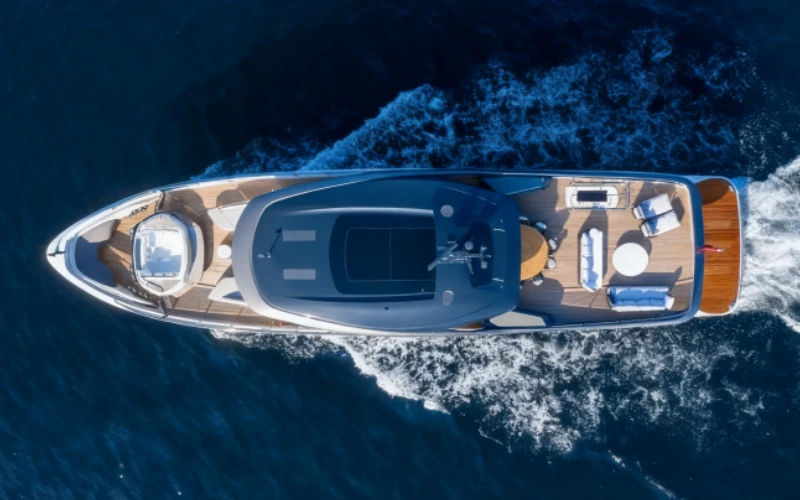
How to Enhance the Reliability of a Used Princess Yacht?
Even a dependable used Princess yacht can have its lifespan and reliability further extended through proper maintenance and upgrades:
Regular servicing and professional inspections: Conduct at least one comprehensive annual check covering engines, propulsion systems, hull, and electronics; key components like engines may require biannual assessments.
Upgrade Critical Systems: Replace ageing engine components and update navigation/communication equipment to ensure trouble-free long-term operation.
Select Reputable Brokers and Survey Organisations: Obtain authentic vessel condition reports through professional bodies and credible brokers to mitigate purchase risks.
Additionally, owners undertaking frequent long-distance voyages or operating in challenging sea conditions should establish a systematic maintenance programme post-purchase, ensuring the vessel is in optimal condition before each use.
Summary
Used Princess yachts demonstrate outstanding reliability in international markets, underpinned by brand reputation, exquisite craftsmanship, and robust design. Vessel age, usage history, and maintenance records remain pivotal factors in determining reliability. Through comprehensive inspection checklists, professional sea trials, and maintenance record audits, prospective buyers can significantly mitigate risks, securing reliable, high-performance second-hand Princess yachts.
Key Insight: While brand reliability is paramount, the true determinants of a pre-owned yacht's long-term performance lie in the thoroughness of systematic maintenance and scientific inspection. Selecting an experienced surveyor and broker remains the most effective means of safeguarding your investment.

About the Author
Emery, yacht broker, yacht transaction consultant, and contributing writer for Yachting Magazine, possesses over a decade of yachting industry experience. As a SAMS-certified surveyor, he has been recognised as one of ‘Asia's Top Ten Yachting Industry Experts’ and honoured with multiple industry accolades including the ‘Outstanding Service Award for Yacht Brokers’.
Disclaimer
This content is for informational purposes only, intended to provide general guidance on the reliability of pre-owned Princess yachts. It does not constitute investment, purchasing, or maintenance advice. Yacht condition varies based on age, usage history, maintenance, and individual characteristics; actual performance may differ from descriptions herein. Prior to purchase, prospective buyers are strongly advised to commission a comprehensive inspection by a professional SAMS-certified surveyor and independently assess the hull, engines, electronic systems, and safety equipment. Neither the author nor this platform shall be liable for any direct or indirect losses arising from the use of this information.
FAQ
Q1: What issues commonly arise with pre-owned Princess yachts?
A: Engine wear, hull cracks, and ageing electronics are the most common issues encountered in pre-owned Princess yachts.
Q2: How can one determine if a used Princess yacht is worth purchasing?
A: Assess the overall condition of the hull, engine, and electronic systems through sea trials, review maintenance records, and consult professional survey reports.
Q3: Which Princess yacht models are most durable?
A: The Flybridge and V Class series offer greater longevity and reliability due to their design and structural stability.