Quick Answer:
Key steps include: verifying the yacht's history and documentation → hull inspection → engine and propulsion system examination → electrical and electronic systems assessment → interior and living facilities review → sea trial → third-party professional valuation.
As a broker with extensive experience facilitating yacht transactions across the Mediterranean and South Florida, I have personally overseen dozens of used Sunseeker sales and frequently accompanied clients on sea trials. I have distilled practical inspection techniques and common pitfalls to assist prospective buyers in making informed decisions when purchasing a used Sunseeker.
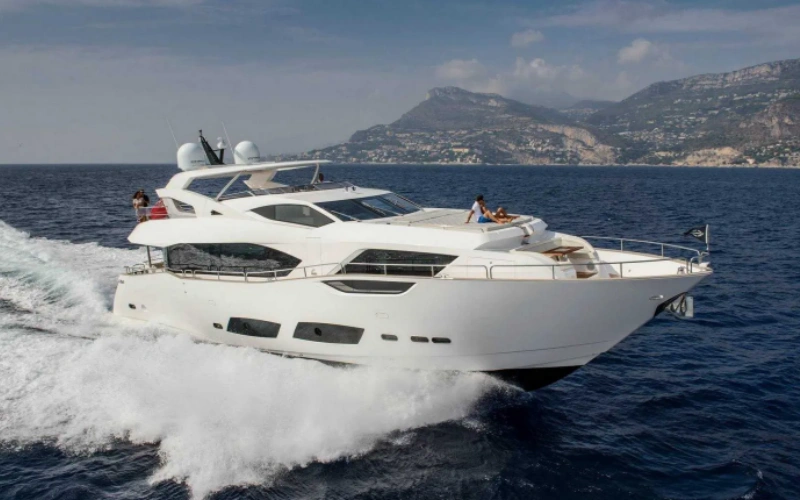
Why is a thorough inspection crucial for used Sunseeker yachts?
Sunseeker powerboats are renowned for their high performance, luxurious design, and sophisticated electronic systems – characteristics that also introduce potential risks. Without proper maintenance, pre-owned yachts may harbour structural damage, engine failures, electronic system faults, or interior deterioration. Older Sunseekers over ten years old frequently exhibit issues such as hull gelcoat delamination, propeller shaft wear, and ageing electronic equipment.
A systematic pre-purchase inspection uncovers potential problems and provides leverage during price negotiations, preventing buyers from paying over the odds for vessels with prohibitively high future maintenance costs.
Preparatory Work Before Inspecting a Used Sunseeker Yacht
Prior to inspection, buyers should verify the yacht's history and documentation. Key records include the registration certificate/certificate of ownership, maintenance logs, accident or repair history, and insurance claim records. These documents help determine whether scheduled maintenance was performed, if significant accidents occurred, and whether major overhauls were undertaken on the engine or propulsion system.
Creating a detailed inspection checklist is equally vital. I often recommend categorising items into hull, engine, electronics, interior fittings, and sea trials, noting key focus areas for each to prevent oversights. Below is a sample checklist:
| Inspection Item | Key Focus Areas |
| Hull | Hull cracks, deck leaks, hatch seals |
| Engine | Engine oil, coolant, propeller shaft, engine running condition |
| Electrical Systems | Navigation equipment, radar, instruments, battery health, wiring deterioration |
| Interior Fittings | Air conditioning, galley appliances, toilet pumps, furniture condition |
| Sea Trial | Acceleration, handling, vibration, speed/fuel consumption, engine temperature |
Inspection Procedures and Techniques for Used Sunseeker Yachts
Hull and Deck Inspection
Hull inspection forms the foundation of used Sunseeker yacht surveys. Focus on deck integrity, hatch seals, water ingress prevention, and hull structure. Older Sunseekers may exhibit minor gelcoat delamination, but structural cracks or seepage require further investigation or repair. Verify hatch, door, and cover seals to prevent seawater ingress.
Engine and Propulsion System Inspection
The engine forms the heart of Sunseeker powerboats. I routinely:
- Check engine oil colour and coolant condition
- Start the engine and observe for smooth operation, abnormal vibrations or unusual noises
- Inspect propeller shaft and transmission system for wear
Tip: Where possible, engage a SAMS-certified technician or specialist engineer to identify potential major overhaul risks.
Electrical and Electronic Equipment Inspection
Sunseeker yachts feature complex electronics, including navigation systems, radar, autopilot, depth sounders, and saloon lighting/audio systems. Key inspection points include:
- Full functionality of all equipment
- Battery health and wiring condition
- Risk of electrical leakage or short circuits
This is also a frequently searched topic, e.g., ‘used Sunseeker electronic systems inspection’.
Interior and Living Facilities Inspection
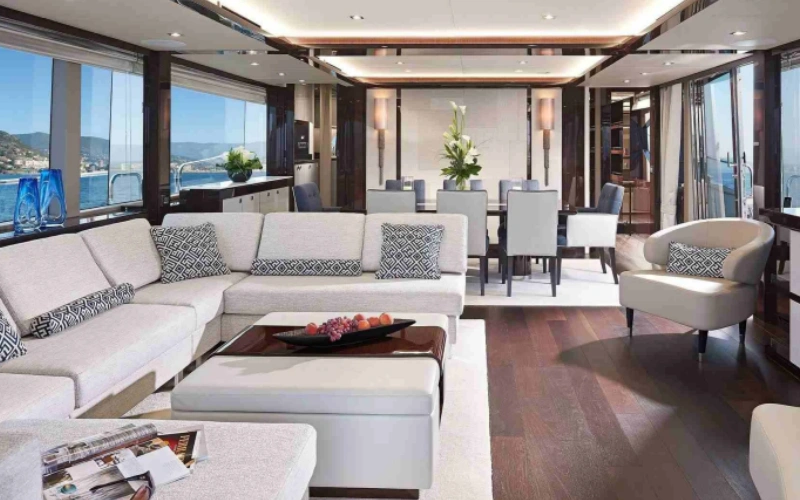
Interior fittings and living amenities impact comfort but may conceal issues. Key areas of focus include:
- Proper functioning of air conditioning, water heaters, and galley appliances
- Leakage from toilet pumps
- Mould growth or damage to furnishings
When inspecting below deck, note water stains and musty odours, which signal potential water ingress or pipe leaks.
Sea Trial Techniques
The sea trial is crucial for evaluating a pre-owned Sunseeker's performance, encompassing acceleration, handling, vibration, speed-fuel consumption ratios, and engine temperature monitoring. I recommend recording fuel consumption and range data at various speeds, as per the table below:
| Speed (knots) | Fuel Consumption (litres/hour) | Estimated Range (nautical miles) |
| 10 | 60 | 400 |
| 20 | 180 | 200 |
| 25 | 250 | 150 |
By comparing against standard fuel consumption curves, one can assess whether engine performance is abnormal or if latent faults exist.
How to Avoid Common Pitfalls?
Common pitfalls in used Sunseeker yacht transactions include:
Undisclosed latent structural damage, such as hull repairs or modifications
Opaque history of major engine or transmission overhauls
Incomplete pre-sea-trial inspections concealing latent faults
Unverified registration certificates and insurance records posing legal risks
Combining documentary verification, systems inspection, and sea trials significantly mitigates these risks.
Engaging a third-party professional surveyor or SAMS-certified technician provides objective reports identifying issues beyond the lay buyer's expertise. Fees typically range from €2,000–€5,000, representing a necessary investment compared to potential repair costs. I have repeatedly witnessed buyers incurring hundreds of thousands of euros in post-purchase repairs due to neglecting professional inspections.
Conclusion
Purchasing a used Sunseeker yacht constitutes a significant decision. A systematic inspection process—encompassing historical verification, hull and propulsion system examinations, electrical equipment checks, interior inspections, and sea trials—combined with third-party assessments, empowers buyers to mitigate latent risks.
Bear in mind: the earlier issues are identified, the greater the negotiation scope and the more secure the investment.
About the Author
Emery, yacht broker, yacht transaction consultant, and contributing writer for Yachting Magazine, possesses over a decade of yachting industry experience. As a SAMS-certified surveyor, he has been recognised as one of ‘Asia's Top Ten Yachting Industry Experts’ and honoured with multiple industry accolades including the ‘Outstanding Service Award for Yacht Brokers’.
Disclaimer
This content is for reference only, intended to assist prospective buyers in understanding the general process and considerations for inspecting pre-owned Sunseeker yachts. It does not constitute specific investment or purchasing advice. Yacht transactions involve complex legal, technical, and financial factors, and each vessel's condition varies; actual inspection results may differ. Buyers are strongly advised to engage a qualified professional surveyor or SAMS-certified technician for a comprehensive assessment prior to purchase, incorporating advice from legal counsel and insurance specialists to mitigate potential risks. The author and platform shall not be liable for any direct or indirect losses arising from reliance on the information herein.
FAQ
Q1: How long does a used Sunseeker yacht survey typically take?
A: Surveys for used Sunseeker yachts commonly require 2–4 days, encompassing documentation verification, hull and engine inspections, and sea trials.
Q2: Which Sunseeker models are more prone to hidden issues?
A: Older Predator and Manhattan series yachts, due to extended service life, require particular attention to structural integrity and propulsion systems.
Q3: What key documentation should be scrutinised before purchasing a used Sunseeker?
A: The Certificate of Registry, maintenance logs, repair history, and insurance claims records.