Quick Answer: How Much Does a 40–60-Foot Mid-Size Yacht Cost?
The purchase and ownership costs of a 40–60-foot mid-size yacht vary significantly depending on the model and intended use:
- Purchase Price: $300,000 – $2,500,000+ (depending on length, brand, and specifications).
- Annual Operating Costs: Approximately 10%–20% of the purchase price, $100,000 – $250,000/year.
- Total Cost of Ownership Over Five Years: Approximately 1.1–1.3 times the purchase price, including depreciation, maintenance, docking fees, and insurance.
As a yacht broker with over 15 years of experience, I've seen many first-time buyers attracted by the listing price—only to underestimate the true long-term cost of ownership.
This mid-size yacht price guide will help you realistically evaluate what it takes to own a 40–60 ft yacht, including purchase price, annual expenses, hidden costs, and whether you should buy new or used.
1. What Is Considered a Mid-Size Yacht?
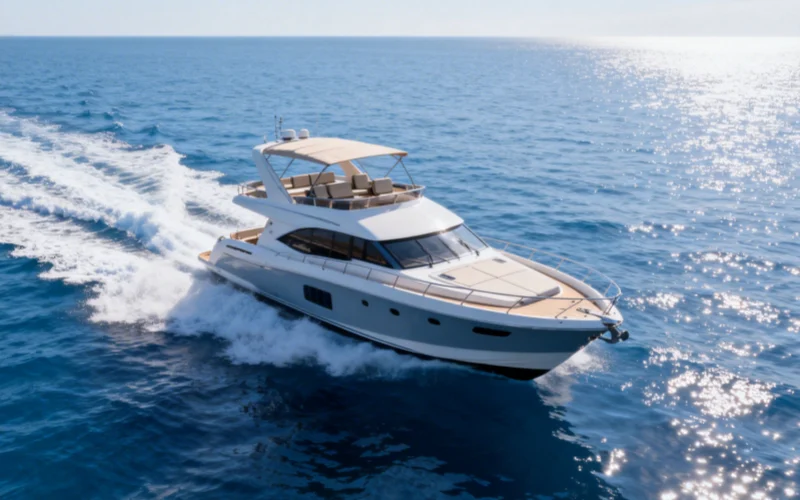
In the yacht market, mid-sized yachts typically refer to vessels measuring 40–60 feet (about 12–18 meters); this size range is often referred to by many owners as the “sweet spot.”
Key Features:
- Equipped with 2–3 cabins, suitable for families or small groups
- Accommodates 6–12 guests
- Relatively easy to handle, making them more accessible than larger yachts
Common Types
- Motor Yachts: The most popular choice, offering comfortable cruising
- Flybridge Yachts: Ideal for socializing and sightseeing
- Sport Cruisers: Focused on performance and style
When choosing your first yacht for sale, I recommend prioritizing models in the 40–50-foot range, as they offer both stability and ease of handling.
2. Mid-Size Yacht Price by Length (40–60 ft)
In my 15 years as a yacht broker, this is one of the most common questions clients ask:
“How much does a 40–60 ft yacht actually cost?”
Many buyers start with a rough price estimate. However, in real transactions, I've seen final purchase prices differ significantly from the initial budget.
The reason is simple: yacht pricing is not determined by size alone. Brand, specifications, and intended use all play a major role.
2.1 Mid-Size Yacht Price Range
The price of a 40–60 ft midsize yacht varies widely—from $300,000 to $2,500,000+, depending on brand positioning, interior materials, and technical specifications.
| Length | Price Range |
|---|---|
| 40–45 ft | $300,000 – $800,000 |
| 46–50 ft | $500,000 – $1,200,000 |
| 51–55 ft | $800,000 – $1,800,000 |
| 56–60 ft | $1,200,000 – $2,500,000+ |
If you are planning a budget, I recommend thinking beyond size alone and using a more realistic breakdown:
- $300,000–$700,000: Entry-level or older models
- $700,000–$1,500,000: Mainstream buyer segment with the widest selection
- $1,500,000+: High-end brands or heavily equipped new yachts
From my experience, first-time buyers should focus on the 50 ft range around $800,000–$1,200,000, where space, performance, and ownership costs are most balanced. For buyers specifically comparing this popular size category, understanding how much a 50 foot yacht costs can provide a more detailed breakdown of purchase prices, ownership expenses, and market expectations.
🔹 Why Can a 50 ft Yacht Vary by $300,000+?
I've taken clients to view yachts where two vessels of the same 50 ft size differed in price by $300,000 or more.
This is not an exception—it is the norm in the yacht market.
Understanding price ranges is only the first step. The more important question is: Where do these price differences actually come from?
2.2 Key Factors That Affect Yacht Pricing
When comparing yachts that look similar but have very different prices, the following are the main drivers of cost differences:
🛥️ Brand Tier
The yacht brand is the primary factor determining the price range:
- Entry-level Brands: Such as Bayliner, Regal, and Chaparral, which prioritize value for money and offer basic specifications.
- Mid-to-High-End Brands: Such as Azimut, Princess Yachts, and Sunseeker, which offer superior design and comfort.
- Luxury Brands: Such as Ferretti, Pershing, and Riva, which feature superior craftsmanship, performance, and resale value.
For yachts of the same size, luxury brands typically cost 30%–80% more than mass-market brands.
I had a client who was torn between two 50-foot yachts: a Regal and a Princess Yachts. He ultimately chose the latter. Although it initially cost him about 25% more of his budget, when he sold it five years later, not only was his loss smaller, but it also sold much faster.
If your goal is long-term ownership cost efficiency rather than just the initial purchase price, I generally recommend prioritizing mid-to-high-end brands.
⚙️ Engine & Performance
The propulsion system directly impacts price, handling, and long-term operating costs.
Common configurations include:
- Standard twin engines (suitable for general cruising)
- High-performance engines (higher top speed)
- IPS / Pod Drive systems (easier maneuvering and better fuel efficiency)
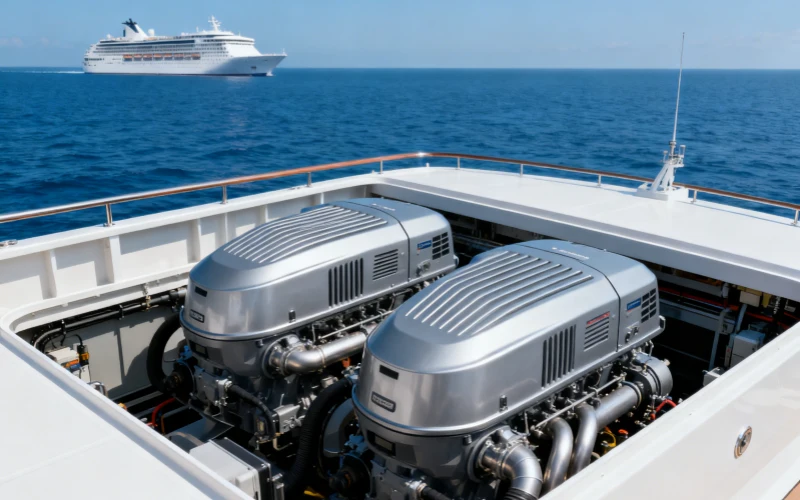
For example, upgrading to a Volvo Penta IPS system typically adds $150,000+ compared to a traditional shaft drive setup.
I usually tailor this recommendation based on whether the owner will drive the yacht personally. For first-time owners, IPS systems significantly reduce handling difficulty. If you plan to operate the yacht frequently yourself, IPS is often worth the investment. However, if a captain will handle most navigation, you can choose more flexibly based on budget.
🛋️ Interior Design & Layout
Interior configuration is one of the biggest price differentiators—and one of the most underestimated cost drivers.
Key differences include:
- Standard interior vs. fully customized luxury interior
- 2-cabin vs. 3-cabin layouts
- Presence of a full galley and separate crew cabin
Upgrading from laminate finishes to real wood, premium leather, and stone countertops can increase the base price by 20%–30%.
📡 Electronics & Tech
Basic configurations typically meet only the yacht's basic navigation needs, while upgraded configurations significantly increase the price.
Common features include:
- Radar, autopilot systems
- High-end navigation systems (Garmin / Raymarine)
- Stabilizers (Seakeeper) to reduce seasickness
- Smart vessel control systems (integrated lighting and air conditioning)
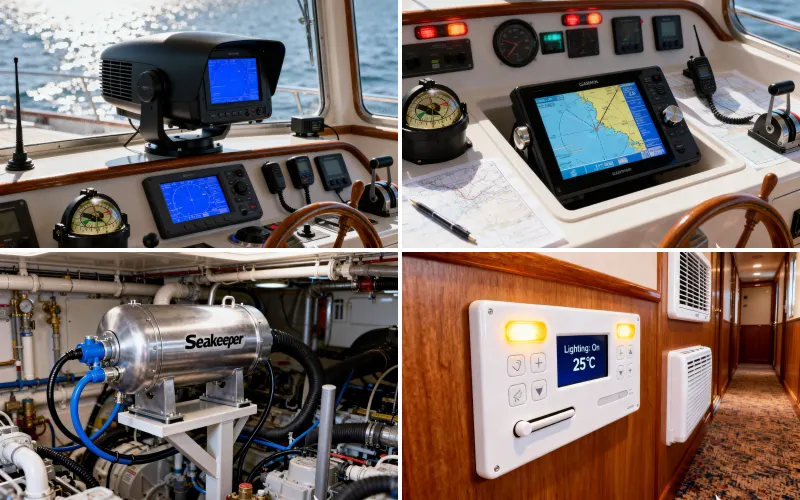
For example, upgrading from basic navigation to a complete Furuno system (including radar, sonar, and thermal imaging) typically costs between $50,000 and $100,000. If you plan to undertake long-distance or night voyages, this type of equipment is a necessary investment rather than an optional extra.
📐 Stock vs. Custom Build
The method of purchase is also a key factor affecting a yacht's price:
- Stock Boat: More transparent pricing, available for immediate delivery.
- Custom Build: Fully customizable, but more expensive, with a lead time of typically 6–18 months.
Price is never determined by size alone, but rather by a combination of brand, specifications, performance, and build quality.
In my experience, what truly drives long-term cost differences is often not the purchase price, but your choices regarding the brand and specifications.
3. Annual Operating Costs of a Midsize Yacht
As a seasoned yacht broker, let me tell you: the purchase price is just the beginning; the real expenses lie in daily maintenance and operation.
According to The Real Cost of Owning a Yacht, the annual cost of owning a yacht typically amounts to 10% to 20% of the purchase price. For example, a Azimut yacht valued at $1,000,000 will cost approximately $100,000–$200,000 per year.
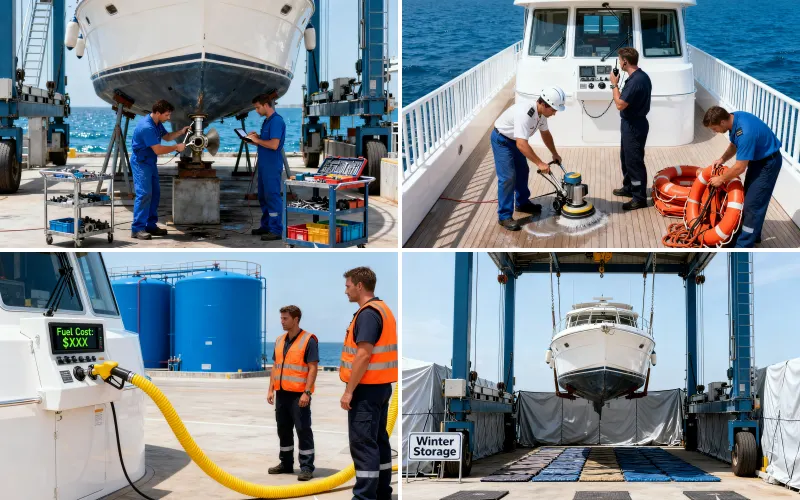
3.1 Maintenance and Repairs
I typically recommend that clients set aside 5%–10% of the yacht's value annually for maintenance:
- Regular engine maintenance (oil changes, replacement of water pump impellers and filters)
- Hull cleaning and anti-fouling paint
- Teak deck maintenance
- Air conditioning maintenance
- General wear-and-tear repairs
For a $1,000,000 yacht, annual maintenance costs range from approximately $50,000 to $100,000. Neglecting maintenance not only accelerates depreciation but can also compromise safety.
3.2 Berthing and Marina Fees
Berths for 40–60-foot yachts are relatively easy to find at marinas worldwide, though prices vary significantly by location:
- Economy-Class Marinas (U.S. Gulf Coast, non-prime locations): $12,000–$20,000/year
- Standard Coastal Marinas (Florida, East Coast): $25,000–$40,000/year
- Premium Destinations (Monaco, Saint-Tropez, Caribbean): $50,000–$100,000+/year
3.3 Crew Costs
Depending on the yacht's size and frequency of use, owners may choose to captain the vessel themselves or hire professional crew:
- 40–50 Feet: Most owners can captain the vessel themselves and do not require crew.
- 50–60 Feet: A captain is recommended; costs range from approximately $3,000 to $8,000 per month.
3.4 Fuel Costs
Fuel is the biggest variable. Take a 40 ft motor yacht as an example:
- At cruising speed, it consumes approximately 50–80 liters per hour (13–21 gallons).
- For 200 hours of sailing per year, fuel costs amount to approximately $10,000–$20,000.
Sailboats have lower fuel costs, but most buyers of mid-sized yachts choose motor yachts.
3.5 Insurance and Registration
In most regions, yacht insurance is mandatory and typically costs 1% to 2% of the vessel's value annually. For a $1,000,000 Riva yacht:
- Insurance: Approximately $10,000–$20,000/year
- Rates depend on your cruising area, boating experience, and claims history.
3.6 Winter Storage or Hauling Out During Hurricane Season
If your region experiences significant seasonal changes, budget $5,000–$15,000 per year for hauling out, winter dry storage, and spring launch preparation.
3.7 Yacht Yearly Cost Calculation
For a $1,000,000 mid-size yacht, annual expenses are approximately:
- Dockage fees: $25,000
- Maintenance costs: $60,000
- Insurance premiums: $15,000
- Fuel costs: $15,000
- Miscellaneous (cleaning, antifouling, etc.): $10,000
Total: $125,000
Buying a boat is just the beginning; the annual operating costs for a mid-sized yacht can be quite high. Even a 50-foot yacht that you captain yourself—without the need for a full-time crew—can cost over $100,000 a year. And if you hire a captain or choose a high-end marina, the costs will be even higher.
🔹 Wondering what kind of yacht you can buy within your budget?
If you're seriously considering purchasing a 40–60-foot mid-sized yacht, I recommend not relying solely on listed prices. Prices can vary significantly depending on the brand, condition, specifications, and location of the yacht.
👉 Get personalized yacht recommendations and a cost estimate:
Based on your budget, intended use (family, vacation, investment, or charter), and cruising area, we can help you identify the most suitable boat model and provide a comprehensive calculation of annual yacht operating costs.
4. Hidden Costs First-Time Buyers Often Miss
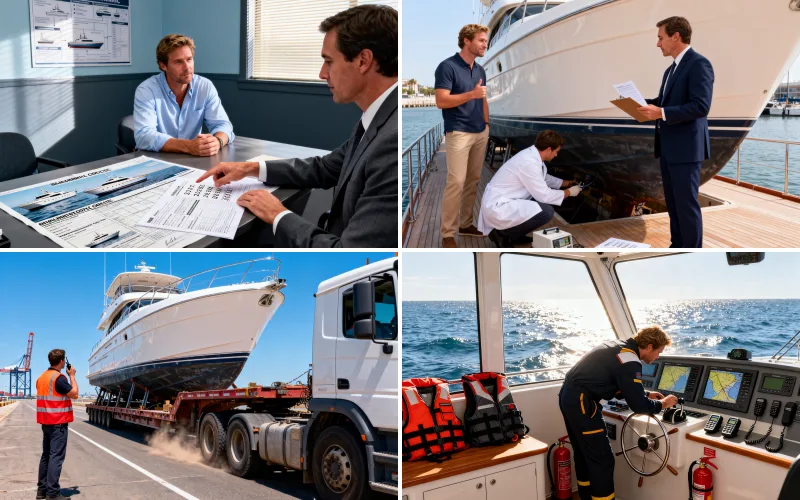
The listed purchase price is only a fraction of the total cost. Hidden expenses such as taxes, survey and legal fees, transportation, necessary equipment, idle costs, depreciation, and club dues often cause the total cost of a yacht to exceed expectations.
4.1 Taxes and Registration
Depending on where you purchase and register your yacht, taxes may account for 6% to 20% of the purchase price. In the European Union, VAT can exceed 20% for vessels remaining in EU waters. Buyers in the United States face varying sales taxes depending on the state.
4.2 Survey and Legal Fees
- Surveyor's Fees: Approximately 1–2% of the purchase price for a comprehensive inspection.
- Legal Fees: Contract review and preparation of registration documents typically cost $2,000–$5,000.
4.3 Transportation and Delivery
When purchasing a boat from another region, transportation costs must be considered. Transporting a 50-foot yacht may cost:
- Land Truck Transport: $5,000–$10,000 (suitable for short distances)
- Ocean Freight: $10,000–$15,000+ (transoceanic transport)
Don't forget to factor in shipping insurance and post-delivery launch and commissioning costs.
4.4 Essential Equipment
Base packages typically include only the bare minimum. We recommend setting aside 10% of the purchase price for the following:
- Anchors and anchor chains (the standard equipment may be insufficient)
- Safety equipment (life rafts, EPIRBs, fire extinguishers, etc.)
- Dinghy and outboard motor (for exploring the coastline)
- Electronics upgrades (radar, high-precision depth sounder, autopilot)
4.5 Docking Costs
Even if you don't go out to sea for an entire year, bills will still arrive on schedule as long as the boat remains at its berth. These include mooring fees, management fees, utility connection fees, and winter storage fees during cold or hurricane seasons. These are fixed expenses associated with owning a yacht.
4.6 Depreciation
Yachts are assets that depreciate rapidly. According to YATCO's yacht depreciation analysis:
- Depreciation is fastest during the first 3–5 years, with new yachts potentially losing 30% to 50% of their value.
- Depreciation slows thereafter, and high-end brands (such as Ferretti) typically retain their value better.
4.7 Membership and Club Fees
Joining certain high-end marinas or yacht clubs may require additional membership fees.
Understanding these hidden costs is particularly important for first-time boat buyers, as it helps you create a comprehensive budget plan before purchasing a boat and avoid financial strain once you begin using it.
5. Total Cost of Ownership for a Yacht Over 5 Years
Looking solely at the purchase price and annual costs is not enough; savvy buyers typically calculate the total cost of ownership over five years, as this reflects the true cost of owning a mid-size yacht.
For a 50-foot motor yacht valued at $1 million:
- Usage: 150 hours at sea per year (typical active owner in the Mediterranean or Florida)
- Berthing: Standard coastal marina (not in a super-popular area)
- Crew: No full-time captain; owner operates the yacht personally
- Depreciation Rate: Assumes a resale value of 60% of the original price after 5 years (i.e., 40% depreciation, consistent with the used market for mainstream brands)
Breakdown of Total Expenses for a 50-Foot Yacht Over Five Years
| Cost Item | Calculation Method | 5-Year Total Cost (USD) |
|---|---|---|
| ① Depreciation | $1,000,000 – $600,000 | $400,000 |
| ② Docking / Marina Fees | $2,500/month × 60 months | $150,000 |
| ③ Maintenance & Repairs | $60,000 × 5 years | $300,000 |
| ④ Insurance | $15,000 × 5 years | $75,000 |
| ⑤ Fuel | $15,000 × 5 years | $75,000 |
| ⑥ Winter Storage | $8,000 × 5 years | $40,000 |
| ⑦ Taxes & Registration | One-time 6% | $60,000 |
| ⑧ Equipment Upgrades / Misc. | Electronics, tender maintenance | $25,000 |
| Total Cash Outflow (5 Years) | Items ②–⑧ Total | $725,000 |
| + Depreciation Loss | Items ①–⑧ Total | $1,125,000 |
👉 Spread the total cost over five years:
Annual Average: $1,125,000 ÷ 5 years = $225,000/year
This means that even for a mid-sized 50-foot yacht, the average annual cost of ownership can be as high as $225,000. If you opt for a high-end marina or hire a captain, the costs will be even higher.
The purchase price is only a fraction of the total cost of yacht ownership. When annual operating costs, hidden expenses, and depreciation are added together, the total expenditure over five years far exceeds the listed purchase price.
6. Should You Buy a Yacht?
Before deciding whether to purchase a 40–60 ft yacht, it's important to evaluate your actual usage frequency and ownership expectations.
Yacht Ownership Decision
| Situation | Recommendation |
|---|---|
| Use < 10 days/year | Rent |
| Use 20–50 days/year | Consider shared ownership |
| Use > 60 days/year | Buy |
How to Make a Decision?
- Use < 10 days/year → Rent is more cost-effective
If you only plan occasional trips or vacations, chartering a yacht eliminates maintenance, docking, and depreciation costs.
- Use 20–50 days/year → Shared ownership is ideal
Fractional ownership or yacht management programs can significantly reduce costs while still providing regular access.
- Use > 60 days/year → Buying becomes worthwhile
At this usage level, owning a yacht provides better long-term value and flexibility compared to repeated rentals.
For most buyers, the tipping point is not budget—but usage frequency. Once you exceed 60 days per year on the water, ownership typically becomes more economical and convenient than continuous chartering.
7. New vs. Used Boats: How to Choose?
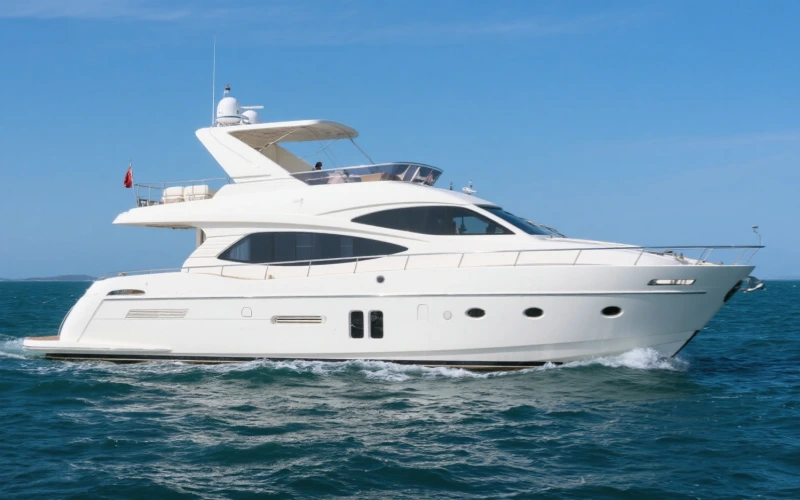
In my more than a decade of yacht brokerage, many buyers often face a key question: Should they buy a new or used boat?
Advantages of New Yachts
- Latest Technology: Propulsion systems, electronics, and comfort features are all state-of-the-art.
- Customizable Configuration: Choose interior materials, layouts, and additional equipment.
- Comprehensive Protection: Typically includes a manufacturer's warranty and full support from the broker.
Advantages of Used Yachts
- 20%–50% Lower Price: Avoids the rapid depreciation period of new yachts.
- Proven Performance: Actual usage history and maintenance records are available for reference.
- Quick Delivery: No need to wait for lengthy customization.
For first-time buyers, I typically recommend pre-owned boats that are 3–5 years old. They offer excellent value for money and, when well-maintained, provide an experience nearly as good as a new boat, while avoiding the rapid depreciation of the first few years.
8. Conclusion: Is a 40–60-foot Yacht Worth Buying?
For those seeking a luxurious lifestyle without the complexity and high costs associated with superyachts, a mid-sized yacht is an ideal choice.
Practical Advice
- Opt for a yacht around 50 feet in length, as it offers the best balance between space and cost.
- Set aside a budget of at least 1.2 times the purchase price to cover initial taxes, equipment, and the first year's operating expenses.
- Consider resale value before purchasing.
- Honestly assess how often you'll actually use the yacht.
A 40–60-foot mid-sized yacht is the most practical way to enter the world of luxury yachting. It strikes the perfect balance between cost, ease of use, and status symbol.
🔹 Ready to start planning your yacht purchase?
Buying a yacht is more than just choosing a boat—it's a significant lifestyle and financial decision.
A professional yacht broker can help you:
- Find the perfect 40–60-foot yacht that fits your budget
- Analyze the true value proposition of new vs. pre-owned yachts
- Provide a comprehensive 5-year ownership cost estimate
- Assist with negotiations, inspections, delivery, and ongoing management
👉 Contact us now: Get your personalized yacht plan and market listings
About the Author
Luna Rossi is a certified yacht broker (SAMS #SAMS-66562) with over 15 years of experience in yacht sales, valuation, and navigation. She specializes in helping clients make informed decisions across the global yacht market—balancing lifestyle, performance, and investment value.
Disclaimer
This article is for informational purposes only and does not constitute financial or legal advice. Yacht prices and ownership costs vary based on location, brand, configuration, and market conditions. Always consult professionals before making a purchase decision.
FAQ
Q1: How much does the annual cost of owning a 50-foot yacht typically amount to?
A: The annual operating costs for a 50-foot yacht range from approximately $80,000 to $250,000, depending on how often you use it, where you keep it, and whether you hire a captain.
Q2: What is the best yacht size for beginners?
A: A 40–50-foot yacht is the best choice for beginners. This size offers a stable sailing experience and ample living space without being too large to handle; many models can even be operated by a single person.
Q3: How many people can a 50-foot yacht accommodate?
A: A 50-foot yacht is typically designed to accommodate 8–12 guests for day cruises. For overnight stays, depending on the layout, it can usually provide comfortable accommodations for 6–8 adults.