The key decisions when purchasing a yacht centre on: choosing between a new or used vessel + financing structure + a professional pre-purchase inspection checklist. Following the correct decision-making process can significantly reduce the risk of hidden maintenance and ownership costs by approximately 30–50% in actual transactions.
First-time buyers should prioritise high-quality used yachts aged 5–10 years with a complete maintenance history to achieve better value for money;
High-net-worth individuals or those with specific customisation requirements may opt for a new yacht combined with a long-term instalment financing plan;
All buyers should utilise standardised survey procedures and inspection checklists to avoid hidden risks.
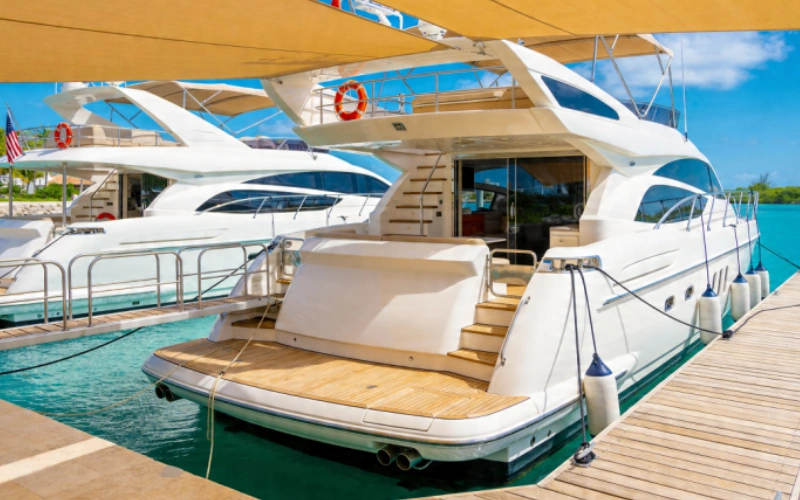
Key Decision Snapshot Table
| Decision Dimension | New Yacht | Used Yacht |
| Initial Cost | High | Medium-Low |
| Depreciation | Faster in the early stages | Has entered a stable phase |
| Risk Profile | Delivery, customisation, budget drift | Hidden maintenance costs, opaque history |
| Customisation Capability | High | Limited |
| Readiness for Use | Requires delivery lead time | Ready to use immediately |
| Value for Money | Medium | High |
New vs Used: What to Consider
New Yacht Analysis
In 2023, I was involved in the delivery of a new 45-metre luxury motor yacht. The process from contract signing to delivery took 18 months. The greatest challenge of the project was not the shipbuilding itself, but the frequent adjustments to customisation requirements: the client requested three major modifications during the design phase, resulting in construction costs ultimately exceeding the budget by approximately 12%; furthermore, multiple system commissioning and maintenance sessions were carried out within the first three months after delivery to ensure performance met standards.The core advantages of a new yacht lie in the latest technology and its pristine condition. A new yacht offers:
- The latest hull and propulsion designs
- A full manufacturer’s warranty (typically 2–5 years) and comprehensive after-sales service;
- Complete customisation capabilities, with everything from layout and interiors to propulsion systems tailored to the client’s requirements.
- These advantages translate to lower initial maintenance costs and enhanced operational efficiency through new technology.
Risks: Steepest depreciation in the first three years; lengthy delivery lead times; potential need for commissioning and optimisation during early operation.
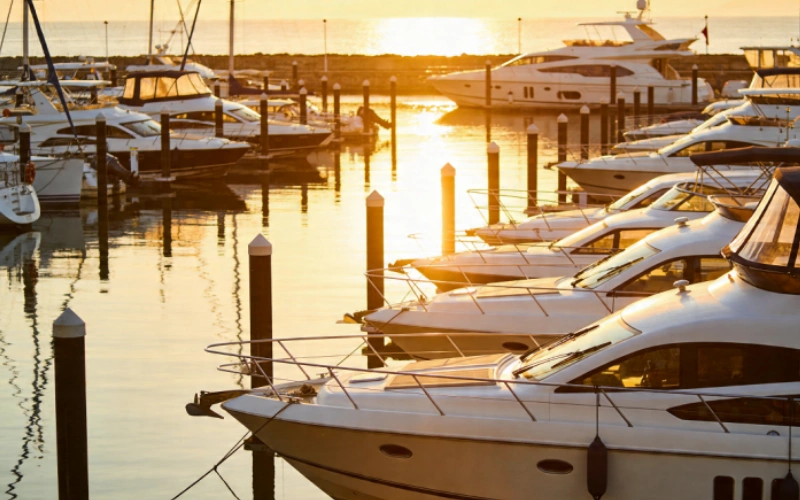
Used Yacht Analysis
Two years ago, I assisted a client in purchasing an 8-year-old second-hand Sunseeker 68 yacht in South Florida. The market price of the used yacht was approximately 38% lower than that of a new model, saving the client nearly 40% on the purchase cost.
Sunseeker Manhattan 68
- Length69.59 ft
- Cabins3
- Top speed30 kn
- TypeFlybridge yacht
The 2025 Sunseeker Manhattan 68 represents an evolution of the Manhattan series, featuring comprehensive enhancements to exterior lines, flybridge functionality, and interior flexibility.
However, due to incomplete maintenance records from the previous owner, additional repair costs amounting to approximately 6% of the purchase price were incurred post-purchase. Ultimately, the net saving was around 32%, but this case highlights the maintenance risks associated with pre-owned yachts.
Advantages: Used yachts are more affordable; depreciation is largely complete, resulting in more stable future value; delivery is swift, with no need to wait for construction; there is a wide range of options available, allowing immediate use.
Risks: The degree of wear and tear on systems such as engines, electrical systems and the hull varies; if maintenance records are incomplete, there may be unknown defects; customisation options are limited, and any modifications will incur additional costs.
Comparison of New and Used Yachts
| Dimension | New Yachts | Used Yachts |
| Budget control | Moderate | High |
| Delivery speed | Slow | Fast |
| Maintenance transparency | High | Depends on the completeness of documentation |
| Customisation scope | Extensive | Limited |
| Suitable for | High net worth individuals with strong customisation needs | First-time buyers prioritising value for money |
How to Choose the Right Yacht Size?
In my decade-plus of experience in the trade, one of the most common mistakes is that buyers first choose the brand, then the size, and only then consider the intended use. However, the correct order is exactly the opposite.Use Cases Determine Size
✔ Family Use
- Recommended: 30–45ft yachts
- Features: Easy to operate, low maintenance costs
✔ Business Hosting
- Recommended: 45–70ft yachts
- Features: Balanced space and social functionality
- Recommended: 70ft+ yachts
- Features: Fuel systems and storage capacity are more critical
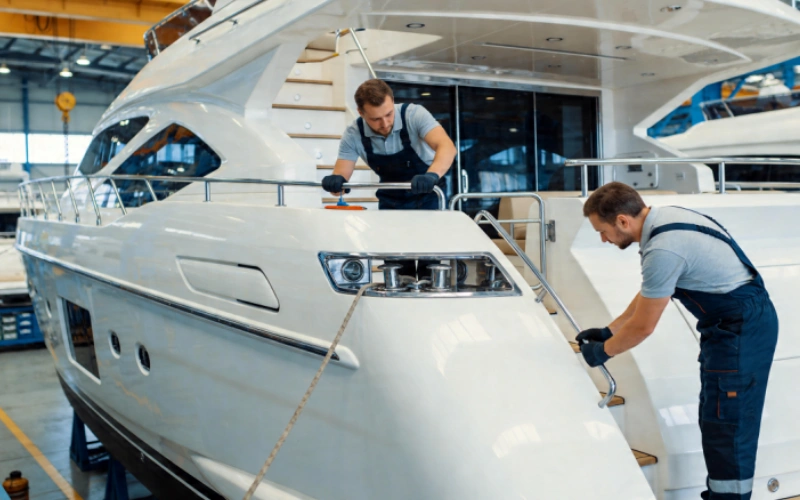
Yacht Costs
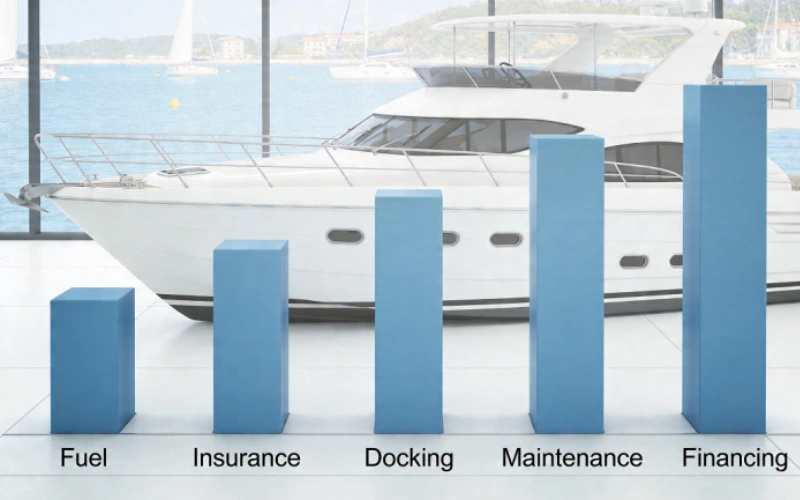
NMMA data clearly indicates that yacht costs extend beyond the purchase price to include:- fuel
- insurance
- docking
- maintenance
- financing
| Size Range | Average Annual Ownership Cost Trend |
| 30–40ft | Low |
| 40–60ft | Medium |
| 60–80ft | High |
| 80ft+ | Extremely High |
👉 Get expert yacht recommendations
In actual client transactions, I always advise first-time buyers not to ‘go straight for the biggest boat’!
The reasons are very practical:
- Limited mooring availability
- Increasing operational complexity
- Non-linear growth in maintenance costs
Budget Planning and Financing Options
Before purchasing a yacht, budget planning involves more than simply determining ‘how much you can afford’; it requires a comprehensive assessment of purchase costs, operating costs and financing structures. Many first-time buyers tend to focus solely on the listed price, but the true total cost of ownership may be 30%–60% higher.Understanding the Real Cost of Yacht Ownership
Yacht costs fall into three categories:- Purchase Price: The final price paid for a new or pre-owned yacht
- Operating Costs: Mooring fees, fuel, maintenance, insurance
- One-off Costs: Registration, survey, delivery, upgrades and refits
Typical Budget Breakdown
| Yacht Size | Purchase Price Range | Annual Running Cost (Est.) |
| 30–40 ft | $150,000 – $600,000 | $15,000 – $80,000 |
| 40–60 ft | $500,000 – $2M | $50,000 – $250,000 |
| 60ft+ | $2M – $10M+ | $200,000 – $1M+ |
👉 Browse more yachts for sale
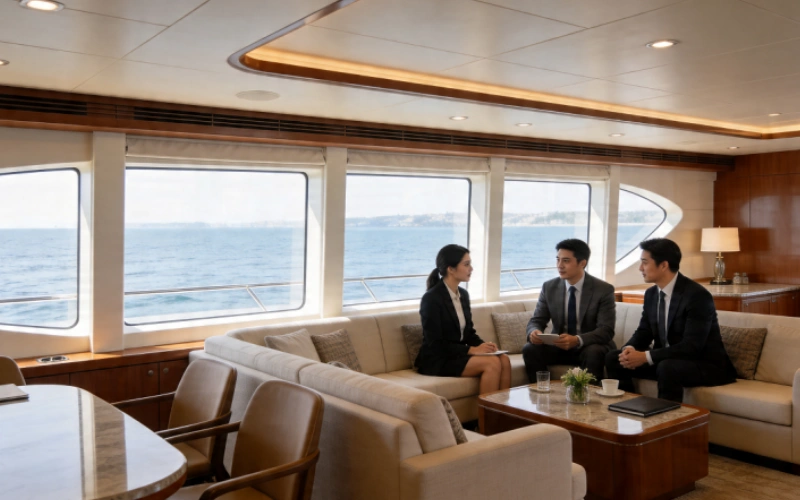
Yacht Financing Guide
Budget planning is just as important as the decision to purchase a yacht. Below, I will outline the main financing options and compare the differences between paying in full and taking out a loan.Paying in Full:
- Advantages: The simplest transaction process; no interest payments; clear procedures for both buyer and seller; greater bargaining power during the purchase process.
- Disadvantages: A large lump sum payment is required, creating significant short-term financial pressure; high opportunity cost of tied-up capital; and a lack of leverage.
Many marine banks and financial institutions offer yacht loans, with the following key features:
Common structure: Down payment of 20%–40%; loan terms can range from 5 to 20 years, with larger new yachts often qualifying for longer terms; interest rates vary depending on the borrower’s creditworthiness, region and financial markets, generally ranging from 6% to 10%. Taking the US as an example, institutions such as Navy Federal offer interest rates as low as 6.95% for three-year loans on new yachts, and approximately 7.45% for three-year loans on pre-owned yachts.
Suitable for: Clients keen to retain liquidity; buyers planning to pool funds with others or treating the yacht as part of their family’s asset allocation; or those intending to purchase a new yacht before selling their existing vessel.
Risks and considerations: Cross-border yacht purchases require attention to currency fluctuations and local taxes; in certain regions, VAT or sales tax must also be taken into account;
Most loans require the yacht to be used as collateral, necessitating a survey, valuation and insurance. Different banks have strict assessment criteria regarding the yacht’s class, builder and intended use;
While a loan alleviates initial cash flow pressure, accumulated interest increases the total long-term cost. Additional fees in the loan agreement should also be carefully compared.
Financing vs. Paying in Full Comparison
| Option | Cash Flow Pressure | Flexibility | Long-term Cost |
| Paying in Full | High | Medium | Low |
| Loan | Medium | High | Medium–High |
✅ Take Action Now: If you require professional yacht financing planning or wish to enquire about the latest loan rates, please click [Contact Us] or call our enquiry hotline.
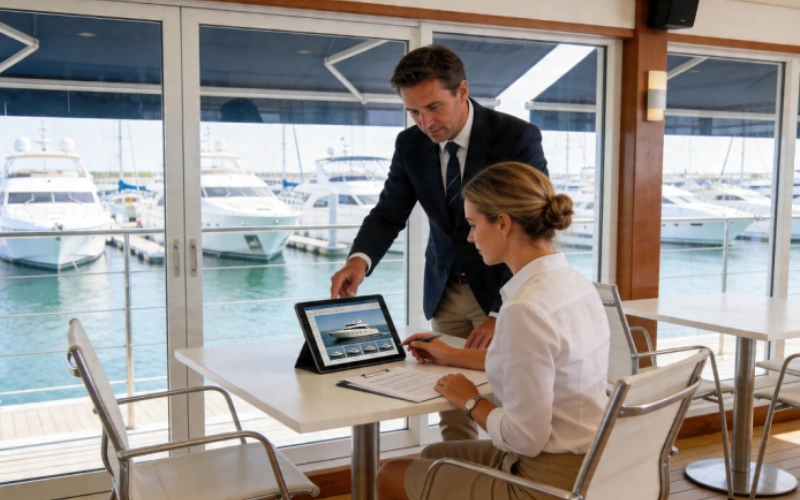
How to Buy a Yacht Step by Step?
As a yacht broker with over 10 years’ experience, and as the owner of several yachts myself, I can tell you with certainty: the vast majority of buyers do not buy with the wrong intention, but rather ‘in the wrong order’.The process outlined below is a standard approach I have repeatedly validated whilst successfully guiding clients through yacht purchases, and it reduces risk by 30–50%.
Step 1: Define Your Real Usage Scenario
Many people start by looking at brands and sizes; this is a classic mistake.I usually start by asking clients three questions:
- How many days a year do you plan to use it?
- Will it be used for family leisure, parties or long-distance cruising?
- Do you need to sail across the open sea?
📌 Key takeaway: Determine ‘usage frequency + scenarios’ first, then discuss size and budget.
Step 2: Set a Total Budget
90% of first-time buyers only consider the ‘purchase price’ before buying a yacht – this is the biggest misconception.You must calculate:
| Cost Type | Percentage (Empirical) |
| Purchase Price | 100% |
| Annual Maintenance Costs | 8–12% |
| Mooring fees | 5–10% |
| Insurance | 1–2% |
For a 60ft yacht, annual maintenance, mooring and insurance costs range between $80,000 and $150,000.
Step 3: Decide Between New vs Used Yacht
This is the crucial decision point that all buyers struggle with.My decision-making logic based on actual transactions:
New vs Used Yacht: Which Should You Choose?
| You are better suited to | Choose |
| Want to save money and prioritise value for money | Pre-owned yacht |
| Want a bespoke build and prioritise condition | New yacht |
| Don’t want to bear depreciation costs | Pre-owned yacht |
| Want a ‘zero-hassle’ experience | New yacht |
Step 4: Shortlist Brands and Models
Many people are drawn to ‘niche’ yachts, but these have extremely poor resale value. You must remember that you are not just buying a boat, but also securing a future ‘exit route’.I usually advise clients to focus solely on these types:
- Established mass-market brands
- Active secondary market
- Well-established maintenance network
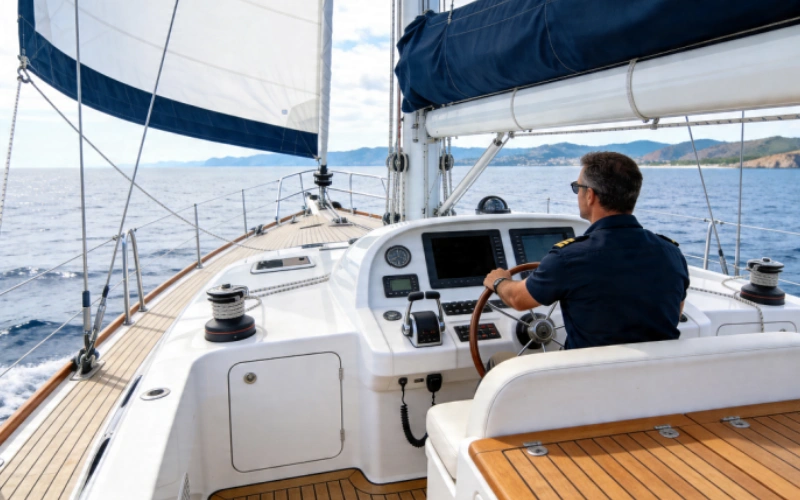
Step 5: Conduct Sea Trial and Professional Survey
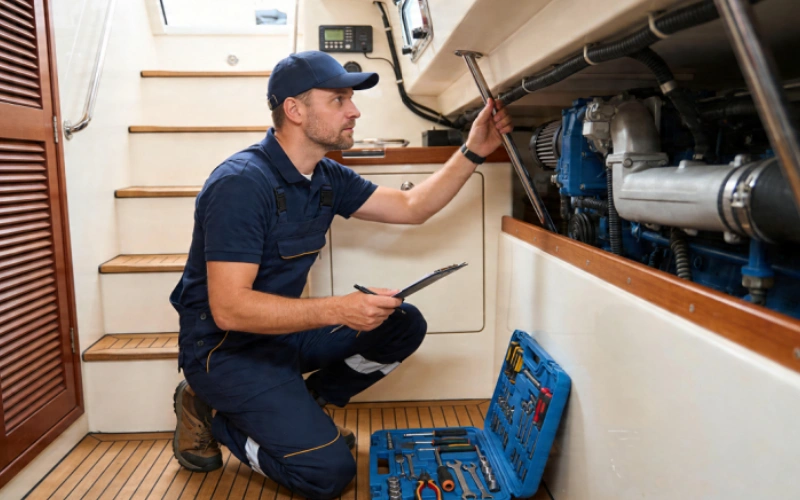
This is the one step you absolutely must not skimp on. Never skip the survey, even if the seller claims the yacht is in ‘perfect condition’.This includes: Sea trial, hull structure inspection, engine inspection, electrical system check
Step 6: Negotiate the Deal
Price isn’t the only thing you can negotiate.You can negotiate: price, repair responsibilities, accessories (tender / toys), and delivery terms
Step 7: Close the Deal and Handle Legal/Registration
This final step is often underestimated, yet carries significant risk.You’ll need to handle: contracts, title transfer, registration, and tax issues
Regulations vary greatly by region. Therefore, be sure to use a professional lawyer or brokerage team to complete the closing.
Step 8: Plan Ownership and Exit Strategy
Buying a yacht is not the end, but the beginning. You need to consider in advance: whether to enter the charter market, how to control maintenance costs, and whether to sell within the next 3–5 yearsI have clients who, through sensible maintenance and good market timing, sold their yachts after three years for close to the original price.
Knowing how to buy a yacht is important, but knowing how to sell one is what sets the true experts apart.
Best Yacht Type for Buyers
Choosing the right type of yacht is a key factor in the buyer’s decision-making process. Different yacht categories cater to vastly different ownership goals, budgets, and usage patterns.| Type | Best For | Budget Level |
|---|---|---|
| Motor Yacht | All-around use, cruising, long trips | $$ |
| Flybridge Yacht | Family leisure, outdoor visibility, social cruising | $$$ |
| Sport Yacht | High-speed performance, short trips | $$ |
How to Choose the Right Type?
- Motor Yacht → Best entry point for most buyers; balanced performance and comfort
- Flybridge Yacht → Ideal for families and entertaining guests on deck
- Sport Yacht → Suitable for experienced owners who prioritize speed and agility
Yacht Buying Checklist
A professional yacht buying checklist ensures every key risk area is reviewed before purchase. Skipping this stage is one of the main reasons buyers face unexpected maintenance costs after acquisition.- Core Yacht Buying Checklist
- Hull condition inspection (cracks, osmosis, structural fatigue)
- Engine and propulsion system testing (hours, service history, oil analysis)
- Electrical systems check (navigation, batteries, generators)
- Full legal documentation review (title, VAT status, ownership chain)
- Sea trial performance validation (speed, vibration, steering response)
- Survey report by certified marine surveyor
- Maintenance log verification (minimum 3–5 years history recommended)
Final Checklist Before Buying
Once you have selected your target yacht, be sure to check the following modules one by one to avoid purchasing a problematic vessel. The table below summarises the key inspection modules along with their risk levels and importance:| Inspection Module | Risk Level | Necessity of Inspection |
| Hull Structure | High | Essential |
| Propulsion System | High | Essential |
| Electrical and Marine Systems | Medium | Essential |
| Legal and Documentation | Very High | Essential |
| Interior and Equipment | Medium | Recommended |
Conclusion
Buying a yacht involves far more than simply choosing which one to purchase; the key lies in guiding every step with a sound decision-making framework. Choosing the wrong yacht often incurs costs far exceeding the purchase price itself. In the market, every yacht has its own story, and what you need to do is see through to the truth behind these stories from the very outset.👉 Ready to take action? To find out more about yachts currently for sale, please feel free to contact us at any time!
About the Author
Emery
Yacht Broker / Yacht Transaction Consultant / Contributing Writer for Yachting Magazine
SAMS Certified Surveyor No.: AMS #2458
Named one of the ‘Top 10 Experts in the Asian Yacht Industry’ and recipient of the ‘Yacht Broker Outstanding Service Award’, amongst others
Last updated: April 2026
Target Audience: Suitable for first-time buyers, families interested in new and pre-owned yachts, and buyers planning financing and budgets
Disclaimer
All content provided in this article is for general information and educational purposes only and does not constitute investment advice, legal advice or the sole basis for any decision regarding the purchase of a yacht. Yacht prices, financing rates, operating costs and market data may vary depending on region, time, yacht model, configuration and market fluctuations; the information provided herein is not guaranteed to be entirely up-to-date or absolutely accurate.
Before making any decision regarding yacht purchase, financing or transactions, readers should conduct their own thorough research and consult qualified professional yacht brokers, financial institutions, surveyors and legal advisers to obtain expert advice tailored to their individual circumstances. Neither the author of this article nor the publishing platform shall be liable for any direct or indirect losses arising from the use of the information contained herein.
The case studies and experiences shared in this article are provided solely as industry reference examples and do not represent a commitment to future market performance or outcomes. All yacht purchases involve risks, which must be assessed and borne by the buyer.
FAQ
Q1: Which is better value for money: a new yacht or a used yacht?
A: Used yachts offer better value for money, as they have already passed the steepest phase of depreciation, allowing you to purchase a vessel of the same size and specification for a relatively lower cost.
Q2: Can I take out a loan to buy a yacht?
A: Absolutely. In fact, yacht loans are very common, with approximately 50% of yacht purchases involving financing.
Q3: What are the biggest hidden costs when buying a yacht?
A: Apart from the purchase price, maintenance and operating costs are the largest hidden expenses. Annual maintenance costs for a yacht amount to approximately 5–10% of the purchase price, covering routine mechanical servicing, hull painting, system maintenance and more.