When purchasing a yacht, you need to comprehensively consider your budget, intended use, boat type, and long-term ownership costs. In addition to the purchase price of the vessel, you’ll need to plan ahead for expenses such as insurance, maintenance, mooring, fuel, and equipment upgrades. First-time buyers are advised to first clarify their intended use, then select a yacht of appropriate size and type based on their budget, and complete a boat inspection, test sail, and review of relevant paperwork before purchasing to minimize future ownership risks.
How Much Should You Budget Before Buying a Yacht?
Buying a yacht is a long-term ownership and lifestyle commitment rather than a one-time purchase.While many first-time buyers focus on the listed price of the vessel, actually owning a yacht requires considering ongoing costs such as insurance, maintenance, mooring, fuel, and equipment upgrades.
Based on broad market observations and publicly available yacht listings, yacht prices vary widely, ranging from small recreational boats costing hundreds of thousands of dollars to luxury yachts valued at several million dollars or more. Therefore, establishing a reasonable budget model before finalizing a purchase is more important than simply focusing on the purchase price.
yacht purchase planning typically divides the budget into three parts:
- Initial purchase cost;
- Annual operating costs;
- long-term maintenance and refit costs.
Yacht purchasing decisions are influenced by a variety of factors, including the owner’s income level, vessel type preferences, and the economic environment.
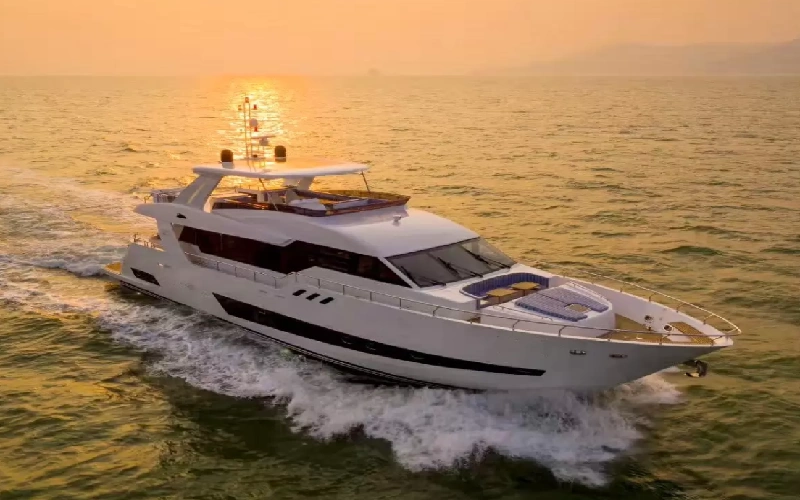
Indicative New Yacht Price Ranges by Size
A yacht’s size typically has a direct impact on its price range, as an increase in length not only means more living space but also more complex propulsion systems, electronics, and maintenance requirements. Below is a reference guide to common yacht sizes and prices on the market:
|
Size | Typical Use | Indicative New Yacht Price Range |
|---|---|---|
| Premium new recreational yachts under 30 ft |
Weekend recreation, coastal activities | approximately $150,000–$400,000 |
|
30–50 ft |
Family cruising, short-distance travel |
$400,000 – $1,800,000 |
|
50–80 ft |
Luxury cruising, long-term travel |
$1,800,000 – $5,500,000 |
|
Over 80 ft |
High-end private voyages |
Starting from $5,500,000 |
This table provides a selection of general reference price ranges for new, mass-produced yachts and does not include any additional fees. Actual prices are subject to factors such as brand, year of construction, propulsion system, interior finish standards, and market supply and demand. Prices for custom-built and specialty yachts may exceed these ranges; this table is provided for budgetary reference only.
Key Factors Affecting Yacht Prices
Yacht prices are not determined solely by length; even yachts of the same size but different models may vary significantly in price. Many first-time buyers tend to estimate their budget based solely on the yacht’s length, overlooking other key factors, which can ultimately lead to budget discrepancies. Hull size serves only as a basic reference standard; factors such as the yacht’s age, design type, hardware configuration, and brand positioning can all significantly widen the price gap among yachts of the same size and must be comprehensively considered when establishing a purchase budget.
Yacht Age
New yachts typically feature the latest designs and modern navigation equipment, are built to regulatory standards, and require less maintenance in the short term, but come with a higher purchase cost. Pre-owned yachts offer more flexible pricing and a lower entry barrier, but buyers must carefully inspect the overall condition of the hull, equipment wear and tear, and any history of insurance claims. For yachts of the same size, a well-maintained, low-usage pre-owned yacht will command a higher price than one with severe wear and tear and no maintenance records.Yacht Design
Motor yachts, sailboats, catamarans, and ocean-going cruisers differ significantly in structural design and construction costs. Catamarans offer the advantages of spacious interiors and excellent stability; ocean-going cruisers prioritize range, hull strength, and reliability on long voyages; while luxury motor yachts emphasize speed, handling performance, and comfort at sea. Since the materials used and the complexity of construction vary by yacht type, this naturally results in price segmentation.
Equipment Level
Equipment specifications directly influence a yacht’s total price, encompassing engine models, propulsion system specifications, navigation systems, audio-visual and entertainment facilities, interior finishing materials, and various customization options. There is often a significant difference in the final sale price between a base-model yacht and one of the same model fully equipped with high-end options.
Brand Value
Many internationally renowned yacht brands, backed by mature designs, exquisite craftsmanship, comprehensive global after-sales service systems, and high market recognition, not only command higher prices for new yachts but also demonstrate superior resale value in the used market. Less widely recognized brands may have a narrower resale market, although build quality, maintenance history, specification and shipyard reputation can sometimes outweigh brand size.
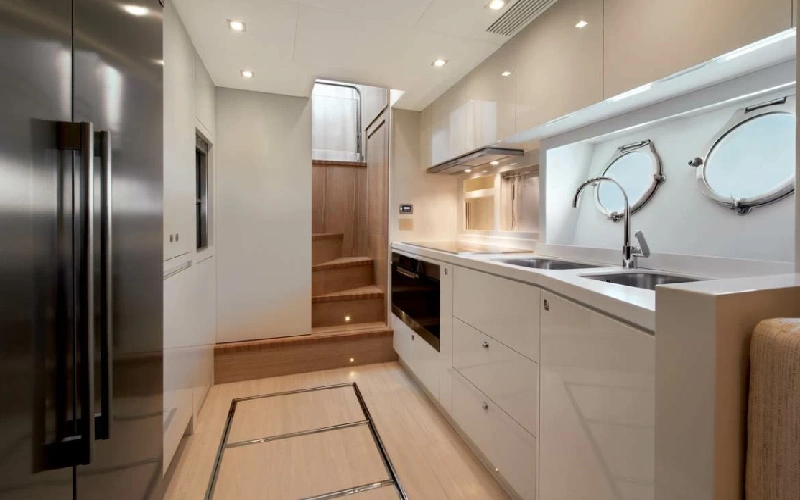
Analysis of the True Cost of Owning a Yacht
Purchasing a yacht does not mean the investment is complete; the true ownership experience often begins only after delivery. In addition to the initial purchase price, owners must also bear long-term expenses such as insurance, maintenance, marina fees, fuel costs, equipment upgrades, and day-to-day management. These ongoing expenses directly impact how frequently the yacht is used and the long-term financial burden of ownership, and they are critical factors that must be carefully evaluated before purchasing a yacht. Generally speaking, the long-term cost of owning a yacht primarily includes the following aspects:
| Cost Category | Main Content | Influencing Factors |
| Insurance Costs | Hull insurance, liability insurance, etc. | Vessel value, vessel age, navigation area |
| Maintenance & Upkeep | Maintenance of engines, hull and electronic equipment | Vessel type, frequency of use, equipment complexity |
| Berthing & Storage Fees | Port berthing, winter storage, etc. | Region, marina grade, vessel length |
| Fuel Costs | Energy expenditure for daily navigation | Engine type, navigation time |
| Management Fees | Crew, cleaning, professional services | Yacht size and usage pattern |
When planning to purchase a yacht, it is recommended that owners calculate the total cost of ownership for the next 3–5 years in advance. For medium- to large-sized yachts, long-term operational capabilities often have a greater impact on the actual user experience than the initial purchase price. Use our multi-year yacht ownership budget guide to bring acquisition costs, annual expenses and expected resale value into one estimate.
How much should you budget for insurance?
Yacht insurance is a significant component of long-term ownership costs that should not be overlooked. Insurance premiums are not typically calculated based on a single standard but are influenced by multiple factors, including the vessel’s value, size, age, cruising area, the owner’s experience, and the scope of coverage. Generally, insurance premiums for small recreational boats are relatively low, while those for medium- and large-sized yachts—due to their higher asset value and maintenance costs—tend to be correspondingly higher. Common factors affecting insurance premiums include:
| Influencing Factors | Impact on Insurance Costs |
| Vessel Value | The higher the vessel value, the higher the insurance coverage limit usually is |
| Vessel Age | Older vessels may require more extensive risk assessment |
| Navigation Area | Higher-risk navigation areas may affect the insurance premium |
| Usage Pattern | Commercial operation usually has more complex requirements than private recreational use |
| Owner's Experience | The vessel operator's driving experience may affect the insurance risk assessment |
Insurance companies take all of the above factors into account when calculating risk, which ultimately determines the yacht insurance quote. Since assessment criteria vary among different insurers, yacht owners should consult multiple providers—taking into account their vessel’s specific conditions and sailing plans—before purchasing a policy to select a coverage plan that best meets their needs.
How Much Does Annual Maintenance Cost?
Yacht maintenance is an ongoing expense associated with long-term ownership. Unlike ordinary cars, yachts are constantly exposed to a humid, high-salinity marine environment, requiring regular hull anti-corrosion treatment, mechanical equipment inspections, and electronic system maintenance to slow down component corrosion and aging. Routine maintenance includes engine servicing, hull cleaning and anti-fouling coating, inspection of electrical wiring and navigation equipment, and servicing of onboard air conditioning, kitchen, and bathroom facilities. Additionally, safety equipment such as lifesaving and firefighting gear must be inspected regularly.
Annual maintenance costs for yachts vary greatly depending on the size of the vessel. Maintenance for small recreational boats is relatively straightforward; family cruisers are equipped with more equipment and require regular inspections; luxury yachts are equipped with a large number of complex systems, most of which must be operated and maintained by a professional team. The market generally estimates annual maintenance budgets as a certain percentage of the yacht’s purchase price, but actual expenses are ultimately influenced by factors such as the yacht’s age, frequency of use, and maintenance standards.

How Are Mooring and Operating Costs Calculated?
After purchasing a yacht, mooring fees are typically one of the fixed expenses. Mooring costs are influenced by the following factors:
- Country and region;
- Port location;
- Vessel length;
- Level of marina services.
Generally, fees tend to be higher in popular coastal cities and high-end yacht marinas.
In addition to marina fees, operating costs include:
- Fuel costs;
- Cleaning costs;
- Crew costs;
- Maintenance service costs.
A Detailed Guide to the Yacht Purchase Process
Purchasing a yacht typically involves multiple steps, including needs analysis, yacht model selection, market screening, yacht inspection, the transaction itself, and subsequent registration and insurance. Compared to ordinary consumer goods, yachts are high-value assets, making the purchasing process more complex. A complete yacht purchase process typically includes:
- Identify requirements and select a model
- Submit a quote
- Sign the purchase agreement
- Pay the deposit in accordance with the agreed-upon management plan
- Conduct inspections and sea trials
- Complete acceptance, renegotiate, or terminate the transaction in accordance with the contract terms
- Complete the transfer of ownership, registration, and delivery procedures
One of the greatest risks in the yacht-purchasing process is focusing solely on appearance and specifications while neglecting the vessel’s actual condition. Therefore, professional vessel inspection and document review are typically indispensable steps.

Defining Your Needs and Choosing a Boat Model
Many first-time yacht buyers tend to start by thinking about “which boat they like,” but a more sensible approach is to begin by considering “how they will use the boat in the future.” For example, users who primarily use their boat for weekend family outings have different needs regarding space, range, and equipment configurations than those planning cross-ocean voyages or extended stays aboard.
Weekend Leisure and Recreation
Many enthusiasts purchase boats solely for short, inshore trips, seeking a relaxed and flexible boating experience without the need for complex long-distance cruising equipment. Since these outings are typically short, the priority should be on yacht models that are easy to handle and convenient to dock. For example:
- Small power yachts;
- Sports Motor Yacht;
- Day cruisers.

ChrisCraft Sportster 28
- Length28 ft
- Top speed30 kn
- TypePower yacht
The 2026 Chris-Craft Sportster 28 delivers a sophisticated blend of iconic design and contemporary technology, offering an exceptional day boating experience. Featuring an Ivory Cream painted hull and Premium Cool Touch upholstery, this model incorporates advanced stability and handling systems including Seakeeper Ride 525 and a bow thruster.
Features: Easy to operate, low-maintenance, and suitable for a variety of inshore recreational activities.
Family Vacations
Designed primarily for multi-person offshore living and short-distance cruising, these trips place higher demands on onboard living space and sailing stability, making boat models with comprehensive living facilities the preferred choice. For example:
- Cruisers;
- Flybridge yachts;
- Catamarans.
2027 Princess Y72
- Length74.90 ft
- Cabins4
- Top speed32 kn
- TypeFlybridge yacht
Princess Y72 is a classic 72-foot luxury motor yacht from the Y-Class series of Britain’s Princess Yachts, focusing on high-end leisure and comfortable living, and is a benchmark model in the mid-to-large luxury yacht market. The hull is made of high-strength fiberglass with an optimized deep-V hull design, equipped with twin Volvo diesel engines, balancing strong power and sailing stability. The interior inherits Princess Yachts’ classic modern luxury style, with a spacious and flexible layout, 3-4 luxurious cabins, and high-end audio-visual and intelligent ship control systems, comfortably accommodating 8-10 people. Positioned in the mid-to-high-end market, it features exquisite craftsmanship and comprehensive configuration, suitable for multi-scenario leisure and social needs.
Features: Offers a spacious and comfortable interior, ideal for extended voyages with a large crew.
Long-Distance Cruising
Designed for cross-regional voyages and multi-day sea trips, these vessels must navigate complex and ever-changing marine environments, placing stringent demands on their overall seagoing performance. For example:
- Ocean-going cruisers;
- Explorer yachts.
2027 STELLARPM StellarCAT SF2603
- Length85.67 ft
- Cabins4
- Top speed21 kn
- TypeCatamaran yacht
The 2027 STELLARPM StellarCAT SF2603 is a high-volume, all-aluminum sportsfisher catamaran with exceptional range and deck space. Its twin Volvo Penta IPS 1200 engines provide efficient cruising at 19 knots, while the tri-deck layout and 44 sqm cockpit cater to serious anglers. This yacht is a strong option for those seeking long-range capability in a modern, well-built package.
Features: Emphasis on range, coupled with high standards for the reliability of the vessel’s equipment.
Finding a Yacht Broker or Sales Channel
During the yacht-buying process, a professional broker can help buyers:
- Screen yacht models that meet their needs;
- Understand market prices;
- Assist with negotiations;
- Arrange for yacht inspection services.
The International Yacht Brokers Association notes that professional brokerage services can help both buyers and sellers complete the transaction process more efficiently. When selecting a yacht broker, key factors to consider include industry experience, market resources, specialized knowledge of the target yacht model, and the comprehensiveness of the service scope.
Yacht Inspection and Transaction Process
Yacht inspection is a critical step in the purchase of a pre-owned or high-value yacht. It primarily involves inspecting the hull structure, testing engine performance, examining the electrical system, and conducting a sea trial. A report issued by a professional surveyor helps buyers clearly understand the vessel’s current condition, identify potential repair items, and estimate long-term maintenance needs.
Completing Registration and Insurance
Completing the yacht transaction does not mean the entire process is over; the owner must still complete a series of legal and operational procedures. Standard procedures include vessel registration, transfer of ownership, purchasing marine insurance appropriate for the vessel’s intended area of operation, and obtaining berthing permits at relevant ports. Maritime regulations vary significantly from country to country, and different regions have varying requirements regarding vessel registration documents, navigation qualifications, and minimum insurance coverage limits. It is essential to familiarize yourself with local policies well in advance of setting sail to avoid any disruptions to normal navigation due to incomplete paperwork.
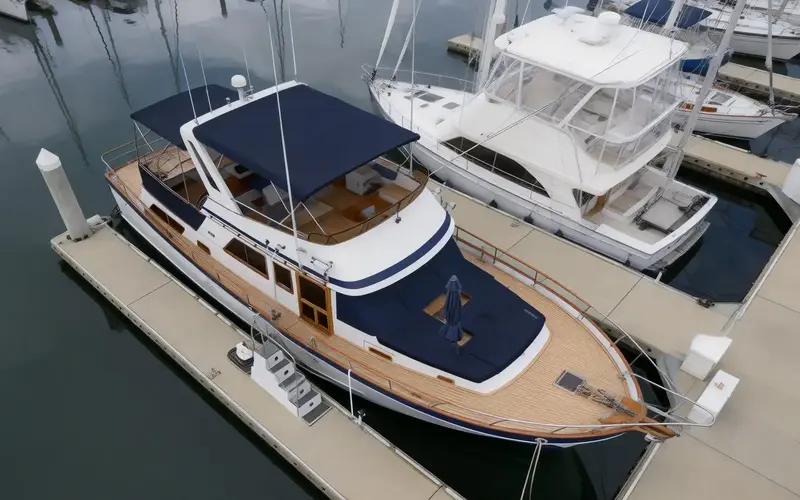
How Much Does It Cost to Own a Yacht for a Year?
Annual expenses after purchasing a yacht typically depend on the vessel’s size, value, frequency of use, and mooring location. In addition to the purchase price, owners must also cover ongoing costs such as insurance, maintenance, docking fees, fuel, cleaning, and equipment repairs.
Indicative ranges compiled from publicly available yacht listings and industry pricing references, the annual cost of ownership for a small recreational boat is typically around $5,000–$20,000 per year; for medium-sized family cruisers, a budget of around $20,000–70,000 per year is generally required; whereas for million-dollar luxury yachts, due to higher standards of maintenance, professional services, and crew management, annual operating costs can reach over $70,000, with some large yachts even exceeding hundreds of thousands of dollars per year. A common reference range for annual costs is as follows:
| Vessel Class | Reference Annual Ownership Cost |
|---|---|
| Under 30 ft | $5,000–$20,000+ |
| 30–50 ft | $20,000–$70,000+ |
| 50–80 ft | $70,000–$250,000+ |
| 80 ft and above | Highly variable; typically amounts to several hundred thousand dollars per year |
Price Disclaimer:
The fees listed in this article are provided solely as a reference for the industry. Actual yacht ownership costs vary depending on the yacht model, usage scenarios, and regional policies. This information is for reference only and does not serve as a standard for transaction pricing.
Some yacht owners use a certain percentage of the yacht’s value as a preliminary planning reference, but this cannot replace a specific operating budget tailored to that vessel. For high-value yachts, annual costs may also include:
- Salaries for professional crew;
- Regular hull maintenance;
- Upgrades to navigation and electronic equipment;
- Yacht management services;
- Long-distance transport or storage fees.
Key Items to Inspect Before Purchasing a Yacht
When purchasing a yacht—especially a pre-owned one—conducting a professional inspection helps buyers fully understand the vessel’s true condition, effectively mitigate the risk of costly repairs down the line, and avoid purchasing a vessel with hidden defects.
Hull Structure Inspection
The hull is the foundation of a yacht’s safe navigation. Key inspection points include checking for cracks, potential water leaks, the overall structural condition of the keel, and the effectiveness of anti-corrosion protection. For yachts that have been moored in seawater for extended periods, the hull is constantly exposed to salt spray corrosion, making proper maintenance particularly critical. Industry experience warns against relying solely on visual inspection to assess the vessel’s condition; many hidden structural damages in underwater areas and internal compartments can only be detected using professional instruments and underwater inspection methods.
Engine Condition Inspection
The engine is the yacht’s most valuable component. It is essential to verify total operating hours, complete maintenance records, actual operating conditions, and the performance of the cooling system. Since engine overhauls and component replacements are generally costly, a comprehensive pre-purchase inspection is indispensable. Rather than simply observing the engine’s exterior, carefully reviewing consistent maintenance records and conducting a sea trial provide more meaningful insights into the engine’s remaining service life.
Electronic Equipment Inspection
Modern yachts are equipped with numerous electronic systems, including GPS navigation, radar, autopilots, and onboard communication devices. Upgrading or replacing various navigation sensors and accessories can be costly. When purchasing a yacht, it is essential to power on and test each device individually to confirm that all equipment operates reliably. At the same time, pay attention to equipment models and years of use to anticipate future upgrade and replacement costs.
Conclusion
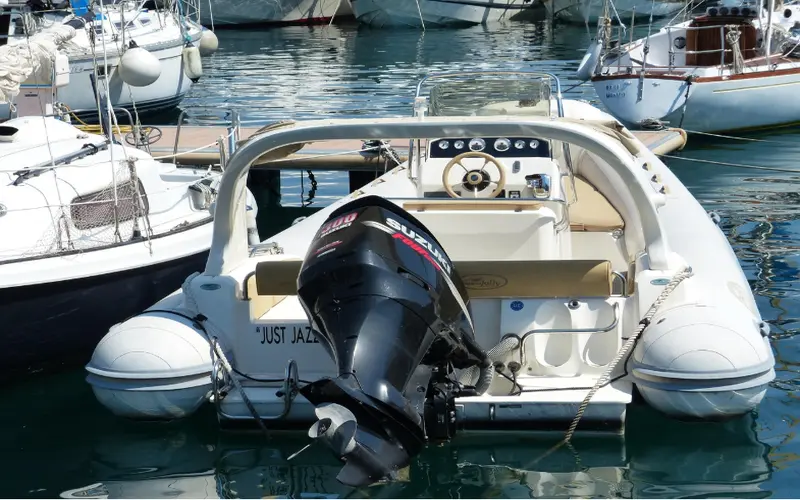
Buying a yacht is not just about choosing a boat; it’s about planning a long-term lifestyle at sea. For most yacht owners, what truly impacts the ownership experience is not the one-time purchase price, but whether they can continue to use the yacht comfortably over the coming years.
From the perspective of yacht industry research, a well-informed purchasing decision typically focuses on three key aspects: asset suitability, utilization efficiency, and long-term management capabilities. A yacht that is right for you does not necessarily have to be the largest or feature the most luxurious specifications; rather, it should strike a balance between daily use, maintenance costs, and personal needs.
Furthermore, with the development of smart yacht technology and shared usage models, modern owners are increasingly focusing on a yacht’s practical value. For example, some owners improve their vessel’s utilization by carefully planning sailing schedules, selecting suitable mooring locations, or utilizing professional management services; others prioritize future resale value, factoring in brand recognition, maintenance records, and vessel condition management into their purchasing decisions. 👉 View yacht model recommendations tailored to your needs.
Disclaimer
The content of this article is intended solely for the purpose of sharing information about the yacht industry and providing a reference for yacht purchasing. It does not constitute investment, purchasing, or insurance advice. Prices, specifications, and market information cited in this article are compiled from publicly available sources and may vary depending on region, market conditions, and actual specifications. Please refer to data provided by relevant institutions for specific details. Before purchasing a yacht, it is recommended that you consult a professional and conduct an independent inspection of the vessel and verification of the relevant documentation. Neither the author nor this platform assumes any liability for decisions made or losses incurred as a result of using the information in this article.
About the Author
Andrew Rogers has long tracked global trends in the yacht industry, specializing in yacht market research, brand analysis, yacht model evaluations, and content creation related to yacht purchases. By compiling industry data, market reports, and publicly available information, he continuously analyzes the characteristics of different yacht models, price fluctuations, ownership costs, and user needs to provide readers with objective and easy-to-understand insights into the yacht industry.
The specific buyer shall clarify which party the broker represents, the composition method of commissions, and whether any conflicts of interest exist. A broker cannot substitute for an independent marine surveyor or maritime lawyer.
FAQ
Q1: How much does it cost to buy a 50-foot yacht?
A: The price of a 50-foot yacht is typically influenced by the brand, year, specifications, and condition of the vessel. Market prices can range from several hundred thousand to several million dollars. Additionally, you’ll need to factor in ongoing costs for insurance, maintenance, and mooring.
Q2: What percentage of the purchase price do annual yacht maintenance costs account for?
A: Yacht maintenance costs depend on the vessel’s size, frequency of use, and the complexity of its equipment. They typically require a case-by-case assessment based on the specific model, and it’s important to plan an annual maintenance budget in advance.
Q3: Do I need to use a broker to buy a yacht?
A: It is not mandatory to use a broker when purchasing a yacht, but a professional broker can help screen available vessels, evaluate prices, coordinate inspections, and manage the transaction process, thereby reducing information asymmetry.
Q4: Can I finance the purchase of a yacht?
A: Some buyers can purchase a yacht through a boat loan, but they need to comprehensively consider the down payment, interest rate, repayment burden, and subsequent operating costs.
Q5: Is it better to buy a new or used yacht?
A: New yachts feature the latest specifications and offer a wider range of options, while used yachts offer more flexible pricing. The specific choice should be based on your budget, usage needs, and maintenance capabilities.