



A trawler boat is a long-range, fuel-efficient motor yacht designed for comfortable cruising, liveaboard life, and extended offshore travel. It is built for endurance rather than speed, making it one of the most practical yacht types for long-distance cruising and ocean passagemaking.
In 2026, most trawler yachts range from 35ft to 80ft, with prices starting around $300,000 for used compact models and exceeding $10 million for luxury expedition trawlers.
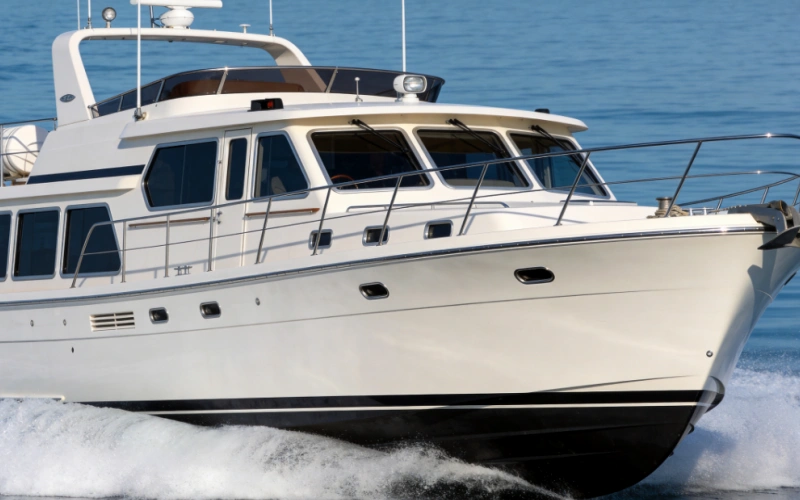
Quick Reference Table for Trawler Boat Prices (2026)
| Type | Typical Size | Price Range | Best For |
| Compact Trawler | 35–45ft | $300k–$1M | Couples / Weekend cruising |
| Mid-Size Trawler | 45–60ft | $1M–$3M | Family cruising / Liveaboard |
| Expedition Trawler | 60–90ft | $3M–$15M+ | Ocean crossing / World cruising |
| Luxury Trawler Yacht | 70–100ft | $5M–$20M+ | Long-term luxury living |
👉 View Trawler Boats for Sale.
What Is a Trawler Boat?
In my professional experience, a trawler boat is not, by its very nature, a ‘high-speed yacht’, but rather a ‘long-range living platform’.Its design philosophy is very clear: it does not prioritise speed, but rather ‘going far, staying long and sailing steadily’.
The Original Meaning of “Trawler”
The term “Trawler” originally referred to commercial trawlers, which were later redesigned by shipyards for recreational use:- Prototype: Commercial fishing vessel (low speed, long periods at sea)
- Evolution: Ocean-going cruising yacht
- Modern: Luxury long-range living yacht
- Round-the-world voyages
- Long-term liveaboard living
- Coastal cruising
Key Characteristics of a Trawler Yacht
| Feature | Why It Matters |
| Full-displacement hull | Extremely low fuel consumption + more stable long-distance performance |
| Deep-V / High bow design | Enhanced wave-cutting ability |
| Wide beam | Provides greater living space |
| Low cruising speed (8–12 knots) | Significantly reduced fuel consumption |
| Large fuel tank | Supports long-range cruising (even transoceanic) |
| Redundant systems | Enhances safety on long voyages |
Why Experienced Cruisers Prefer Trawlers
Over the past decade or so, I have personally been involved in numerous trade-ins from sport yachts to trawler boats.A very typical trend is: “The more experienced the owner, the more likely they are to choose a trawler.”
The reason is simple:
- Early years: a love of speed and socialising
- Mature years: a pursuit of comfort, safety and long-range capability
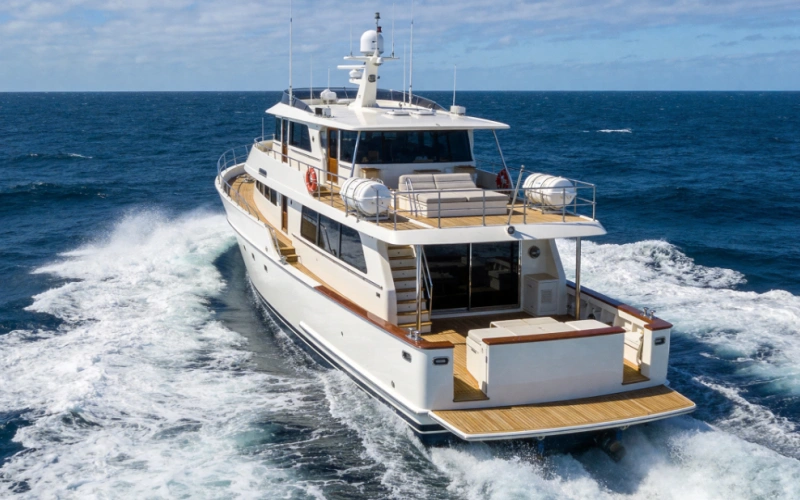
Trawler Boat vs Motor Yacht — What’s the Difference?
The fundamental difference between a trawler yacht and a motor yacht lies not in their appearance, but in their design purpose: long-distance cruising vs high-speed recreation.Key Differences at a Glance
| Feature | Trawler Yacht | Motor Yacht |
| Speed | 8–12 knots | 20–35 knots |
| Fuel Use | Low | High |
| Range | Very long | Moderate |
| Comfort | High stability | High speed comfort limited in rough sea |
| Hull Type | Displacement | Planing |
| Best Use | Long cruising / liveaboard | Day trips / entertainment |
Trawler vs Motor Yacht Ownership Cost
In the long run, buying a yacht is not just a one-time investment; it also involves various ongoing expenses, such as annual maintenance costs, fuel, insurance, and docking fees. The table below provides a clear comparison of the differences between trawlers and motor yachts:| Category | Trawler Yacht | Motor Yacht |
|---|---|---|
| Typical Size | 40–70ft | 40–70ft |
| Purchase Price (New) | $400k–$10M+ | $500k–$12M+ |
| Estimated Annual Ownership Cost | $40k–$1.2M (≈10% of price) | $60k–$1.8M (≈12–15% of price) |
| Fuel Consumption | Low (8–12 knots cruising) | High (20–35 knots cruising) |
| Range | Very long (1,500–3,500+ nm) | Moderate (300–600 nm) |
| Maintenance Complexity | Moderate | High |
| Crew Requirement | Optional for small yachts | Often required for large yachts |
Why They Perform So Differently
Trawler = Displacement Hull→ Primarily ‘pushes through the water’; slow but extremely fuel-efficient and stable, suitable for long-range cruising and live-aboard use
Motor Yacht = Planing Hull
→ ‘Glides across the water’ at high speed; fast but with significantly higher fuel consumption, better suited to short-distance recreational cruising
Simple Decision Rule
Want to cruise for long periods / live on board → Trawler YachtWant speed and excitement / day trips → Motor Yacht
👉 Buy a Motor Yacht.
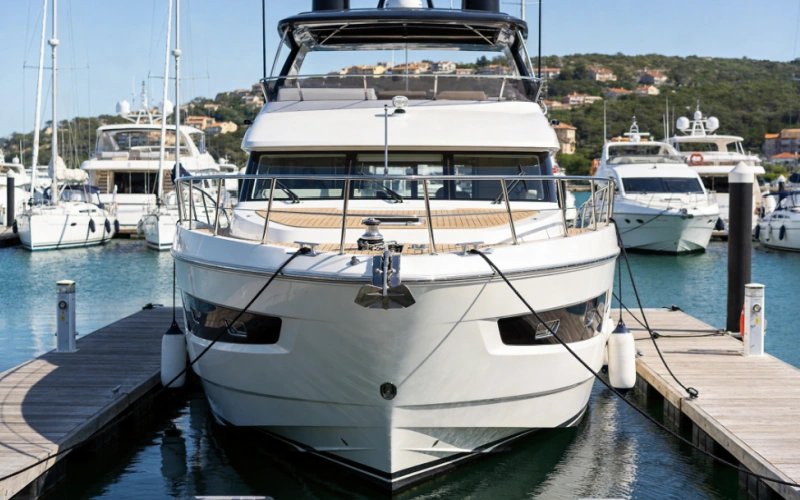
What Size Trawler Boat Should You Buy?
This is one of the questions I’m asked most frequently during client consultations. When first encountering Trawler Yachts, many buyers tend to think “the bigger, the better”, but the truly suitable size actually depends on your cruising style, the number of people on board, and your long-term budget.35–45ft Trawler Boat (Entry Level)
Suitable for:- First-time boat buyers
- Weekend cruising
- Couples cruising
- Short coastal voyages
- Easy to operate
- Lower mooring costs
- Less maintenance pressure
- More fuel-efficient
👉 Compare Entry-Level Trawler Prices
45–60ft Trawler Boat (Mainstream Choice)
This is currently the most active size range in the market and the primary choice for many family buyers.Suitable for:
- Long-term family cruising
- Liveaboard
- Semi-retired life at sea
- Multi-person long-distance voyages
- Better balance between space and manoeuvrability
- Significantly improved range
- Greater comfort at sea
- Ample storage and living space
60ft+ Expedition Trawler (Ocean-going Class)
This size is approaching that of a true expedition yacht.Suitable for:
- Round-the-world voyages
- Transoceanic crossings
- Long-term offshore living
- Professional long-distance cruising owners
- Extended range
- Greater adaptability to sea conditions
- Capacity to carry large quantities of fuel and supplies
- Equipped with redundant safety systems
👉 Browse Long-Range Expedition Trawlers
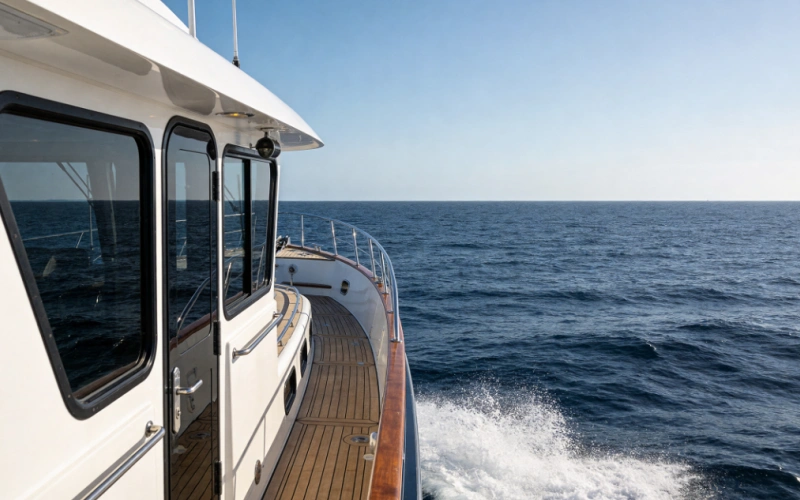
How Much Does a Trawler Boat Cost in 2026?
| Size | New Price | Used Price | Estimated Annual Ownership Cost |
| 40ft | $400k–$1M | $200k–$700k | $40k–$100k |
| 50ft | $1M–$2.5M | $600k–$1.8M |
|
| 70ft | $4M–$10M+ | $2M–$6M | $400k–$1M+ |
Why Prices Vary So Much
Even for boats of the same size, the price difference between different trawlers can run into millions of dollars.Key factors influencing price include:
- Brand and build quality
- Age and condition
- Range
- Stabilisation systems
- Luxury fittings and electronics
- Transoceanic capability
Hidden Ownership Costs
This is the aspect that many first-time buyers are most likely to underestimate. In addition to the purchase price, the following factors have a significant long-term impact on your budget:- Fuel
- Marina Fees
- Insurance
- Maintenance
- Crew
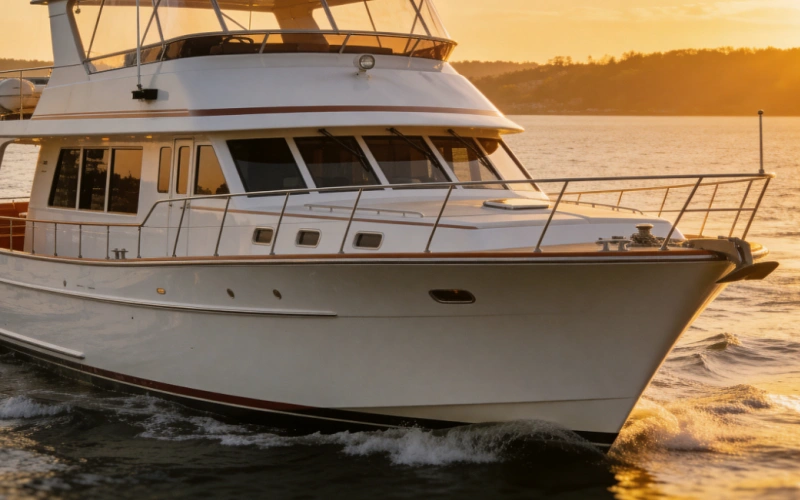
A common rule of thumb in the industry is that annual holding costs typically amount to around 10% of the boat’s price; the larger the yacht, the faster the long-term operating costs rise.
Best Trawler Boat Brands in 2026
Trawler brands are generally divided into three categories: offshore, family cruising and entry-level. Different brands cater to different sailing styles and levels of experience.Luxury Offshore Brands
Suitable for long-distance, transoceanic voyages and liveaboard users.Representative brands include:
- Nordhavn: The benchmark for offshore trawler yachts, renowned for its exceptional range and outstanding stability in rough seas, making it ideal for round-the-world voyages.
- Selene Yachts: Emphasises safety and comfort, suitable for long-distance cruising and multi-regional voyages.
- Kadey-Krogen: Classic full-displacement design, offering low fuel consumption and suitability for long-term life at sea.
Family-Friendly Brands
Suitable for family holidays, weekend cruising and medium to long-distance trips. Representative brands include Grand Banks Yachts and Beneteau’s Swift Trawler series.- Grand Banks Yachts: A premium classic brand offering exceptional comfort, combining luxury with cruising performance.
- Beneteau Swift Trawler: Modern design, efficient use of space and simple handling, making it ideal for families.
Entry-Level Brands
Suitable for first-time boat buyers or inshore cruising. Representative brands include:- Ranger Tugs: A leading brand of small trawler yachts, offering easy handling, simple maintenance and lower costs.
- Beneteau Swift Trawler: The smaller models in this series are also suitable for beginners, offering excellent value for money and versatility.
Quick Comparison
| Category | Brands | Key Advantage |
| Offshore | Nordhavn / Selene / Kadey-Krogen | Long-range capability and safety |
| Family | Grand Banks / Beneteau | Comfort and space |
| Entry-Level | Ranger Tugs / Beneteau | Ease of handling and low cost |
Best Recommended Trawler Boats for Different Buyers (2026 Picks)
Best Overall Family & Long-Range Balance
If you simply want a trawler you won’t regret, this selection offers the most reliable choice, balancing comfort, range and resale value.Grand Banks Yachts 54: A classic example of a high-end trawler, featuring a well-established layout suitable for family cruising and medium to long-distance voyages. It is the ‘second or third boat’ of choice for many seasoned owners.
Artemis 47: Designed specifically for couples on long-distance cruises. Featuring two cabins and two heads, this yacht is also an excellent family vessel. With a range of no less than 2,000 nautical miles, it is capable of traversing transoceanic routes.

Artemis 47
- Length51.60 ft
- Top speed10.50 kn
- TypeFlybridge yacht
The Selene 47 is the larger sister of the groundbreaking Selene 43. The Selene 47 enjoys many benefits of the larger design, including a more spacious salon, higher engine room height, a pantry, and a lazarette. The Cruiser Stern with an extended waterline also provides the yacht with a cruising speed of 9 knots and excellent fuel economy. The galley is offset to the starboard side, as is the bench in the pilothouse. These two changes create a more spacious feel in the salon and the pilothouse respectively. A small helm chair can be installed at the lower helm. The Selene 47 is designed with long - range cruising couples in mind. With two cabins and two heads, this yacht is also a great family cruiser. The stability of the Selene 47 is evident even in rough seas. The yacht has a range of no less than 2,000 nautical miles and is capable of traversing ocean passages just like any other Selene.
Best for Ocean Crossings & Long-Distance Cruising
If your goal is transoceanic voyages or extended liveaboard cruising, this category represents the true long-range cruising class.Nordhavn 68: The benchmark in ocean-going trawler yachts, renowned for its exceptional seakeeping ability and long-range capabilities, it serves as the ‘gold standard’ within the round-the-world cruising community.
Selene Yachts 66: More focused on comfort than the Nordhavn, striking a balance between long-range capability and living comfort, making it ideal for couples on extended voyages.
Selene 66
- Length71.50 ft
- Cabins4
- Top speed12 kn
- TypeBusiness yacht
The Selene 66 is built on the same hull mold as the Selene 62, and the increase in length allows for a significant expansion of the living and operating space throughout the yacht. In addition to the built - in bench, the extended cockpit adds space on the covered deck for lounge chairs. The complete living and dining area is located on the salon level and is accessed from the cockpit.
Best Entry-Level Trawler Boats
Suitable for first-time trawler buyers or those wishing to experience the slow sailing lifestyle starting with a smaller vessel.Ranger Tugs: A quintessential ‘light trawler’, offering simple operation and low maintenance costs, making it one of the most common choices in the entry-level market.
Artemis 38 Voyager Aft-cabin: Combining long-range cruising capability, the spacious comfort of an aft cabin, and stable, fuel-efficient cruising performance, it is ideal for extended family cruises and liveaboard living.
Artemis 38 Voyager Aft-cabin
- Length41.80 ft
- Top speed11 kn
- TypeSport yacht
The Selene 38 Voyager Aft - cabin is based on the successful Archer design and has undergone several technological improvements, such as Diamond Sea Glaze sliding doors, an optional Seakeeper gyroscopic stabilizer, lithium - ion batteries, a new power management system, sea chests for easy maintenance, a water - maker with an optional high - pressure automatic cleaning system, etc. It is a delightful and elegant gentleman's yacht that has been cruising in British Columbia, the Bahamas, the Greek Islands, and Southeast Asia for decades.
Pros and Cons of Owning a Trawler
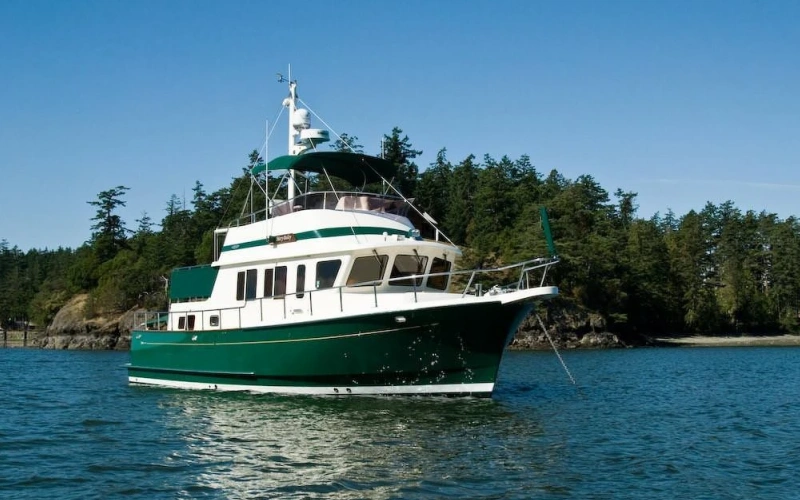
The fundamental reason why trawlers are so popular in the global long-distance cruising and retirement sailing markets lies in their ‘pragmatic design’. However, they are not a perfect boat type; they are more akin to a ‘tool for life at sea’ than a ‘speed-oriented pleasure craft’.Below are the pros and cons summarised based on the real-life experiences of boat owners:
Trawler Boat Advantages
Long cruising range — ideal for offshore passages and coastal explorationExcellent fuel efficiency — optimized for long-distance economy
High offshore stability — deep hull design improves comfort at sea
Comfortable liveaboard layout — spacious cabins and storage
Strong safety reputation — built for long-range reliability
Easy long-term cruising lifestyle — reduced need for frequent refueling
Trawler Boat Disadvantages
Slower speed — typically 8–12 knots cruisingLess sporty performance — not designed for high-speed cruising
Larger engine room space reduces usable interior volume
Higher upfront cost compared to similar-size motor yachts
Slower repositioning between destinations
Limited agility in tight marinas or shallow waters
Conclusion
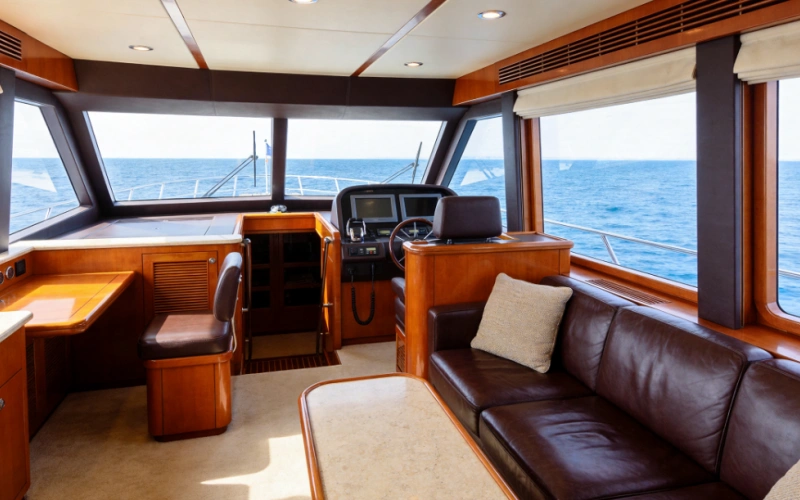
From my years of experience in the trade, the rise of the trawler is not merely a trend, but a “shift in lifestyle”.More and more boat owners are no longer chasing: faster, flashier, or more social;
but are turning towards: a seafaring life that is further-reaching, more stable, and more sustainable!
If you are considering:
- Upgrading from a sports boat
- Choosing your first cruising yacht
- Or looking for a vessel suitable for long-term family cruising
👉 View Family-Friendly Trawlers for Sale
About the Author
Emery
Yacht Broker / Yacht Transaction Consultant / Contributing Writer for Yachting Magazine
SAMS Certified Surveyor No.: AMS #2458
Previously named one of ‘Asia’s Top 10 Yachting Experts’ and recipient of the ‘Yacht Broker Outstanding Service Award’, amongst others
Last updated: May 2026
Intended Audience: This article is intended for boat owners and enthusiasts planning to purchase a trawler, seeking information on size, price and brand options
Disclaimer
The content of this article is provided for informational purposes and the sharing of general knowledge only; it does not constitute investment advice, a recommendation to purchase, or legal or technical consultation of any kind. The information regarding the dimensions, price ranges, brand evaluations and performance descriptions of trawler boats contained herein is compiled from publicly available industry data, market experience and the author’s personal professional observations, and may vary depending on region, time, vessel configuration and changes in market supply and demand.
Prices in the yacht market are highly volatile, and actual transaction prices may be influenced by factors such as the vessel’s age, condition, equipment configuration, brokerage channels and negotiation outcomes. Consequently, the prices listed herein are for reference only and should not be relied upon as the basis for a final transaction. Before making any decision regarding the purchase of a vessel, readers should consult a professional yacht broker, marine surveyor or relevant financial and legal advisers to obtain independent advice tailored to their specific circumstances.
Furthermore, the cruising range, fuel consumption and performance data mentioned herein represent typical scenarios or empirical ranges and do not reflect the performance of all vessel types in actual use. Sea conditions, load, speed and operating methods may all significantly affect actual results.
Neither the author nor the publishing platform accepts liability for any direct or indirect losses arising from the use of the information contained in this article. All readers shall bear the risks associated with decisions made based on the content of this article.
FAQ
Q1: What is the difference between a trawler and a yacht?
A: Trawler is designed for long-range cruising and efficiency, while yachts often focus on speed and entertainment.
Q2: Are trawler boats fuel efficient?
A: Yes. Due to displacement hull design, they consume significantly less fuel than planing yachts.
Q3: Can a trawler cross the Atlantic?
A: Yes. Many expedition trawlers are specifically designed for ocean crossings.
Q4: How far can a trawler yacht travel?
A: Depending on size, many can exceed 1,000–4,000 nautical miles on a single fuel load.