Quick Answer:
Artemis yachts primarily feature mid-sized powerboats, renowned for their robust construction, agile handling, and suitability for family leisure and coastal cruising. Their hulls boast sturdy structures, durable materials, and refined interiors, while maintaining reasonable upkeep costs.
Built by Taiwan's Jettern Yacht, Artemis specializes in mid-sized high-performance powerboats typically ranging from 12–15 meters (39–56 feet). The brand philosophy blends modern aesthetics with practical design, targeting the family leisure and coastal cruising market, particularly suited for Asian and Southeast Asian sailing environments.
As a yacht owner and broker with over a decade of experience in yacht transactions, I have personally sea-tried multiple Artemis yachts. I found them to perform reliably in hull structure, handling, and comfort, making them one of the top choices for budget-conscious private owners.
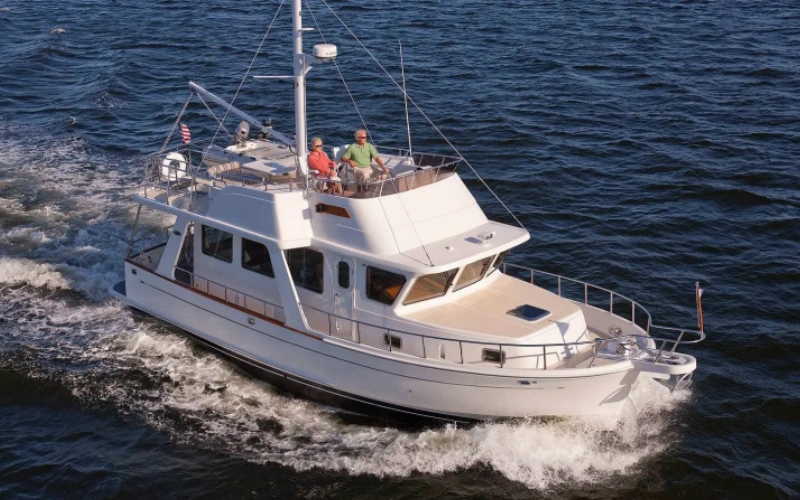
Artemis Yacht Construction Materials and Craftsmanship
The core strength of Artemis yachts lies in their robust construction techniques and reliable materials. Most models feature hulls constructed from high-strength fiberglass reinforced plastic (FRP), with select high-performance variants offering carbon fiber reinforcement. FRP provides lightweight corrosion resistance and ease of maintenance, while carbon fiber enhances structural rigidity and impact resistance.
The hull employs a layered construction process, incorporating stiffeners between the keel and deck to ensure overall structural integrity and durability. The engine compartment and cockpit are thoughtfully laid out with comprehensive ventilation, soundproofing, and waterproofing measures. During sea trials, I observed that Artemis yachts maintain stability even in moderate waves, exhibit minimal hull roll, and offer agile handling—making them ideal for family cruising.
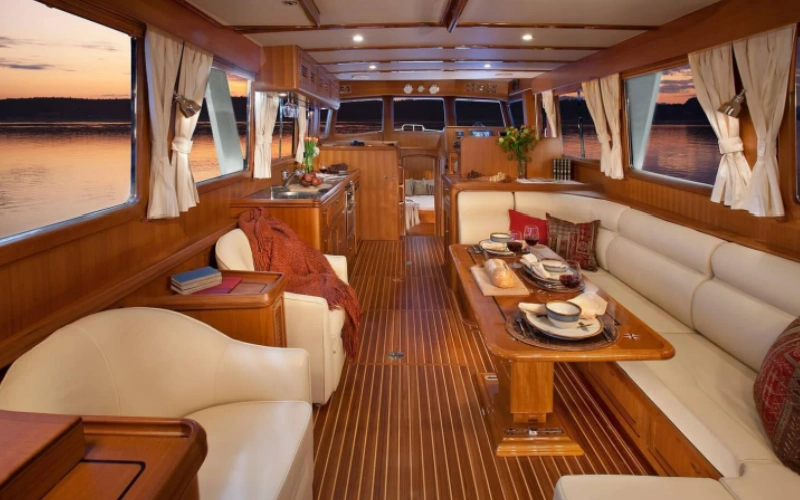
Interior design prioritizes comfort and aesthetics: premium wood paneling, leather, and durable fabrics adorn the cabins, with seamless joinery and sturdy furnishings. The cockpit layout is scientifically designed with an intuitive control console, ensuring navigational safety.
Power System and Engine Room Design
The power system is a critical indicator of construction quality. Artemis yachts typically feature Volvo Penta or Yamaha engines ranging from 350 to 700 horsepower, suitable for coastal cruising and high-speed recreational sailing. The engine compartment offers ample space for inspection and maintenance, with optimized ventilation and soundproofing to minimize noise and vibration.
Based on my long-term observations, the engine compartment design of Artemis yachts demonstrates significantly superior maintainability compared to some imported high-performance yachts in the same class, resulting in lower maintenance costs. The well-designed drainage channels beneath the engines prevent prolonged water accumulation that could damage the hull or engines.
Artemis Yacht Construction Standards and Certifications
Most Artemis yacht models comply with CE classification certification, with select models meeting ISO structural safety standards. These certifications guarantee the hull's load-bearing capacity and structural integrity while ensuring safety equipment meets international benchmarks.
Compared to premium European and American high-performance power yachts, Artemis vessels are better suited for coastal cruising rather than long-distance ocean voyages. However, within coastal environments, their construction standards demonstrate robust stability and high reliability.
Authentic Feedback on Artemis Yacht Build Quality
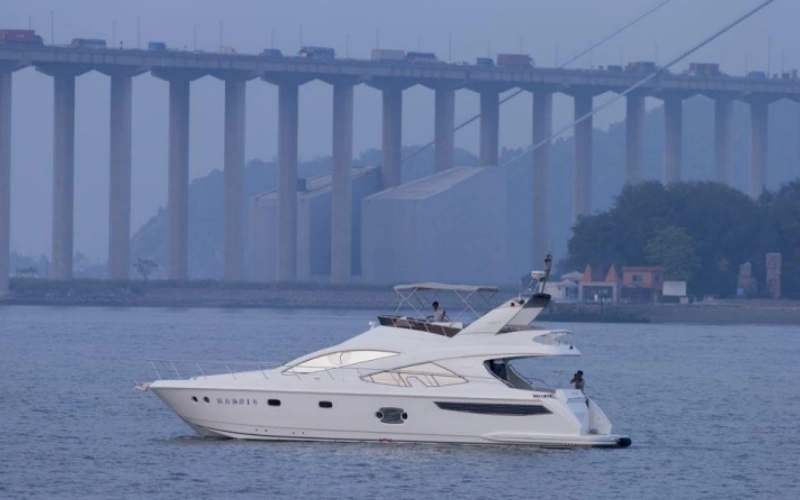
Multiple Artemis owners report strong performance in durability, handling, and maintenance costs:
Hull Durability: No significant cracks or leaks after 3–5 years of use; FRP materials prove stable and reliable.
Handling & Stability: Well-designed midsize models offer agile steering and maintain stability even at full speed.
Comfort: Well-designed cabin insulation, air conditioning, and furniture layout make it suitable for family and friend gatherings.
Artemis Yacht Maintenance Cost Table
| Model | Length (m) | Annual Maintenance Cost (USD) | Notes |
| Artemis 42 | 12.8 | 6,500 | Engine, hull polishing, interior upkeep |
| Artemis 48 | 14.6 | 8,200 | Twin-engine configuration; slightly higher fuel and maintenance costs |
| Artemis 56 | 16.5 | 10,000 | Premium interior trim; slightly higher furniture maintenance costs |
Long-term usage experience indicates Artemis yachts have reasonable maintenance intervals and durable materials, requiring only routine inspections to maintain optimal condition.
Artemis Yacht Construction Advantages and Disadvantages
Advantages
- High Value for Money: More affordable than European and American brands.
- Agile Handling: Medium-sized hulls facilitate easy docking and maneuverability.
- Aesthetic Interior & Design: Well-planned cabin layouts suit family leisure.
Disadvantages
- Limited Ocean-Going Capability: Less suited for long-distance transoceanic voyages than larger ocean-going yachts.
- Non-Premium Materials in Some Areas: Durable, but slightly inferior to high-end Italian or German brands.
Purchase Recommendations and Model Selection Guide
Below are my compiled recommendations and selection guidelines for Artemis yachts:
Ideal for: Family owners, coastal cruising, Asian and Southeast Asian sailing markets.
Key Focus Areas: Hull lamination process, engine room ventilation, waterproofing design, interior craftsmanship.
Configuration Choices: Carbon fiber reinforcement and premium interiors enhance durability and comfort but increase cost.
During sea trials, buyers should personally evaluate handling performance and inspect critical areas to ensure construction quality meets expectations.
Summary
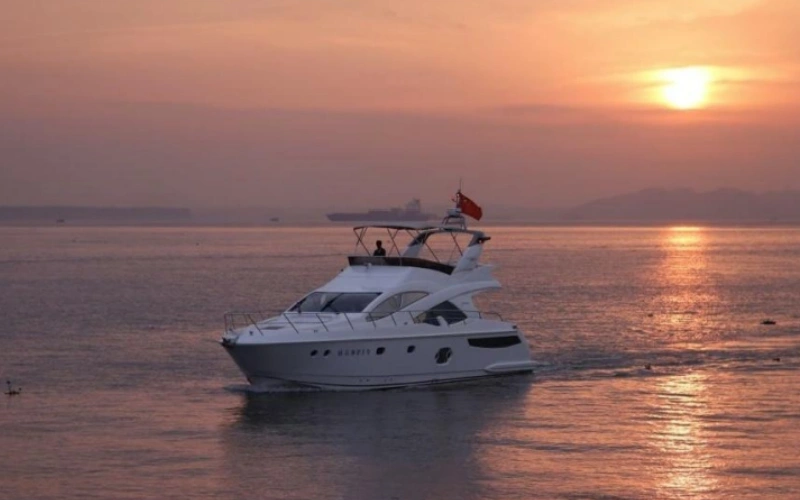
Considering hull materials, propulsion systems, interior craftsmanship, and long-term maintenance costs, Artemis yachts demonstrate solid, reliable overall build quality, particularly suited for family leisure and coastal cruising. For budget-conscious buyers seeking high-value powerboats, Artemis is a worthy consideration.
As a long-term observer of the yacht markets in Asia and South Florida, I advise potential buyers to conduct a physical sea trial before purchase and pay close attention to hull structure and engine compartment details to ensure a positive buying experience and navigational safety.
About the Author
Emery, yacht broker, yacht transaction consultant, and contributing writer for Yachting Magazine, possesses over a decade of yachting industry experience. As a SAMS-certified surveyor, he has been recognized as one of ‘Asia's Top Ten Yachting Industry Experts’ and honored with multiple industry accolades including the ‘Outstanding Service Award for Yacht Brokers’.
Disclaimer
The content of this article is for informational purposes only and is intended to introduce the construction quality, performance, and user experience of Artemis yachts. It does not constitute investment or purchase advice. Specific model configurations, prices, and performance may vary depending on market conditions, model year, and individual differences. Potential buyers should conduct on-site inspections, sea trials, and seek professional consultation prior to purchase to ensure compliance with their requirements and safety standards.
FAQ
Q1: How is the hull quality of Artemis yachts?
A: Artemis yachts utilize high-strength FRP fiberglass, with optional carbon fiber reinforcement on select models. Their hulls are robust and durable, suitable for coastal cruising and family use.
Q2: Is the interior craftsmanship of Artemis yachts refined?
A: Artemis yachts feature premium wood paneling, leather, and water-resistant fabrics throughout the cabin. Seamless joinery and sturdy furniture balance comfort with aesthetic appeal.
Q3: How does Artemis yacht construction compare to other brands in its class?
A: Artemis yachts offer excellent value for money with stable hulls and refined interiors. However, their ocean-going performance and material quality are slightly inferior to premium European brands.