



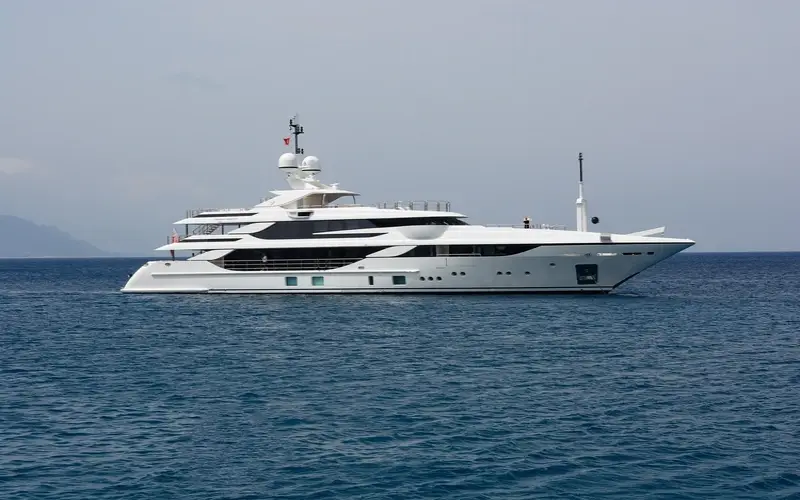
The Price Structure of Superyachts
The price of a flybridge yacht is, in essence, a comprehensive reflection of ‘space + engineering + brand’. Compared to a sports yacht, it resembles a complete living system rather than merely a means of transport.
The hull structure and construction techniques account for a significant portion of the cost. The flybridge configuration entails multiple decks, more complex load-bearing designs and higher construction standards, all of which directly drive up the price. At the same time, the extensive interior space requires a full range of living amenities, including a galley, en-suite bathrooms, multiple bedrooms and communal areas; these features make the construction of a flybridge yacht nearly as complex as building a floating home.
Although the propulsion system is not as extreme as that of a high-performance sports yacht, it still requires a stable and reliable twin-engine configuration to ensure safety during extended cruising. Meanwhile, navigation systems, stabilisers and automated control systems are also significant components of the cost.
At the brand level, price differences between manufacturers are often quite pronounced. Models such as the Azimut Fly 62, with their Italian design and well-established layout, are highly competitive within their size category. Their strength lies in the balance between visual design and practicality, offering a sense of luxury without compromising the living experience.
👉 View Azimut Fly 62 for sale:

Azimut Fly 62
- Length63.10 ft
- Cabins4
- Top speed30 kn
- TypeFlybridge yacht
The Azimut Fly 62 is a new-generation flybridge yacht launched by Azimut Yachts in 2024. Measuring approximately 19 metres in length, it is positioned in the 60-foot luxury cruising market. The vessel’s key selling point is its innovative ‘Beach Cockpit’ design, which breaks down the spatial boundaries of traditional flybridge yachts and seamlessly connects indoor and outdoor living.
Flybridge Yacht Prices by Size (2026)
Size remains the most direct factor determining price, whilst also dictating usage patterns and operational demands. In the 2026 market, flybridge yachts across different size categories have formed a relatively clear hierarchy:
| Size Range | New Boat Price Range | Used Price Range | Key Features and Suitable Scenarios |
| 50–60 feet | $1M – $2.5M | $600K – $1.8M | Entry-level flybridge yachts, suitable for family weekend getaways and short cruises; relatively simple to operate |
| 60–80 feet | $2.5M – $6M | $1.5M – $4.5M | Significantly increased space with crew quarters, suitable for frequent use and business hospitality |
| 80–100 feet | $6M – $12M | $4M – $9M | Offers an experience approaching that of a superyacht, emphasising comfort and long-term living capabilities |
| 100 feet and above | $12M+ | $8M+ | Highly customisable, catering to high-net-worth individuals and long-distance cruising requirements |
In the 50–60-foot category, the Absolute 60 Fly stands out for its exceptional use of space; large windows and an open-plan layout create a sense of airiness, making it the top choice for many family owners.
👉 View Absolute 60 Fly for sale:
Absolute 60 Fly
- Length61.30 ft
- Cabins4
- Top speed29 kn
- TypeFlybridge yacht
Absolute 60 Fly is a luxury flybridge motor yacht built by Italy’s Absolute Yachts, renowned for modern elegant exterior, spacious comfortable interior and balanced performance. It features an efficient deep-V hull for stable cruising, flexible handling and low fuel consumption. The interior is spacious and bright with exquisite craftsmanship, equipped with comfortable cabins, large salon and complete living facilities.
The experience changes dramatically when the size increases to over 70 feet. For example, the Lanzarote 77's layout is close to that of a small superyacht, suitable for both extended stays and higher-profile social occasions.
👉 View Lanzarote 77 for sale:
Lanzarote 77
- Length76.44 ft
- Cabins4
- Top speed29 kn
- TypeFlybridge yacht
The Lanzarote 77-foot luxury yacht, manufactured by Xiamen Tangrong Yacht Industry Co., Ltd., is a mid-to-large-sized motor yacht positioned for high-end cruising and comfortable living. Currently priced at US$2.38 million (tax-free), it offers high value for money compared to the original price of US$3 million, making it suitable for sophisticated buyers who value space, performance, and privacy.
New Boats vs. Used Superyachts
The biggest advantage of a new boat is its ability to be perfectly customized to individual needs. From interior style to equipment configuration, everything can be tailored to your usage habits—an experience that used boats simply cannot provide. New boats also tend to have lower failure rates in their first few years, making them more worry-free.
However, price and depreciation are equally significant. New boats typically depreciate rapidly in the first few years after delivery, while used boats tend to stabilize in price after this period. For budget-conscious buyers or those prioritizing value for money, used yachts aged 3–7 years are often more attractive.
The key to the used yacht market lies in the quality of the inspection. Engine condition, hull structure, and maintenance records all directly impact the subsequent user experience. A well-maintained pre-owned flybridge yacht won't lag significantly behind a new one in performance and comfort.
Annual Maintenance Costs Explained
The real barrier to entry for flybridge yachts often lies in long-term ownership costs, not the purchase price itself.
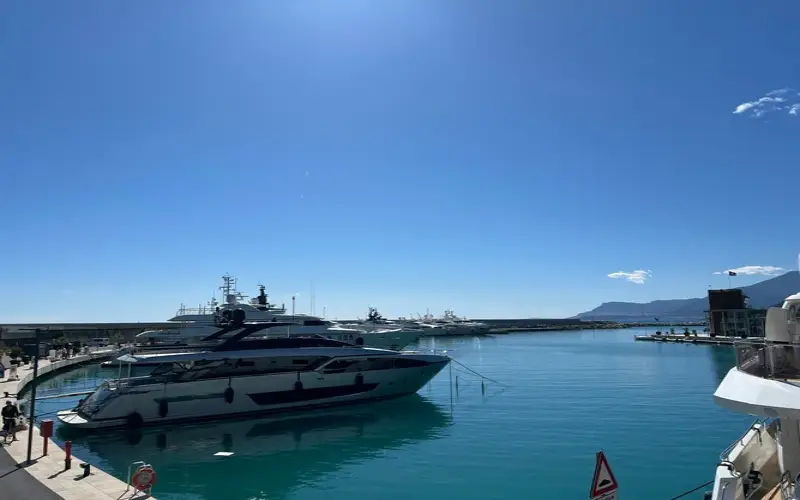
Mooring fees are usually the most stable expense, and in popular ports, they can even be one of the biggest costs. The larger the vessel and the more central the location, the more significant the cost difference. Fuel costs depend on usage frequency; although flybridge yachts don't have extreme cruising speeds, long voyages can still incur considerable expenses.
Maintenance is a crucial aspect, including engine, electronics, and hull protection. These costs tend to increase annually with age. Insurance costs are relatively stable but fluctuate with the yacht's price and usage risks.
If the vessel exceeds 70 feet, hiring a crew is almost inevitable, significantly increasing the annual budget but also enhancing ease of use and safety.
Among entry-level products, the Sunseeker Manhattan 55 offers a relatively user-friendly maintenance structure, striking a balance between handling and system complexity, making it ideal for users who want an "easy-to-use" experience.
👉 View Sunseeker Manhattan 55 for sale:
Sunseeker Manhattan 55
- Length56.50 ft
- Cabins3
- Top speed32 kn
- TypeFlybridge yacht
The Sunseeker Manhattan 55 represents the pinnacle of Sunseeker's design excellence, crafted for owners seeking comfortable cruising and refined social experiences.
Why are superyachts so expensive?
The high price of flybridge yachts largely stems from the industry's characteristics of "low production volume + high complexity."
Each yacht requires a significant amount of manual labor in its construction; from structural laying to interior installation, it cannot be fully industrialized and replicated. This manufacturing method makes cost reduction difficult.
Furthermore, yachts need to integrate multiple complex systems, including power, electricity, water supply, navigation, and safety systems. Each system must operate stably in the extreme environments of the sea, placing extremely high demands on design and engineering.
Materials and craftsmanship are also crucial factors. High-end flybridge yachts typically employ lightweight structures, high-quality timber, and high-standard anti-corrosion treatments, all of which represent high-cost investments.
In the 80-foot class, the Monte Carlo Yachts 80 exemplifies this perfectly. Combining semi-custom construction with high-end design, it is not only visually distinctive but also leads the industry in craftsmanship and structural quality. Those who value yacht quality can view the detailed Monte Carlo Yachts for sale.
👉 View Monte Carlo Yachts 80 for sale:
Monte Carlo Yachts 80
- Length80.90 ft
- Cabins4
- Top speed31 kn
- TypeFlybridge yacht
The Monte Carlo Yachts 80 represents the pinnacle of Italian luxury yacht design, offering a masterful blend of spaciousness, performance, and extensive customization potential. Collaboratively designed with the renowned Nuvolari Lenard Studio, this flybridge yacht showcases sleek aesthetics and refined craftsmanship throughout.
Professional Buying Advice
Choosing a new flybridge yacht or used flybridge yacht is more about choosing a lifestyle than a single product.
Size selection should be based on actual usage scenarios. For frequent short trips, 50–60 feet is sufficient; for longer stays or cross-regional cruises, larger sizes offer significant advantages.
Brand and model maturity are equally crucial. Market-proven classic models usually mean more stable performance and better resale value.
Budget planning shouldn't stop at the purchase stage. Long-term costs such as maintenance, berthing, and fuel are the key factors determining the user experience.
Summary
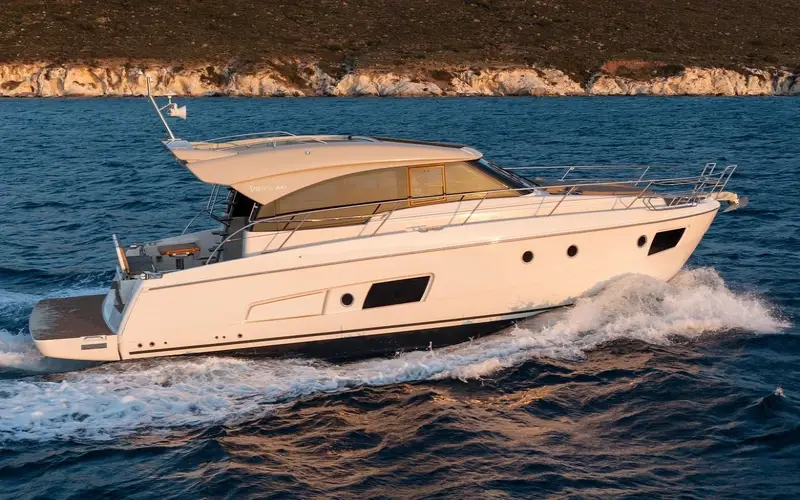
In 2026, flybridge yacht prices will range widely, from around $1 million to over $10 million. Size, brand, and configuration determine the price range, while usage scenarios determine the most suitable choice.
The core value of a flybridge yacht lies in its space and lifestyle; it's more like a mobile floating home. For users seeking comfortable cruising and a social experience, this is one of the most attractive yacht types.
FAQ
Q1: Is a flybridge yacht suitable for extended stays?
A: Yes. Compared to other types of yachts, it's closer to a land-based residence in terms of space and comfort.
Q2: Is a 60-foot flybridge yacht sufficient?
A: Perfectly sufficient for families; it's the most mainstream entry-level size.
Q3: Is it more cost-effective to buy a new or used boat?
A: Used boats usually offer better value, but a professional inspection is necessary to ensure quality.
Q4: Are flybridge yacht maintenance costs high?
A: Typically, they range from 10% to 20% of the boat's price; this is an expense that must be planned in advance.
Q5: Is a crew always necessary?
A: 50-60 ft yachts can be self-operated; for 70 ft and above, a crew is generally recommended.