Quick Answer:
As a boat owner and consultant who has winterized dozens of motor yachts operating in saltwater environments, I've distilled the core principles of winter maintenance:
● Thoroughly flush saltwater systems to remove residual salt
● Fill with appropriate marine antifreeze to prevent freeze damage
● Implement battery, electrical, and interior mold prevention measures
● Choose between in-water storage or hauling out based on budget and risk assessment
Quick Tip: Winterization costs for 30–50-foot saltwater motor yachts typically range from $1,000–$3,000, depending on service depth and storage method.
Table of Contents:
1. Why is Winter Maintenance Especially Critical for Saltwater Yachts?
2. Step-by-Step Winterizing Checklist for Motor Yachts
3. How to Store a Yacht?
4. Winterizing Cost for 30–50 Ft Yachts
5. Mistakes to Avoid When Winterizing a Yacht
6. Conclusion
7. Frequently Asked Questions
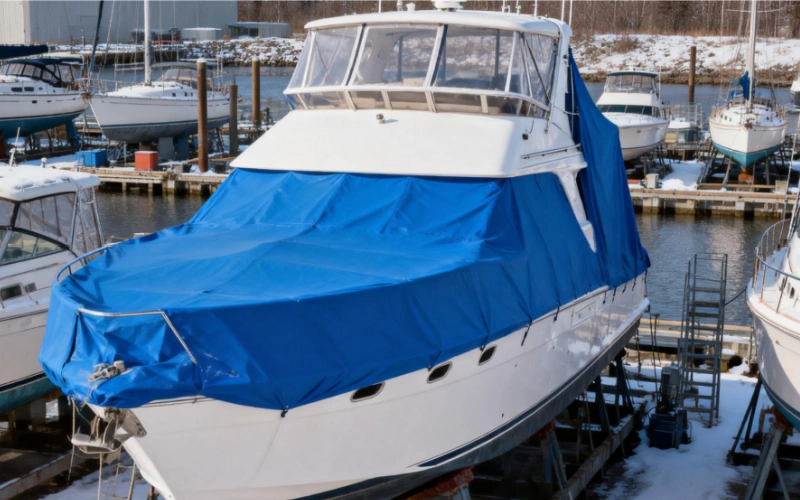
1. Why is Winter Maintenance Especially Critical for Saltwater Yachts?
Saltwater corrodes metal, rubber, and electronics far more rapidly than freshwater environments. Even during short-term storage, salt residue trapped in cooling lines, engine compartments, or deck crevices can cause:
Crystallization and blockage of heat exchangers
Corrosion of propeller bearings and thrusters
Oxidation of electrical connections and instrument malfunctions
Accelerated rusting of hull metal components
Yachtall's Correct Winterising of Boats states that freshwater winterization procedures are not fully applicable to saltwater yachts, requiring specialized treatment for corrosion and fouling.
● My Practical Experience
As a professional with extensive experience executing winter preparations across major saltwater regions worldwide, I performed a full winterization service on a 45-foot fiberglass motor yacht at a Greek Aegean port in early November.
Key Process Highlights:
Thorough flushing of saltwater systems (heat exchangers, seawater pumps, and hull fittings)
Desalination and antifreeze circulation in engine cooling systems
Replacement of sacrificial anodes and lubrication of propeller bearings
Battery removal to dry storage with float maintenance
Cabin humidity control and adjustable ventilation setup
Results Comparison:
| No. | Item | Before | After |
| 1 | Engine heat exchanger salt buildup | Heavy salt deposits | Clean and scale-free |
| 2 | Battery condition | Fully charged | Fully charged |
| 3 | Cabin humidity | 75%↑ (mold-prone) | 45–55% (standard comfort) |
These steps ensure smooth engine starts when the yacht returns to service next season, while also preventing engine overheating and propeller corrosion risks.
2. Step-by-Step Winterizing Checklist for Motor Yachts
● Winter Inspection Checklist for Yachts
| System | Action | Completed |
| Engine Cooling | Flush saltwater + circulate marine antifreeze + replace oil & filters | ⬜ |
| Generator | Flush + drain + antifreeze + check fuel filter | ⬜ |
| Air Conditioning | Flush condensers + antifreeze + drain + anti-mold treatment | ⬜ |
| Fuel System | Fill 95% fuel + add stabilizer + run engine to circulate + replace filters | ⬜ |
| Batteries | Remove & store in dry area + float charger maintenance | ⬜ |
| Bilge & Plumbing | Flush bilges + add antifreeze where applicable | ⬜ |
| Sacrificial Anodes | Inspect & replace if necessary | ⬜ |
| Propeller & Shaft | Inspect + lubricate with marine grease + check seals | ⬜ |
| Deck & Hull | Thorough freshwater wash + anti-corrosion treatment on metal fittings | ⬜ |
| Interior Humidity | Use dehumidifiers/dry packs + ensure ventilation | ⬜ |
| Electrical Connections | Spray with anti-corrosion agent + secure all terminals | ⬜ |
● Thoroughly Flush the Seawater System
Salt residue is the greatest enemy of yacht corrosion. Therefore, you must flush all components with fresh water through the intake port, especially the heat exchanger and pump housing, to ensure all salt is completely removed. This is also covered in the Guide to Buying a Used Yacht.
Tip: If direct freshwater access is unavailable, use a dedicated flushing kit combined with a vacuum water extraction system.
● Add Antifreeze to the Cooling System
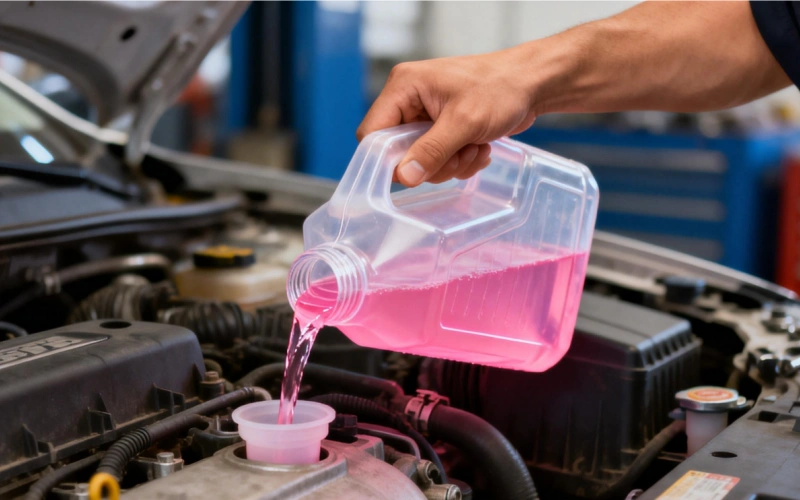
Follow international practice by replacing residual moisture with propylene glycol antifreeze. Circulate it throughout the entire cooling circuit to prevent freezing and cracking.
Key steps:
Drain saltwater from the system
Circulate freshwater to clean
Recirculate antifreeze until the drain fluid runs clear
Standard antifreeze specifications: Provides freeze protection down to -50°F or lower.
MarineEngineParts' Winterizing Checklist notes that marine-grade antifreeze is metal- and rubber-friendly, but must be mixed according to engine manufacturer specifications.
● Fuel System Treatment and Stabilization
Add marine fuel stabilizer when the fuel tank is approximately 95% full;
Run the engine for several minutes to circulate the additive throughout the system;
Replace the fuel filter to prevent microbial contamination of the fuel lines.
● Lubricant and Filter Replacement
Replace the yacht's engine oil, transmission fluid, and filters to remove moisture and particles, reducing corrosion risk. Old oil retains water and contaminants, accelerating component wear during winter storage.
● Cabin Humidity Control & Electrical Systems
Moisture is the enemy of electrical equipment on powered yachts:
Remove batteries and store them in a dry room;
Use a smart float charger for periodic charging;
Employ desiccants to absorb moisture and maintain slight ventilation.
A sound humidity control and battery maintenance plan can extend electrical system lifespan by over 20%.
● Deck, Hull, and Sacrificial Anode Inspection
Thoroughly rinse decks and below-deck areas;
Remove salt residue and seaweed buildup;
Replace sacrificial anodes if necessary.
Sacrificial anodes act as corrosion fuses—faster consumption indicates lower corrosion risk for original metal components.
3. How to Store a Yacht?
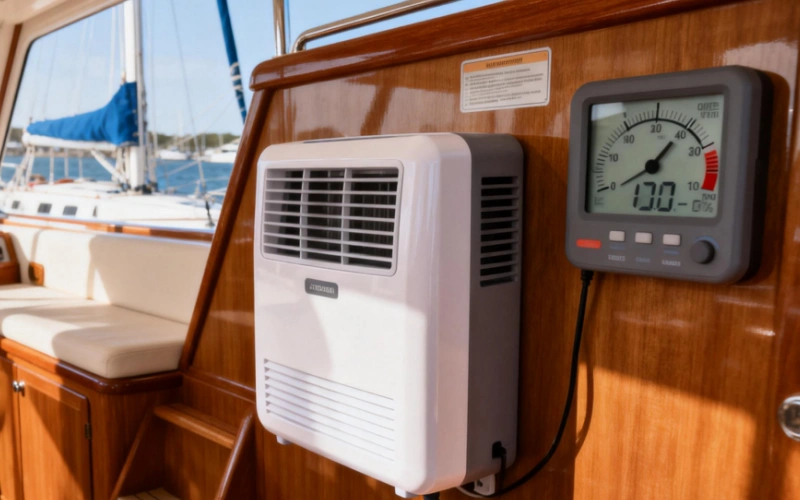
Choosing winter storage for your yacht is a critical decision every saltwater boat owner must make, as it directly impacts hull corrosion rates, maintenance difficulty, and costs. Generally, saltwater yachts have two primary winter storage options: in-water mooring and dry storage ashore.
In most saltwater environments, ashore storage covered with a waterproof slip cover remains the safer option, provided proper cabin ventilation and humidity control are maintained.
Below are the pros and cons of each storage method:
| Storage Method | Advantages | Disadvantages |
| In-Water Mooring | No hoisting required; convenient for short-term use | Corrosion risk, salt buildup, and freezing hazards require additional protection |
| Onshore Dry Storage | Avoids prolonged seawater immersion; allows comprehensive inspection | Boat yard fees; seasonal peak pricing may apply |
You may wish to review the 2026 Yacht Berthing Costs Guide.
For vessels undergoing consecutive years of saltwater navigation, particularly yachts over 50 feet, I typically recommend at least one comprehensive winterization ashore during critical winters. This should be combined with short-term in-water berthing, flexibly adjusted based on season and climate. This approach ensures hull longevity while maintaining cost efficiency.
4. Winterizing Cost for 30–50 Ft Yachts
When undertaking winter maintenance in saltwater environments, boat owners are often concerned not only with the operational procedures but also the actual costs involved. Drawing upon my extensive experience across Mediterranean, Caribbean, and US coastal marinas, here is a breakdown of Yacht Maintenance Costs Explained for vessels between 30–50 feet:
| Service Item | Typical Price Range (USD) | Description |
| Engine Coolant Winterization | $300–$800 | Includes saltwater flushing, antifreeze injection, oil and filter replacement. Cost varies by engine model and cooling system complexity |
| Generator Winterization | $150–$400 | For auxiliary power systems, includes flushing, antifreeze injection, and inspection of lines and filters |
| Air Conditioning System Winterization | $100–$300 | Involves condenser coils, antifreeze circulation, and drainage to ensure smooth spring startup |
| Battery Room Maintenance | $50–$150 | Includes moving batteries indoors, smart float charging maintenance, and moisture-proofing terminals |
| Haul-Out/Storage | $600–$2,000 | Depends on marina facilities, haul-out height, and seasonal storage fees |
| Full-Vessel Professional Winterization | $1,000–$3,000+ | Comprehensive winterization services including anti-corrosion, moisture protection, mold prevention, and system inspections |
● Prices above are for reference only. Actual costs vary based on regional docks, hull type (fiberglass/aluminum/composite), service depth, and market conditions. My experience shows that for yachts used in saltwater environments for several consecutive years, investing in professional winterization services is often more cost-effective than later repairs.
This is especially true for engine cooling systems and propeller shafts—inadequate winter treatment can lead to thousands of dollars in spring repair costs.
5. Mistakes to Avoid When Winterizing a Yacht
Through years of winterizing saltwater motor yachts, I've observed three major pitfalls many owners fall into. If uncorrected, these misconceptions not only shorten hull lifespan but may also cause major engine, generator, or air conditioning failures upon spring recommissioning. Below are these pitfalls and their correct solutions:
❌ Misconception 1: Winterization Only Requires Oil Changes or Adding Antifreeze
Issue: Many owners believe winterization is complete after changing engine oil and adding antifreeze.
Risk: Saltwater residue in cooling circuits, fuel systems, or propeller shafts accelerates corrosion. Frozen condensation can also cause pipe ruptures.
Correct Approach:
Engine & Cooling System: Thoroughly flush with fresh water, then fill the entire system with marine antifreeze. Simultaneously replace engine oil and filters.
Fuel System: Add fuel stabilizer and run a circulation cycle to ensure no moisture remains in fuel lines.
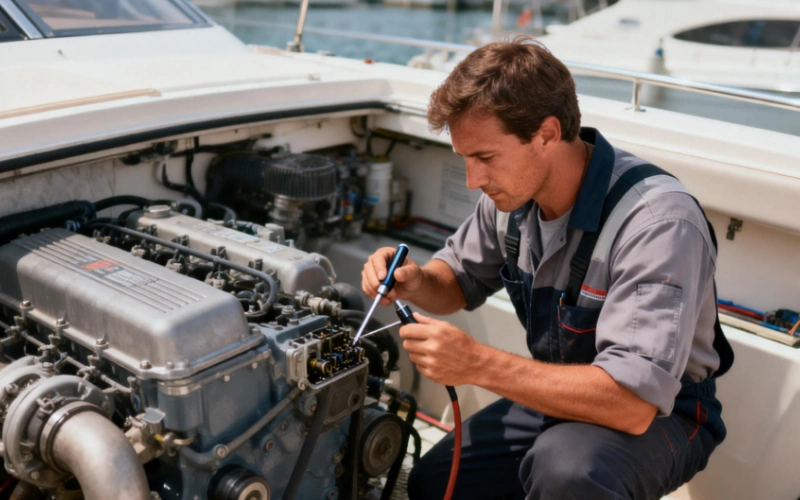
❌ Misconception 2: Generators and A/c Require No Special Winter Protection
Issue: Owners often assume generators and A/C can be neglected during winter since they aren't used.
Risk: Condensation accumulates in heat exchangers and condenser coils, freezing or corroding in cold temperatures, causing spring startup failures.
Correct Procedure:
Generator Winterization: Rinse cooling circuits with fresh water, fill with antifreeze, and drain all lines. Simultaneously inspect fuel filters.
Air Conditioning System Winterization: Clean condenser coils, circulate antifreeze, drain lines, and add antifungal agents to prevent pipe freezing and mold growth.
❌ Misconception 3: Surface-Only Corrosion Protection Suffices
Issue: Owners often focus solely on deck or hull anti-corrosion sprays.
Risk: Saltwater corrosion affects not just surfaces but also engine rooms, propellers, rudders, propeller shafts, and electrical contacts.
Correct Approach:
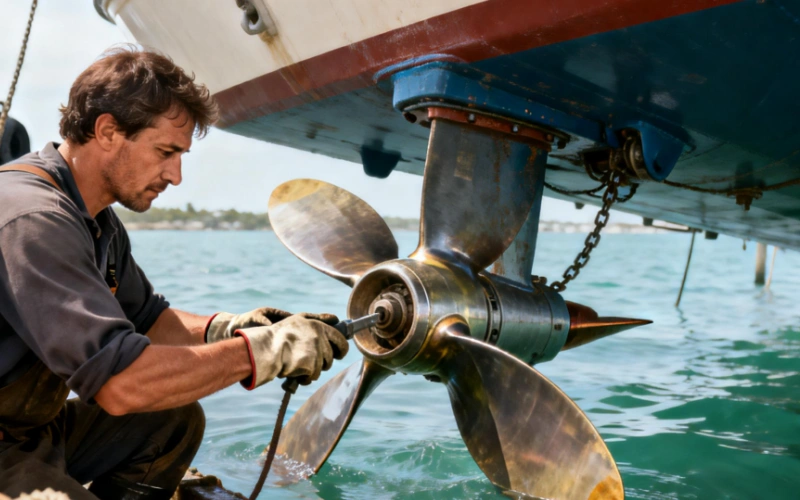
Propellers, Propeller Shafts, and Sacrificial Anodes: Inspect and replace sacrificial anodes as needed. Apply marine-grade anti-corrosion grease.
Electrical Systems: Disconnect power. Remove batteries indoors and maintain voltage with a smart float charger. Spray electrical contacts with moisture-proofing agent.
Hull and Decks: Rinse with fresh water, then apply marine anti-corrosion agent. Focus on hull sides, metal fittings, and crevices.
6. Conclusion
Based on my decade-plus of saltwater sailing experience, proper winterization significantly reduces spring breakdown rates, extends the lifespan of critical components, and increases resale value when selling the yacht.
For customized winterization plans, cost comparisons, and on-site execution checklists, contact me for one-on-one consultation. Whether you're in the Mediterranean, Caribbean, or other saltwater regions, we offer reliable solutions.
7. Frequently Asked Questions
Q. When is the optimal time for winterizing saltwater motor yachts?
A: Winterizing before the first nighttime temperatures near freezing is safest. In the Northern Hemisphere, this typically means initiating comprehensive winterization for common 30–50 foot saltwater yachts from late October to early November. This prevents cooling system freezing and excessive interior moisture buildup.
Q. What's the difference between antifreeze and regular freshwater flushing?
A: Regular freshwater flushing only removes salt but doesn't prevent cooling system freeze-ups in winter temperatures. Propylene glycol not only coats system lines but also provides freeze protection down to approximately -50°F while being safe for metal and rubber components.
Q. What is the approximate cost for yacht winterization?
A: Standard professional winterization for a 30–50-foot saltwater power yacht typically ranges from $1,000 to $3,000, depending on engine system complexity, generator/AC winterization, storage conditions, and service depth.
About the Author
Jelly
Regular contributor to leading yachting and boating publications including Boat International, Yachting World, and Good Old Boat
Over a decade of yachting and brokerage experience, having owned and operated multiple vessels across various types, with expertise spanning family cruising to ocean-going expeditions;
Last Updated: December 2025
Scope of Application: Provides winterization guidance for saltwater powerboat owners, brokers, and boating enthusiasts. Helps master professional winterization methods to reduce corrosion and failure risks, ensuring long-term vessel safety and performance.
Disclaimer
The saltwater powerboat winterization content provided herein is based on the author's years of practical experience and insights. However, yacht maintenance is influenced by multiple factors, including but not limited to yacht model, age, and regional variations in saltwater environments. Different circumstances may require distinct maintenance approaches and operational details. Therefore, readers should exercise prudent judgment based on actual conditions when performing maintenance operations after reviewing this document. The author and relevant platforms assume no legal liability for any loss or damage resulting from actions taken based on the content herein.