



If you are preparing to buy a monohull sailboat, the most important thing is not to blindly pursue a ‘big boat’ or a popular model, but to first clarify your actual usage scenarios and then select the most suitable boat type based on your budget.

How should different users choose a monohull sailboat?
If you are new to sailing and intend to use the boat primarily for weekend leisure or inshore cruising, a small cruising monohull of 30 to 35 feet would be more suitable. These boats are easy to handle, have low maintenance costs, and are less demanding in terms of mooring requirements.
For families, the 35 to 45-foot range typically offers the best balance. Boats in this class provide a full kitchen, bathroom and ample living space for several people, whilst retaining good manoeuvrability, making them ideal for short to medium-term cruising.
If your goal is long-distance ocean cruising, we recommend prioritising blue-water cruising monohulls of 40 feet or more. These vessels typically offer superior resistance to wind and waves, greater storage capacity and more comprehensive energy systems, enabling them to cope better with challenging sea conditions.
When selecting a boat, many people focus solely on the purchase budget whilst overlooking the long-term ownership costs. In fact, as the boat gets larger, costs for maintenance, insurance, equipment upgrades and mooring fees increase significantly; therefore, the size must be matched to your actual usage requirements.
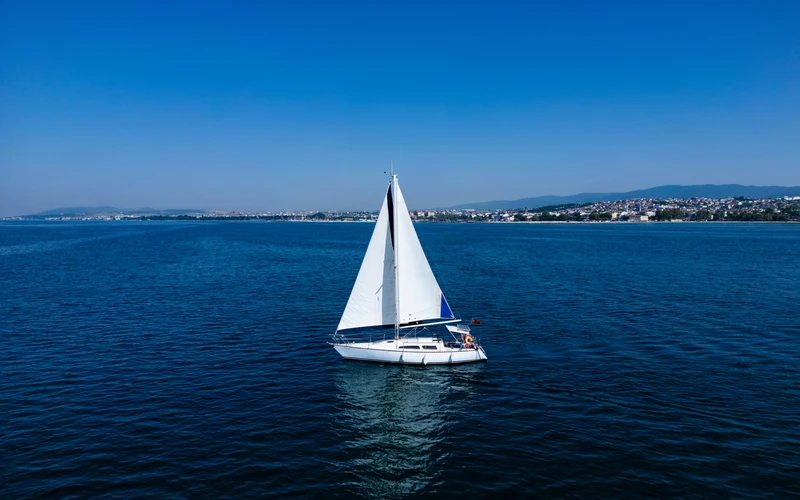
Your sailing goals determine your choice of boat
Different sailing objectives dictate that you should choose entirely different types of monohull sailboats.
If you only go out to sea occasionally at weekends, the focus should be on ease of handling, low maintenance and convenient mooring. For this type of user, a small cruising monohull is sufficient to meet the vast majority of needs, and the learning curve is lower.
If you are more focused on the family cruising experience, then spatial comfort becomes paramount. Factors such as the number of cabins, kitchen layout, storage capacity and deck space will directly impact the long-term experience. Many families discover, once they actually begin cruising, that comfort is more important than speed.
For offshore sailors, the priorities are entirely different. Long-distance sailing means you may face challenging sea conditions for days on end, so hull structure, stability, energy management and equipment reliability are all more critical than luxurious interiors.
Today’s new monohull sailboats on the market increasingly emphasise automation and smart technology, such as automatic sail control systems, integrated navigation platforms and energy management systems; these features are significantly reducing the operational demands of long-distance voyages.
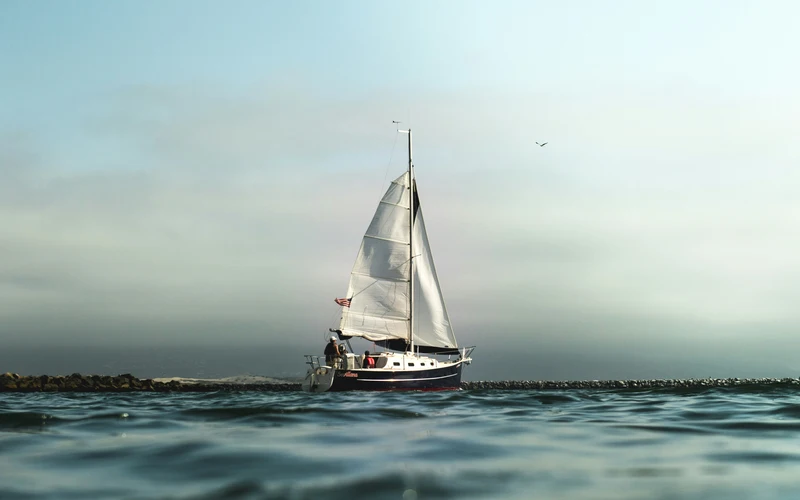
Guide to Choosing the Right Size for a Monohull
Size is one of the key factors that most significantly influences the monohull sailing experience.
Monohulls under 30 feet are better suited to beginners or those seeking recreational sailing close to shore. Their advantages include simple maintenance, low mooring costs and easier handling. However, the disadvantages are also clear: interior space is limited, making them less suitable for long-term living or cruising with a large group.
The 35 to 45-foot range is currently the most popular size category for cruising on the market. This class strikes an ideal balance between comfort, sailing performance and maintenance costs. Whether for family cruising, island hopping or medium to long-distance voyages, this size offers highly proven solutions.
Vessels of 45 feet and above enter the realm of blue-water cruising and high-end cruising. These boats typically offer superior storage capacity, larger fresh water and fuel reserves, and more stable performance on the open sea; however, maintenance and operating costs also rise significantly.
Established European brands such as Beneteau offer a wide range of cruising models across different size categories, making them a popular choice for many buyers.
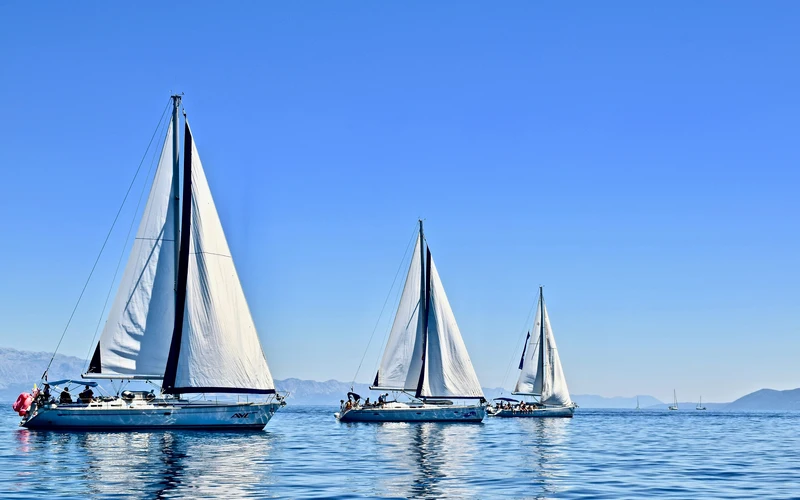
New Boats vs Pre-owned Boats: How to Make the Right Choice?
The greatest advantage of a new boat is that the equipment is up-to-date, the failure rate is lower, and the configuration can be customised to suit your needs. For new owners with limited maintenance experience, a new boat reduces the initial pressure of ownership and makes it easier to access manufacturer support.
On the other hand, new boats are typically more expensive, and depreciation is particularly rapid in the first few years. If your budget is limited, a used monohull sailboat in excellent condition often offers better value for money.
There is actually a large number of well-maintained, high-quality used monohull sailboats on the market today, particularly those long-distance cruising models that have already undergone upgrades and refits, which are often more ready for immediate use.
However, when purchasing a used boat, you must not overlook a professional survey. The hull structure, keel connections, engine condition and the state of the rigging often warrant greater attention than the interior fittings. Many boats that appear ‘cheap’ may incur maintenance costs far higher than anticipated in the long run.
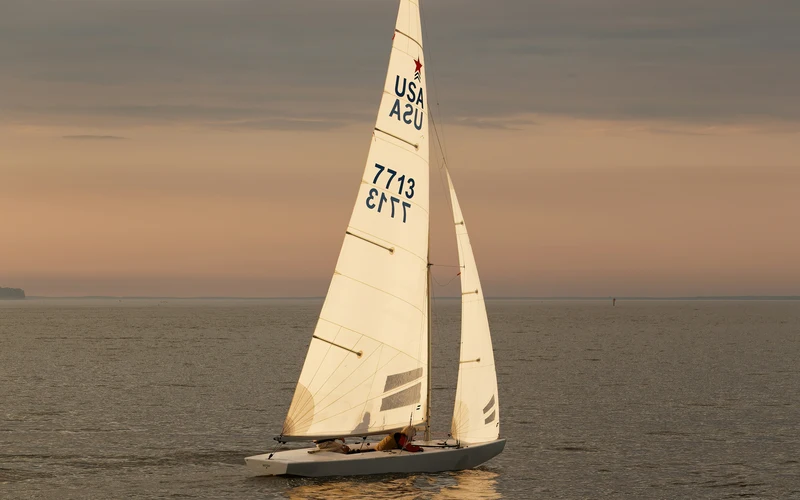
Top Recommendations for Monohull Sailboats
The most popular monohull sailboats currently on the market can broadly be categorised into three types: performance cruisers, family cruisers and blue-water cruisers, each catering to entirely different user profiles.
In the new-build market, the Hanse DEHLER 46 SQ is a quintessential example of a performance cruiser. It strikes a balance between speed and cruising comfort, making it ideal for those seeking greater sailing enjoyment without compromising on long-distance cruising capability.
👉 See Hanse DEHLER 46 SQ

Hanse DEHLER 46 SQ
- Length49 ft
- Cabins3
- TypeMonohull sailboat
The Hanse DEHLER 46 SQ sailboat, with lightning - fast agility on the sea, a world full of unique styles below the deck, and an innovative lighting method: only by boarding this magnificent 46 - foot yacht in person can you appreciate the inner essence of the Dehler SQ series yachts. The newly launched Dehler 46 SQ is a high - performance cruiser that perfectly combines performance and luxury.
Another new boat worth noting is the AZUREE 46. Compared to traditional cruising yachts, it leans more towards modern design and lightweight handling. Whilst maintaining good interior space, it also offers impressive speed, making it a popular choice amongst many younger owners.
👉 Browse AZUREE 46
AZUREE 46
- Length45.90 ft
- Cabins2
- Top speed13 kn
- TypeMonohull sailboat
We like this style of boat; it offers exciting thrills and excellent traction. If it were a car, it could be thrown into a corner at high speed knowing that it would respond to the driver's slightest touch - a rare infusion of adrenaline and peace of mind.
If you’re more interested in the second-hand market, the 2018 Seascape 27 is an excellent entry-level performance monohull. It’s agile to handle and low-maintenance, making it ideal as a first boat for weekend leisure or for learning performance sailing.
👉 View 2018 Seascape 27 for sale

2018 Seascape 27
- Build Year2018
- Length26.17 ft
- Cabins1
- Top speed12.50 kn
- TypeMonohull sailboat
The 2018 Seascape 27 combines racing performance with cruising comfort, featuring carbon fiber rigging, professional maintenance, and advanced navigation systems. Its efficient design and recent upgrades make it a smart choice for competitive sailors.
For those seriously planning an ocean-going cruise, the 2018 Nautor Swan 54 is a classic choice for blue-water sailing. Nautor Swan has long been renowned for its excellent craftsmanship, stability and ocean-going capabilities, making it ideal for long-distance cruising or extended life at sea.
Expert Buying Advice: The Best Options for Different Groups
For beginners new to sailing, we recommend prioritising ‘ease of use’ over ‘size’. Many people mistakenly believe that a larger boat is a sign of higher quality when buying their first vessel, but in reality, a larger size means higher maintenance costs and more complex operation.
If you are on a limited budget, opting for a smaller cruising yacht from an established brand will often provide a more reliable experience and be easier to resell.
Family users should focus on living space and comfort. After prolonged use, you will find that the layout of the galley, storage space, ventilation and deck activity areas are far more important than top speed.
For offshore sailors, we recommend allocating a larger portion of your budget to reliability and safety, such as the power system, autopilot, communication equipment and a stock of spare parts. Although these features are not as visually obvious as the interior, they will genuinely impact your long-distance sailing experience.
Furthermore, whether purchasing a new or second-hand boat, it is advisable to research future mooring conditions and maintenance capabilities in advance. Many people only realise after buying a boat that local berths, repair resources and annual maintenance costs are the most significant practical challenges in the long term.
Summary
When choosing a monohull sailing yacht, there is no ‘one-size-fits-all’ answer; what truly matters is finding the boat type that best suits your sailing goals and budget.
If you are simply looking for leisure and recreation, a small cruising yacht will suffice; if you wish to cruise with your family, a 35- to 45-foot vessel is usually the most balanced choice; and if your goal is ocean-going voyages, stability and reliability should always take precedence over luxury features.
A truly sound approach to buying a boat is not to blindly pursue a particular brand or size, but to select a monohull that you can genuinely enjoy over the long term, based on your frequency of use, sailing plans and long-term budget.
FAQ
Q1: What size monohull is suitable for beginners?
A: It is generally recommended to start with a 30 to 35-foot boat, as this size is easier to handle and has maintenance costs more suited to novice owners.
Q2: Are monohulls suitable for long-term living?
A: Cruising monohulls of 35 feet or more are capable of meeting the needs of long-term living on board and family cruising.
Q3: Is it better to buy a new or a second-hand monohull?
A: When on a limited budget, a second-hand monohull in excellent condition usually offers better value for money, but a professional survey is essential.
Q4: Are the maintenance costs for monohulls high?
A: Maintenance costs are directly related to size; the larger the boat, the higher the costs for mooring, repairs, insurance and equipment upgrades.