To get a boat loan, buyers generally need a suitable financial profile, sufficient down payment funds, and a vessel that meets the lender's financing criteria. The process usually includes setting a budget, comparing lenders, preparing financial and yacht documents, completing any required survey and insurance steps, and obtaining final loan approval.
For international yacht buyers, additional considerations may include residency, ownership structure, vessel location, insurance requirements, and lender eligibility.
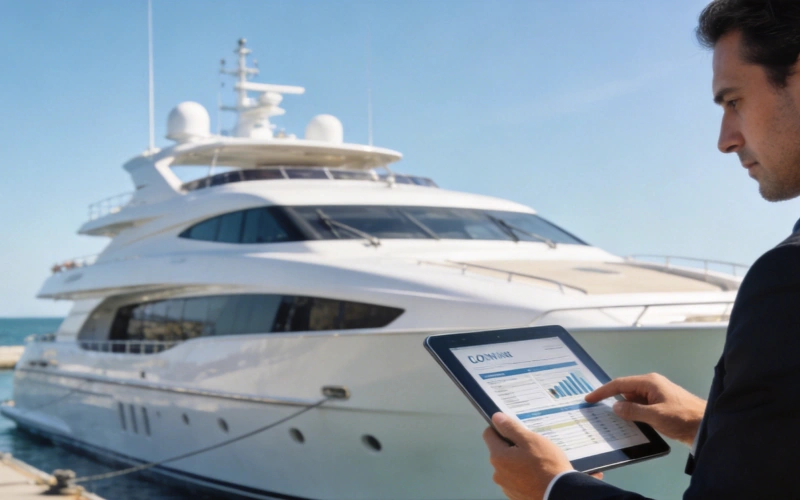
This guide explains how to get a boat loan, including application steps, required documents, down payment requirements, financing options, and important considerations for international yacht buyers.
What Is a Boat Loan?
A boat loan is financing used to purchase a boat or yacht. Instead of paying the full purchase price upfront, buyers borrow funds from a bank, credit union, or marine financing company and repay the loan over an agreed period.Boat loans usually include:
- Fixed monthly payments
- Various repayment term options, depending on the lender
- Boat loan rates based on borrower profile and market conditions
- The yacht is often used as collateral
Boat Loan vs Yacht Financing
For smaller boats and recreational vessels, the term boat loan is commonly used. For larger vessels, the term yacht financing is often used, especially when financing luxury yachts, motor yachts, and superyachts.Although the terms may be used differently depending on the lender and market, both refer to financing solutions designed to help buyers purchase marine vessels.
How to Apply for a Boat Loan: 6 Steps
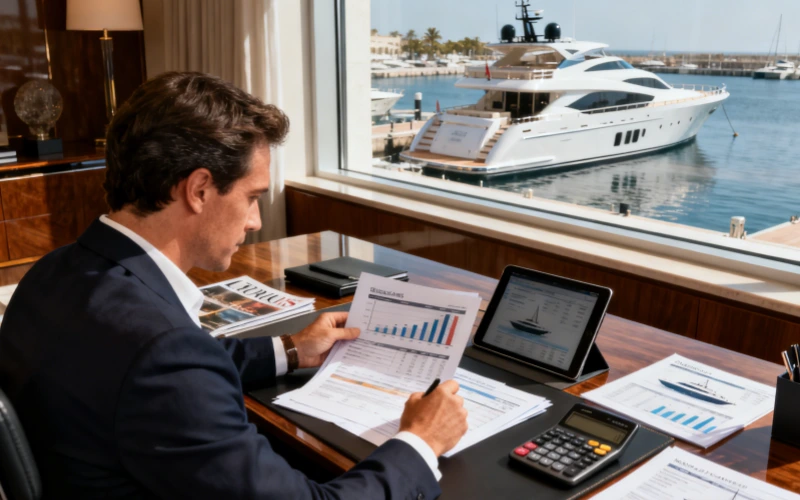
Although the exact process varies depending on the lender, country, and vessel type, most boat loan applications follow a similar process.
Step 1: Set Your Yacht Budget
Before applying for financing, it is important to understand not only how much you can borrow, but also the total cost of yacht ownership.Consider additional costs such as:
- Insurance
- Marina fees
- Maintenance
- Fuel
- Registration
- Upgrades
- Crew expenses (if applicable)
Step 2: Check Your Credit and Financial Situation
Lenders will usually evaluate your financial strength and ability to repay the loan.Prepare and review:
- Credit score and credit report
- Income information
- Existing debts
- Bank statements and available assets
- Available down payment funds
Step 3: Compare Boat Loan Providers
Boat financing options can vary significantly between lenders. Buyers should compare multiple options before choosing a financing provider.Important factors to compare include:
| Loan Feature | Why It Matters |
|---|---|
| Interest Rate | Determines the total financing cost |
| Loan Term | Affects monthly payments and total interest paid |
| Down Payment Requirement | Influences upfront cash needed |
| Processing and Closing Fees | Helps calculate the actual cost of financing |
| Early Repayment Policies | Determines flexibility if you repay the loan early |
| Vessel Eligibility | Some lenders restrict vessel age, type, value, or location |
For larger yachts, luxury vessels, or older boats, specialized marine lenders may have more experience evaluating vessel value and marine-specific risks.
Step 4: Get Pre-Approval Before Buying
Boat loan pre-approval helps buyers understand:- Possible loan amount
- Estimated monthly payments
- Suitable yacht price range
For yacht buyers, obtaining pre-approval before making an offer can also simplify negotiations. In many transactions, lenders evaluate both the buyer's financial qualifications and the yacht being purchased before final approval.
Before committing to a yacht purchase, buyers should confirm that financing is available and that the selected vessel matches their approved budget. Signing a purchase agreement before understanding loan options may create delays or financing challenges later in the buying process.
Step 5: Complete the Marine Survey and Insurance Requirements
For many used yachts and higher-value boats, lenders may require a professional marine survey before final loan approval.A marine survey can help assess:
- The yacht's current condition
- Apparent safety and seaworthiness issues
- Potential repair or maintenance concerns
In addition, most lenders require suitable yacht insurance before completing the loan. Insurance requirements may include hull coverage and liability protection, depending on the lender and location.
Step 6: Complete the Loan Closing and Yacht Purchase
After the loan is approved, the yacht inspection is completed, and insurance is arranged, the transaction can move to the final closing stage.Depending on the transaction structure, final closing steps may include:
- Signing the loan agreement
- Completing the yacht purchase contract
- Completing ownership transfer
- Lender releasing funds
- Buyer receiving the yacht
- Beginning loan repayments according to the agreed schedule
What Documents Are Required for a Boat Loan?
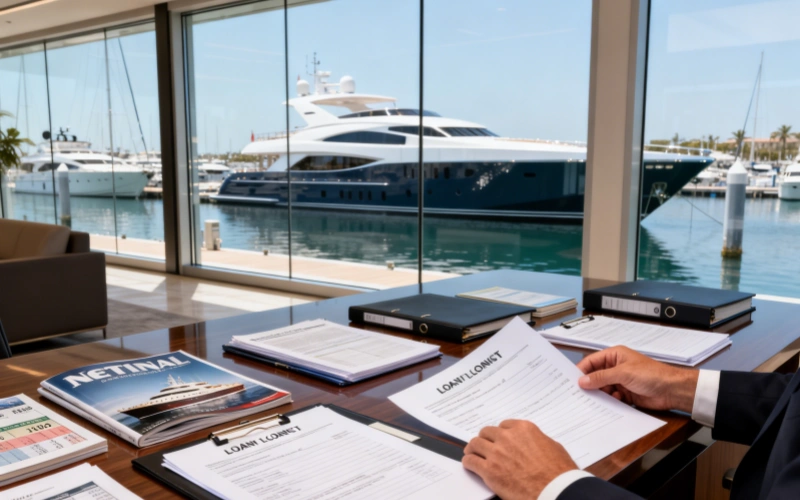
Boat loan requirements vary by lender, country, and individual circumstances. However, most lenders typically require documents related to both the buyer and the yacht being financed.
Buyer Documents
Common buyer documents may include:- Passport or identification
- Proof of income
- Bank statements
- Tax documents (if required)
- Credit information
- Proof of available down payment funds
Yacht Documents
Lenders may also request information about the vessel, including:- Purchase agreement
- Yacht specifications and vessel details
- Purchase price
- Registration information
- Ownership documents
Buyers should confirm document requirements directly with lenders before submitting a loan application.
How Much Can You Borrow for a Boat Loan?
The amount you can borrow is usually determined by both buyer qualifications and vessel-related factors, including:- Credit history and credit score
- Income and debt obligations
- Available down payment
- Yacht purchase price and appraised value
- New yacht or used yacht selection
- Vessel age, condition, and documentation
- Loan-to-value (LTV) ratio
Before selecting a yacht, buyers should understand their potential borrowing range and monthly repayment capacity. This helps avoid choosing a vessel that does not match their available financing options.
How Much Down Payment Do You Need for a Boat Loan?
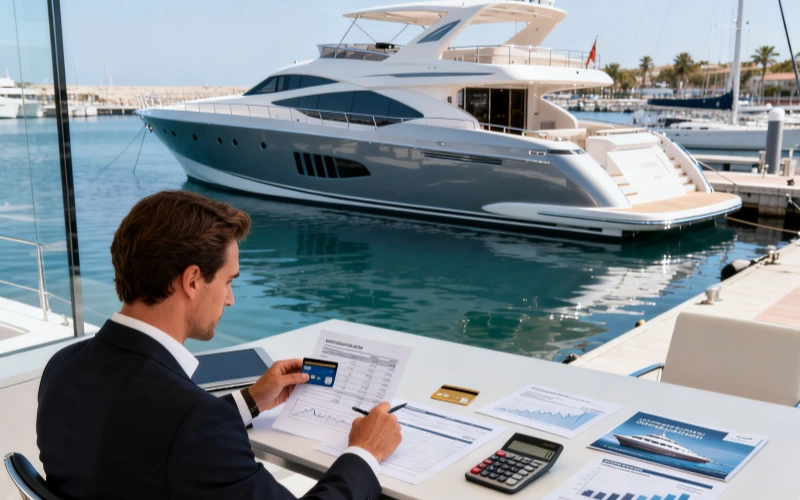
There is no fixed down payment requirement for boat loans. The amount depends on several factors, including:
- Yacht purchase price
- Vessel age and condition
- Loan amount
- Credit history
- Lender requirements
A lower LTV means the buyer is financing a smaller percentage of the yacht's value, which may reduce lender risk and potentially improve financing approval conditions.
For example, buyers who provide a larger down payment may reduce the amount borrowed and create a lower LTV ratio.
Buyers should also keep additional funds available for ownership costs such as insurance, maintenance, and marina fees.
A larger down payment can reduce the loan amount and may lower total interest costs.
Boat Loan vs Cash Purchase: Which Option Is Better?
When purchasing a yacht, buyers often choose between financing and paying entirely in cash.The right option depends on your financial goals, cash flow needs, and long-term ownership plans.
| Comparison | Boat Loan Purchase | Cash Purchase |
|---|---|---|
| Payment Method | Spread the purchase cost over time through monthly payments | Pay the full purchase amount upfront |
| Cash Flow | Keeps more available capital for investments, business, or ownership expenses | Requires a large upfront financial commitment |
| Additional Cost | Includes interest and financing fees | Avoids loan interest costs |
| Buying Process | Requires lender approval and documentation | Usually a simpler transaction |
| Best Suited for | Buyers who want financial flexibility | Buyers who prefer avoiding debt |
Before choosing between financing and cash purchase, consider:
- Whether your available cash can cover future yacht operating costs
- Whether keeping liquidity is important for your financial plans
- Whether financing costs are reasonable compared with other uses of your capital
- Whether you prefer avoiding long-term debt
Boat Loan Tips for International Yacht Buyers
International yacht buyers may face additional considerations when applying for boat financing. Requirements can vary depending on the buyer's country of residence, lender policies, yacht location, and ownership structure.Key factors to consider include:
Lender Eligibility
Some lenders may only finance buyers from specific countries or regions. International buyers may need to work with lenders experienced in cross-border marine financing.Additional Documentation
Depending on the lender and purchase structure, buyers may need additional documents, such as:- Proof of residency
- International tax or financial documents
- Source of funds information
- Ownership structure details
Yacht Registration, Insurance, and Currency
International buyers should also consider:- Where the yacht will be registered
- Insurance requirements
- Tax obligations
- Currency differences between loan payments and income
Yacht Financing Checklist Before Applying
Before applying for a boat loan, yacht buyers should prepare the following:Conclusion: How to Successfully Get a Boat Loan
Successfully financing a yacht requires more than qualifying for a loan. Buyers should consider the borrowing amount, down payment, vessel eligibility, insurance, ownership costs, and long-term repayment capacity before completing a purchase.
Whether you choose financing or cash purchase, the right option depends on your personal financial situation and yacht ownership goals.
Ready to Find Your Next Yacht?
Explore available yachts for sale and find a vessel that matches your budget and requirements.
👉 Explore Yachts for Sale
About This Guide
This guide provides general information about how to get a boat loan, including financing steps, required documents, and key considerations for yacht buyers.
The information is based on common marine financing practices. Loan requirements and approval criteria vary by lender, country, vessel type, and individual circumstances.
Disclaimer
This article is for informational purposes only and does not provide financial or legal advice. Always consult professional lenders or advisors before making financing decisions.
FAQ
Q1: Can you get a loan to buy a yacht?
A: Yes. Many banks, credit unions, and specialized marine lenders offer boat loans for purchasing new and used yachts.
Q2: What credit score do you need for a boat loan?
A: Credit requirements vary by lender. A stronger credit score may improve your chances of receiving better financing terms, but approval also depends on income, debt level, and yacht value.
Q3: Can you finance a used yacht?
A: Yes. Many lenders provide financing for used yachts, although they may review the vessel's age, condition, market value, and require a marine survey.
Q4: How long does boat loan approval take?
A: Approval times vary depending on the lender, application completeness, and whether vessel inspection and valuation are required.
Q5: Is a marine survey required for a boat loan?
A: Not always. However, lenders or insurance companies may require a marine survey for used yachts, high-value vessels, or certain financing programs to confirm condition and value.
Q6: Can foreigners get a boat loan?
A: Yes, foreigners may be able to obtain boat financing, but availability depends on the lender, buyer's country of residence, financial profile, and yacht location. International buyers may need additional documentation or work with lenders experienced in cross-border marine financing.
Q7: Can you finance a yacht internationally?
A: International yacht financing may be available through specialized marine lenders or financial institutions, depending on the transaction structure, vessel registration, ownership arrangement, and buyer qualifications. Requirements vary by lender and country, so buyers should confirm financing options before purchasing a yacht.