



In 2026, most 100-foot yachts cost roughly US$5 million to US$30 million, depending on age, brand, condition, equipment, refit history and build type. Older used 100ft yachts may appear below US$5 million, while new or highly customised 100ft+ yachts can exceed US$30 million to US$50 million.
Introduction
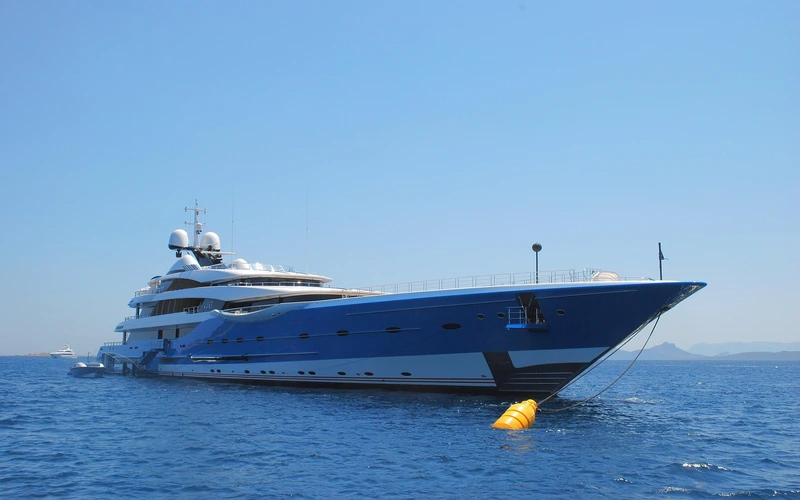
My first time aboard a 100-foot yacht was at Marina Bay in Singapore. It was only when I actually stepped inside the cabin that I realised it was more like a private mansion floating on the sea – the master suite, formal dining room, sea-view bar, separate crew quarters and vast flybridge leisure area all far exceeded the concept of an ordinary yacht.
At the same time, however, a 100-foot yacht represents a completely different budget bracket. From the purchase price to crew, mooring, fuel, insurance and ongoing maintenance, every expense is significantly higher than for a standard yacht.
This article will provide a detailed look at the price range for 100-foot yachts, the differences between new and pre-owned vessels, popular brands, and the actual annual running costs once you own one, all from a real-world market perspective.
If you are considering buying a 100-foot yacht, this article offers a perspective closer to that of a real buyer than a mere list of specifications.
Price Differences Between Different Types of 100-Foot Yachts
Many people new to the superyacht market often wonder: why do some 100-foot yachts sell for just a few million dollars, whilst others command tens of millions?
The reason is actually quite simple. ‘100 feet’ is merely a measurement; it does not define the yacht’s positioning. Different types of 100-foot yachts vary significantly in design, purpose, range and build quality, and these factors directly influence the price.
Currently, 100-foot yachts on the market can be broadly categorised into sports yachts, flybridge yachts, explorer yachts and fully custom-built superyachts.
Sporty 100-foot Yachts
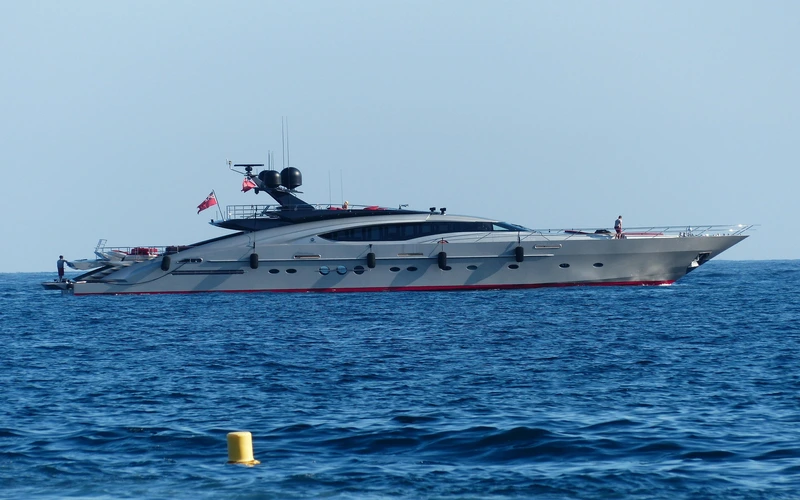
Sporty 100-foot yachts are typically produced by Italian brands such as Pershing and Riva. The defining characteristics of this category are their speed, aggressive styling and a strong emphasis on entertainment. Many of these vessels can cruise at speeds exceeding 30 knots, offering a driving experience akin to a supercar on the water.
Current market conditions:
• Second-hand prices range from approximately US$5 million to US$12 million
• Brand-new models typically cost over US$15 million
This type of yacht is better suited to buyers who enjoy high-speed cruising and on-board entertainment.
100-foot Flybridge Yachts
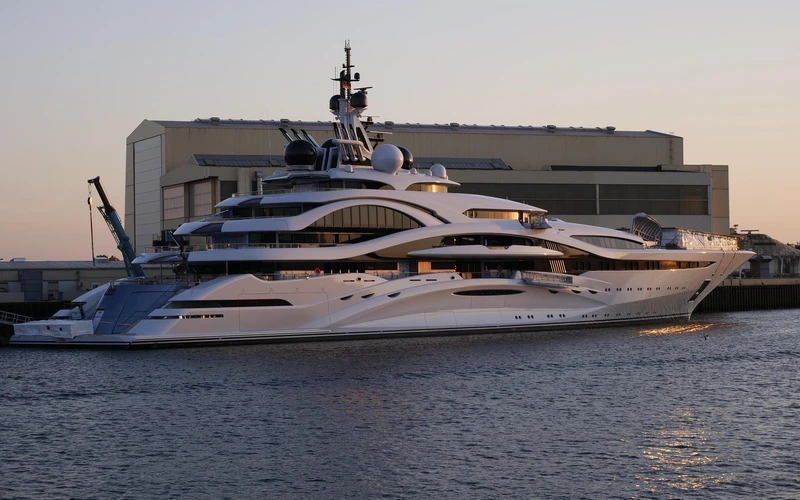
Flybridge yachts are currently the most mainstream type of 100-foot yacht on the market. Ferretti, Princess, Sunseeker and Azimut are all popular brands in this sector.
Compared to sports yachts, flybridge models place greater emphasis on spaciousness and a comfortable lifestyle experience, making them particularly suitable for family use and socialising with large groups. The flybridge area is typically equipped with a bar, dining table and leisure space, making it highly popular in the Asian market.
Current market figures:
• Mainstream pre-owned prices range from approximately US$7 million to US$14 million
• Brand-new models generally exceed US$20 million
For most first-time buyers entering the superyacht market, flybridge yachts are usually the most balanced choice.
Explorer Yacht
The fastest-growing segment in recent years has actually been the Explorer Yacht. An increasing number of high-net-worth buyers are prioritising long-term global cruising and transoceanic capabilities, rather than merely coastal leisure.
These yachts typically offer greater range, larger fuel tanks and superior stability, making them better suited to extended life at sea.
However, their construction costs are also significantly higher.
Current 100-foot class Explorer Yachts:
• New builds typically start at US$25 million
• High-end custom models may exceed US$50 million
For owners planning extended voyages or round-the-world cruises, this type of vessel offers greater practicality.
Fully Customised Superyachts
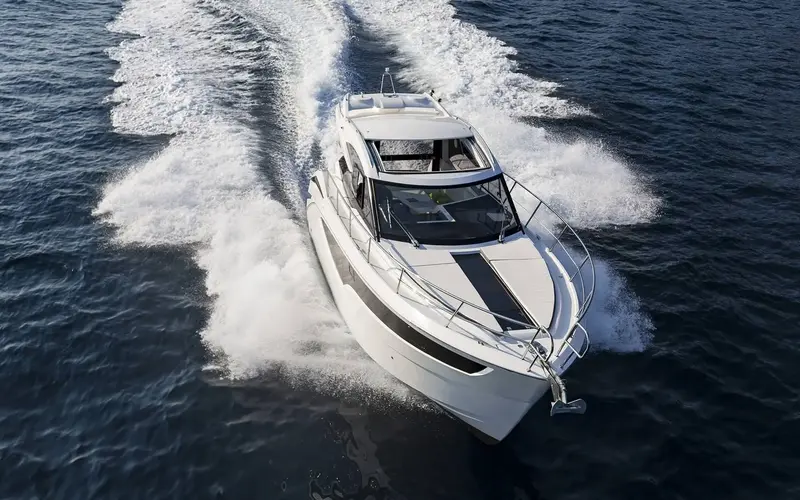
Fully customised superyachts represent the very pinnacle of bespoke private commissioning. The owner is involved in the entire design process, including the interior, flybridge layout, entertainment systems, spa areas and even the helicopter deck.
The defining feature of this category of yacht is that it is built entirely to the owner’s specifications, though the cost is correspondingly high.
Currently, many 100-foot fully custom superyachts:
• Start at over US$30 million
• Top-tier projects can even approach US$100 million
Furthermore, the construction cycle for such vessels typically spans 3–5 years, and their long-term maintenance costs are far higher than those of standard mass-produced yachts.
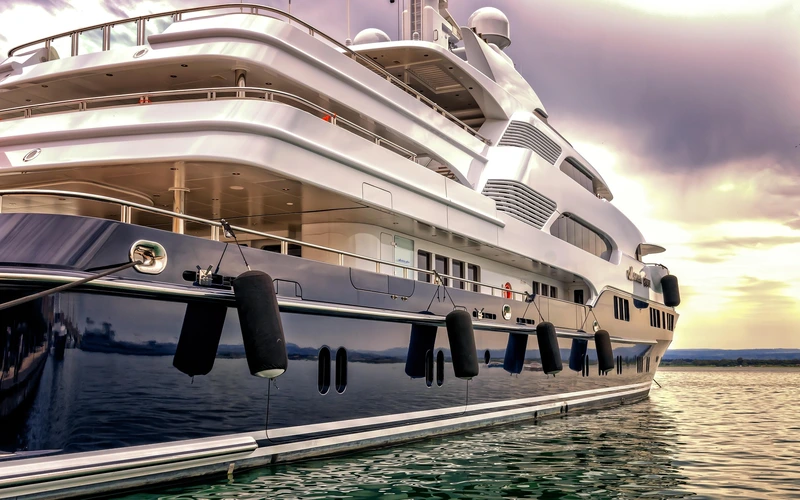
Analysis of Popular 100-Foot Yacht Brands and Prices in 2026
The 100-foot yacht market in 2026 will continue to be dominated primarily by Italian, British and Taiwanese brands.
Currently, Ferretti, Azimut, Sunseeker, Princess, Ocean Alexander and Horizon are all highly talked-about brands in the market.
Ferretti has long been a key representative of high-end luxury yachts, with interiors exuding a strong sense of sophistication and an overall style reminiscent of an Italian maritime mansion. Azimut, on the other hand, has a younger appeal, featuring radical exterior designs that strongly emphasise modernity and visual impact. Sunseeker leans more towards entertainment-oriented superyachts, catering to those who enjoy maritime parties, high-speed cruising and business hospitality.
In contrast, Princess places greater emphasis on comfortable cruising and balance, whilst Horizon and Ocean Alexander have seen significant growth in the Asian market in recent years, as more and more buyers begin to prioritise the long-term experience of life at sea, rather than merely speed and appearance.
Below is a reference guide to the approximate price ranges for popular 100-foot yacht brands in 2026:
| Brand | Key Features | New Price Guide | Used Price Guide |
| Ferretti | Luxurious feel, high-end Italian interiors | $18–30 million | $9–18 million |
| Azimut | Youthful design, strong modern aesthetic | $15–25 million | $8–15 million |
| Sunseeker | Strong entertainment focus, high-speed cruising | $16–28 million | $9–17 million |
| Princess | Comfortable cruising, well-balanced for family use | $14 –24 million | $7–14 million |
| Horizon | High space utilisation, suitable for long-term living | $12–22 million | $7–15 million |
| Ocean Alexander | Popular in the Asian market, excellent living experience | $18–30 million | $10–20 million |
Over the past few years, I have met many Asian yacht owners. Initially, their attention is often drawn to Italian brands, but when they are seriously considering long-term use, many ultimately turn to Horizon or Ocean Alexander. This is because, for long-term life at sea, ‘living comfortably’ is often more important than simply ‘looking luxurious’.
New vs Used 100-foot Yachts: Which is Better?
This is the most pressing dilemma for many buyers entering the superyacht market. However, there is no definitive answer. Both new and pre-owned 100-foot yachts have distinct advantages; the key factors ultimately depend on your budget, usage requirements and long-term ownership plans.
Below is a rough price comparison for new and pre-owned 100-foot yachts in 2026:
| Yacht Type | New Price Guide | Used Price Guide |
| 100-foot Sports Yachts | $15–30 million | $5–12 million |
| 100-foot Flybridge Yachts | $18–30 million | $7–15 million |
| Explorer Yachts | $25–50 million | $12–30 million |
| Fully Custom Superyachts | $30–100 million | $15–50 million |
For many first-time buyers of large yachts, the greatest appeal of a brand-new vessel usually lies in the ‘peace of mind’ it offers. In recent years in particular, significant progress has been made in smart controls, noise-reduction technology and energy systems for large yachts; many new vessels are now equipped with hybrid propulsion, AI monitoring and intelligent energy management systems, offering an overall experience that is considerably more advanced than previous generations.
Recent yacht show coverage and builder announcements show that hybrid propulsion, smarter monitoring systems and onboard energy management are becoming more common in the 30-metre yacht segment.
However, the biggest drawback of new yachts is equally stark: they are expensive and depreciate rapidly. Many brand-new 100-foot yachts may see their value drop by 20–35% within the first three years. It is precisely for this reason that an increasing number of buyers are turning their attention to used yachts for sale, hoping to enter the superyacht market on a more modest budget.
By comparison, the greatest advantage of a pre-owned yacht is its value for money. For the same budget, you can usually acquire a larger vessel with higher specifications, and the previous owner has often already absorbed the most severe phase of depreciation. Furthermore, pre-owned yachts are usually available for immediate delivery, eliminating the need to wait for a 2–4-year build cycle.
However, it is important to note that the greatest risk with pre-owned yachts stems from hidden maintenance issues. This is particularly true for yachts over 100 feet, which involve complex main engines, stabilisers, electrical and hydraulic systems. If the survey is not thorough, subsequent repair costs can be staggering.
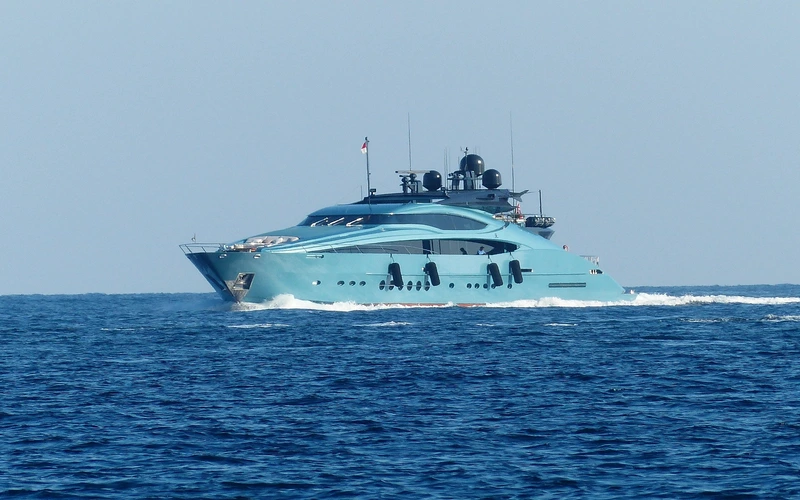
The Annual Cost of Owning a 100-Foot Yacht
Many people, when first encountering superyachts, tend to underestimate the ongoing running costs. In reality, however, for a 100-foot yacht, it is often not the purchase itself but the subsequent ownership and operation that prove to be the real long-term financial drain.
There is a classic saying in the industry: ‘If you can afford one yacht, you’d better be able to afford a second.’ Whilst this may be somewhat of an exaggeration, it is certainly a very realistic prospect when it comes to superyachts.
According to 2026 superyacht industry data, the annual operating costs for a large yacht typically amount to 10–15% of the vessel’s purchase price.
This is why annual yacht running costs have always been one of the key concerns for buyers.
The main annual expenses for a 100-foot yacht typically include crew wages, mooring fees, fuel, insurance, repairs and annual maintenance. Of these, crew and fuel are often the most costly items. However, many buyers tend to overlook hidden costs such as dry docking, stabiliser maintenance, teak refurbishment and electronic system upgrades.
As a practical benchmark, annual running costs for a 100-foot yacht often fall around 10%–15% of the yacht’s market value. For a US$10 million yacht, that may mean US$1 million–US$1.5 million per year. For a US$20 million yacht, US$2 million–US$3 million per year is a realistic planning range.
For high-speed, performance-oriented 100-foot yachts in particular, fuel costs may be significantly higher than the table averages. Furthermore, mooring fees will rise substantially if the yacht is berthed long-term at popular marinas such as Monaco, Singapore, Hong Kong or Miami.
Is a 100-foot yacht worth buying?
There is actually no standard answer to this question. Ultimately, whether a 100-foot yacht is worth it depends entirely on how often you use it.
If you only go out to sea a few times a year, mainly for business entertainment or the occasional holiday, then chartering a large yacht is often a more cost-effective option.
This is because the biggest cost associated with a 100-foot yacht is actually ‘downtime’. Even when the boat is stationary, costs continue to accrue.
However, if you truly enjoy a long-term life at sea, frequently take family cruises, or undertake extensive international voyages each year, then owning your own 100-foot yacht offers a completely different experience.
Especially after spending a significant amount of time living at sea, you will discover that a large yacht offers not merely a ‘sense of luxury’, but rather a profound sense of freedom.
You can alter your course at any moment, linger on islands for extended periods, avoid hotels and tourists, and truly enjoy a completely private space at sea. And this experience is, in fact, difficult to measure simply in monetary terms.
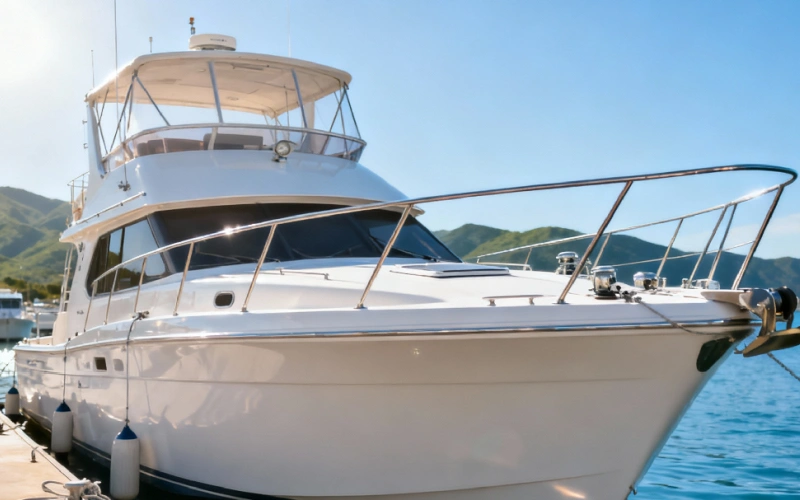
100-foot Yacht Buying Checklist
For those entering the superyacht market for the first time, choosing a model is often the most challenging part. This is because the 100-foot class is already seeing distinctly different product positioning. Some emphasise speed, others focus on long-range cruising capabilities, whilst others are more akin to luxury homes at sea. For guidance on how to select a yacht, you may also refer to yacht buying guide.
The models listed below are among the hottest topics of discussion in the market for 2026 and are well-suited as a reference for your yacht buying guide.

Ocean Alexander 30 Revolution Skylounge
- Length98.40 ft
- Cabins5
- Top speed22 kn
- TypeBusiness yacht
The Ocean Alexander 30 Revolution Skylounge is a 30‑meter luxury motor yacht designed for long‑distance cruising and sophisticated onboard living. Featuring Ocean Alexander’s signature bold exterior, spacious interiors, and advanced engineering, it combines American‑influenced comfort with high‑performance capabilities. Ideal for family vacations, coastal cruising, and private entertaining
Ocean Alexander has seen significant growth in the Asian market in recent years, with the 30 Revolution Skylounge in particular becoming a model of key interest to many high-net-worth families in Asia.
Its most striking feature is its exceptional sense of space. The Skylounge layout, in particular, makes the entire vessel resemble a penthouse apartment at sea. The seamless flow between the flybridge, the main saloon and the outdoor leisure areas creates a very comfortable atmosphere, making it particularly well-suited for socialising with large groups and long-term family living.
Horizon E100
- Length99.60 ft
- TypeSuper yacht
The Horizon E100 is a large luxury yacht model comparable to super yachts over 100 feet (30 meters) in length, designed to maximize the owner's leisure and social entertainment needs at sea. Besides inheriting the exceptional stability, sailing efficiency, and maneuverability provided by the high-performance hull design of the E90 model in the same series, the E100 boasts a generous beam of 23 feet (7 meters), offering extremely spacious indoor and outdoor areas. The main deck interior features an open-plan layout, with a spacious main salon, bar, open kitchen, and U-shaped sofa area, all seamlessly connected to provide a comfortable and expansive space for the owner's leisure activities and social events.
Horizon has long been a consistently strong and reliable brand in the Asian market. Its greatest strength lies in its deep understanding of Asian buyers. For instance, whilst many European brands allocate a significant amount of space to entertainment areas, Horizon tends to place greater emphasis on storage, the galley and long-term living comfort.
The E100 is particularly well-suited to long-term family use. Its layout is highly practical, and it offers an excellent cruising experience in tropical regions. Many Southeast Asian owners are particularly fond of this type of platform, as it prioritises the actual user experience rather than merely visual design.
Ferretti 1000 2000 M96L
- Length98.10 ft
- Top speed28 kn
- TypeFlybridge yacht
The 90' Argo, a constellation in the southern skies, stands as a unique exemplar of the new generation of Riva flybridge yachts. With a name that evokes legends, coupled with futuristic design and an array of high-tech solutions, the 90' Argo's irresistible aesthetic appeal has cemented its status as an unshakeable rising star in the global yachting world.
Ferretti remains a truly iconic name in the superyacht market. Many people, upon entering a Ferretti cabin for the first time, feel as though they have stepped into a European mansion. The lighting, materials and furniture selection all emphasise a sense of luxury.
At the same time, Ferretti places great importance on the entertainment atmosphere. The flybridge layout, sea-view lounge areas and open-plan saloon are all ideally suited to business hospitality and socialising at sea.
However, relatively speaking, the long-term maintenance costs for this type of Italian luxury yacht are usually higher, as the systems are often more complex.
Azimut Magellano 30
- Length97.60 ft
- Cabins5
- Top speed20 kn
- TypeSport yacht
The exterior of the Azimut Magellano 30 METRI in Italy was designed by Ken Freivokh. Ken Freivokh is renowned in the yacht design industry and is the designer of several of the world's best superyachts. The vision that guides the design of the yacht's exterior is very simple: to create an eternal and refined aesthetic that is not influenced by fashion and trends.
The Azimut Magellano 30 is a type of yacht I personally favour greatly. This is because it does not simply prioritise speed; rather, it truly emphasises comfortable long-distance cruising.
In recent years, an increasing number of buyers have come to realise that the essence of long-term life at sea lies not in ‘how fast you can go’, but in ‘living comfortably’.
The Magellano series captures this perfectly.
It boasts excellent long-range cruising capabilities and superb stability, making it ideal for extended cross-regional voyages.
This makes it particularly comfortable for those planning future round-the-world voyages or long-term island living.
It is precisely for this reason that the Magellano series has seen a marked rise in market popularity in recent years.
Summary
A 100-foot yacht has truly entered the realm of superyachts. It represents not only greater space and a higher level of luxury, but also a completely different budget for purchase and a distinct operational framework.
Looking at the market in 2026, the price of a 100-foot yacht ranges from several million to tens of millions of dollars, whilst annual costs such as crew, mooring, fuel and maintenance represent a significant long-term expenditure. Therefore, whilst buyers focus on the purchase price, they must also carefully assess the subsequent running costs.
Whether opting for a new or pre-owned vessel, a sport cruiser or a cruising yacht, what truly matters is not which is ‘the most expensive’, but whether it meets one’s specific usage requirements and lifestyle. For many long-term owners, the real appeal of a 100-foot yacht often lies not merely in its luxury, but in the sense of freedom that life at sea brings.
About the author
Written by the YachtTrading Editorial Team.
This article was prepared using publicly available yacht brokerage listings, superyacht industry reports, yacht-show market observations and operational cost references from established yacht industry sources.
Content may be reviewed periodically to reflect changes in market pricing, yacht availability and industry trends.
Disclaimer
The content herein is for informational purposes only and is intended to share the author's personal experiences and perspectives. It does not constitute legal, tax, or investment advice. Yacht transactions involve complex legal, financial, and technical matters. Actual purchasing processes may vary due to regional regulations, vessel type differences, or individual circumstances. Before making any yacht purchase decisions, readers are advised to consult licensed professionals (such as attorneys, tax advisors, licensed yacht brokers, or surveyors) for personalized guidance tailored to their specific situation. Neither the author nor the publisher shall be liable for any direct or indirect losses arising from reliance on the information provided herein.
FAQ
Q1: How many crew members does a 100-foot yacht require?
A: A 100-foot yacht typically requires between four and eight professional crew members, with the exact number depending on the vessel type and intended use. For extended transoceanic voyages or high-end corporate hospitality, the crew complement is often further increased. At this scale, the yacht involves complex systems maintenance, safety management and round-the-clock service, making it unsuitable for the owner to operate entirely on their own.
Q2: Can a 100-foot yacht undertake transoceanic voyages?
A: Yes, but not all 100-foot yachts are suitable for transoceanic voyages.Those truly suited to transoceanic voyages are usually Explorer Yachts or cruising superyachts. These vessels typically offer greater range, superior stability and higher fuel reserves. Some high-speed sports yachts, whilst fast, are not suitable for extended ocean-going cruises.
Q3: How much does fuel cost for a 100-foot yacht per year?
A: Fuel costs vary considerably.For standard coastal cruising, annual fuel costs may range from US$150,000 to US$400,000. However, for high-speed sports yachts, or those undertaking frequent long-distance voyages, fuel costs can easily exceed US$800,000. The higher the cruising speed, the more significant the increase in fuel consumption tends to be.
Q4: What's the easiest thing to overlook when buying a 100-foot yacht?
A: What many people most easily overlook is actually the ongoing maintenance system.The real complexity of large yachts lies not in the purchase itself, but in their long-term operation. This includes crew management, berthing resources, maintenance schedules, system upgrades, and hidden maintenance costs, all of which continuously increase the burden of ownership.