For first-time buyers, small motor yachts measuring 25–40 ft are the safest and easiest entry-level option. Among these, sport cruisers and flybridge yachts are the two hull types best suited to beginners.
👉 The 3 most recommended yacht types for beginners:
25–30ft sport cruisers: Lowest barrier to entry, easiest to handle
30–35ft entry-level flybridge yachts: the best balance for families
30–40ft small to medium-sized cruising yachts: comfort + stability + long-term ownership
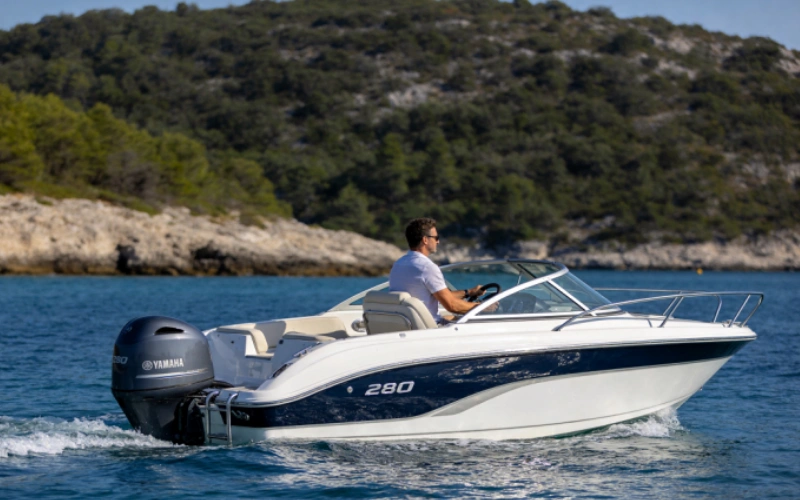
What Constitutes a Small Yacht Suitable for Beginners?
In the yachting industry, the term ‘small yacht suitable for beginners’ is not merely a marketing concept, but one with clear market boundaries. For buyers comparing entry-level yacht options, understanding the mini yacht price guide can also help clarify expected purchase budgets, running costs and value differences between smaller yacht categories.According to IYBA and European brokerage market classification standards:
Small motor yachts refer to yachts in the 20–40 foot (6–12 metre) range
This range is significant because it determines three key factors:
- Whether mooring can be managed by a single person
- Whether a crew is required
- Whether annual maintenance costs are manageable
H3 Classification criteria for small yachts
| Size range | Definition | Beginner-friendliness |
| 20–25ft | Entry-level speedboat | ⭐⭐⭐⭐ |
| 25–30ft | Golden beginner range | ⭐⭐⭐⭐⭐ |
| 30–35ft | Family upgrade range | ⭐⭐⭐⭐ |
| 35–40ft | Entry-level luxury | ⭐⭐⭐ |
Why is 40ft the dividing line for yachts?
According to the NMMA’s industry statistics report: once a yacht exceeds 40 ft, average maintenance costs increase by approximately 35%–60%, and berthing requirements become significantly more demanding.
In other words: 40ft marks the dividing line between ‘effortless sailing’ and ‘semi-professional management’.
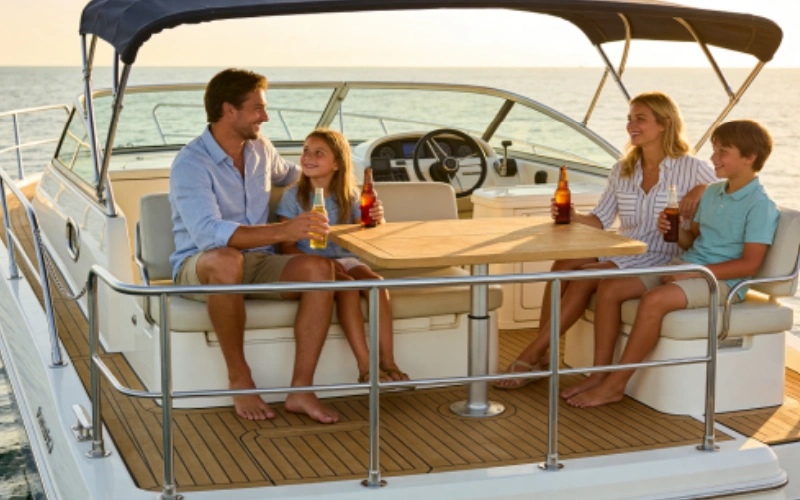
H3 How Different Yacht Sizes Affect Beginners
Manoeuvrability Difficulty Curve- 25ft: Similar to driving an SUV
- 30–35ft: Requires training in spatial awareness
- 40ft: Requires systematic manoeuvring experience
Based on broker experience:
- Under 30ft: 90% of beginners can moor independently
- 30–40ft: Requires assistive systems (thrusters)
- Over 40ft: Two-person operation recommended
| Size | Percentage of Annual Maintenance Costs |
| 25–30ft | 5–7% |
| 30–40ft | 7–10% |
| 40–60ft | 10–15% |
The Most Common Mistakes Beginners Make When Buying Small Yachts
Having been involved in yacht sales in the Mediterranean and Florida for over a decade, I have seen far too many novice buyers fall into pitfalls with their first yacht.There are just three typical issues:
Novices Over-Prioritising Size
Many buyers say right from the start: “I want to buy a yacht over 50ft straight away, so I can get it right first time.”The reality is:
- Mooring fees double
- Enormous pressure to handle the vessel
- Usage frequency actually decreases
Overlooking Mooring Costs
In Miami, the annual fee for a 40ft yacht berth can range from $12,000 to $25,000, whereas a 30ft berth might cost only half that.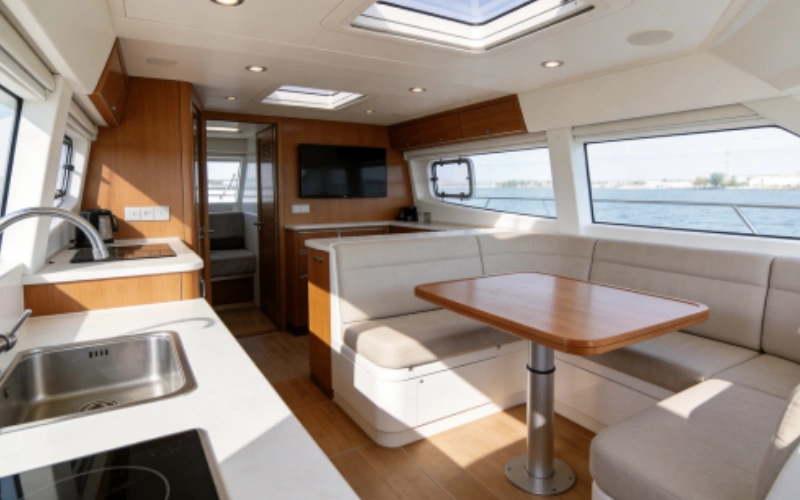
Neglecting the Survey
I once witnessed a case where:- Buyer neglected the survey
- Hidden engine issues discovered 6 months later
- Ultimately sold at a loss
| Type | Result |
| Failed purchase (too large + cost oversight) | Resold within 6 months |
| Correct choice (30–35ft entry-level yacht) | Usage frequency tripled |
What Makes a Yacht Beginner-Friendly?
I typically use a four-dimensional decision-making model to assess:Handling System
Key Technologies:- IPS Propulsion System (superior to traditional shaft drive)
- Bow Thruster
- Joystick Docking (maneuvering aid)
Stability Engineering
Core Principles:- Beam width determines lateral stability
- Displacement hulls are better suited to areas with complex sea conditions
Cost Architecture
Industry Average:📌 Total Cost of Ownership for a Yacht ≈ Purchase Price × 5–10%/year
Includes: maintenance, mooring, insurance, anti-fouling
Usage Fit
The three most common requirements for beginners:- Family weekend getaways
- Socialising at sea
- Short cruises (1–2 days)
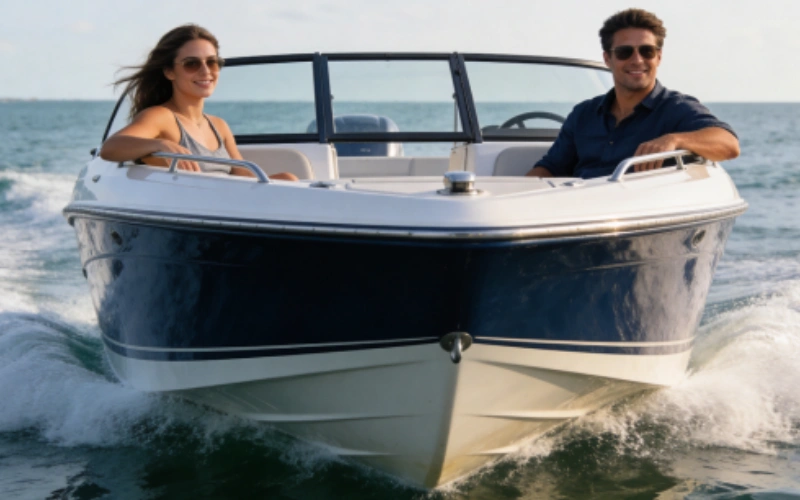
Best Small Yachts for Beginners (2026 Buying Guide)
Based on the above criteria, the following three categories of small yachts are the most common preferred choices for beginners:25–30ft Sport Cruisers: Beginner Yacht
Features:- Eeasy to handle yacht
- Fuel-efficient
- Can be operated by a single person
30–35ft Flybridge Yachts: Entry Level Yacht
Features:- Excellent visibility from the upper deck
- More spacious
- Greater stability
30–40ft Weekend Cruisers: The Comfort Option
Features:- Suitable for long-term ownership
- Superior in-cabin living experience
- Greater social appeal
👉 Browse entry-level motor yachts
Best Small Yachts for First-Time Buyers
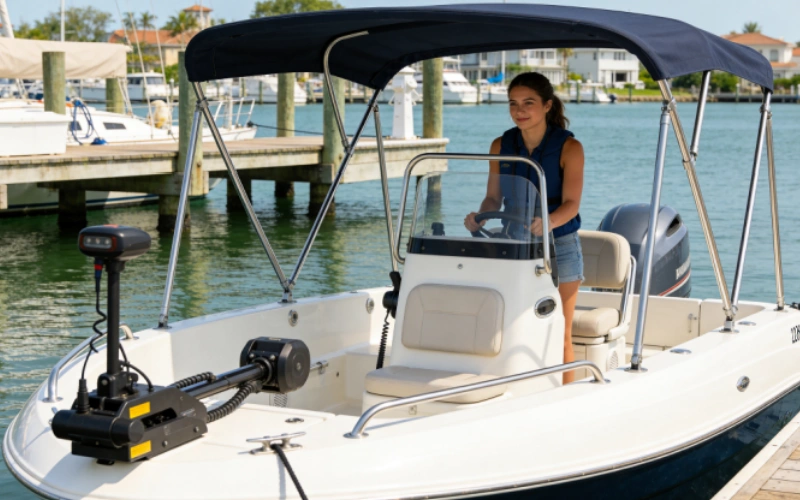
Below are five specific yacht models recommended for beginners from a broker’s perspective, along with their features. Note: All dimensions are measured in overall length.Jeanneau Merry Fisher 895
Type: Sport cruiserLength: 29ft
Price: From $130,000
Features: One of Europe’s best-selling entry-level yachts. This yacht offers a full two-cabin layout, with a double cabin at both the bow and stern, and a central lounge area capable of seating four for dining. A full-headroom bathroom and a powerful single outboard engine combine to create a low-cost, highly practical configuration. This small motor yacht for beginners offers excellent stability when entering the water and is simple to handle; coupled with low fuel consumption, it is an ideal choice for families new to boating looking for weekend getaways.
Beneteau Antares 9
Type: Weekend cruising yachtLength: 30ft
Features: A French brand known for reliable and practical performance. The Antares 9 features a wide-body hull and twin-engine configuration, offering excellent buoyancy and visibility. The helm station provides good visibility, and the deck layout is compact yet comfortable. Its interior space is utilised efficiently; even at around 30 feet, it accommodates two berths, making it highly suitable for short trips and an economical choice for beginners. The Antares 9 has a high resale rate, strong market liquidity and retains its value well.
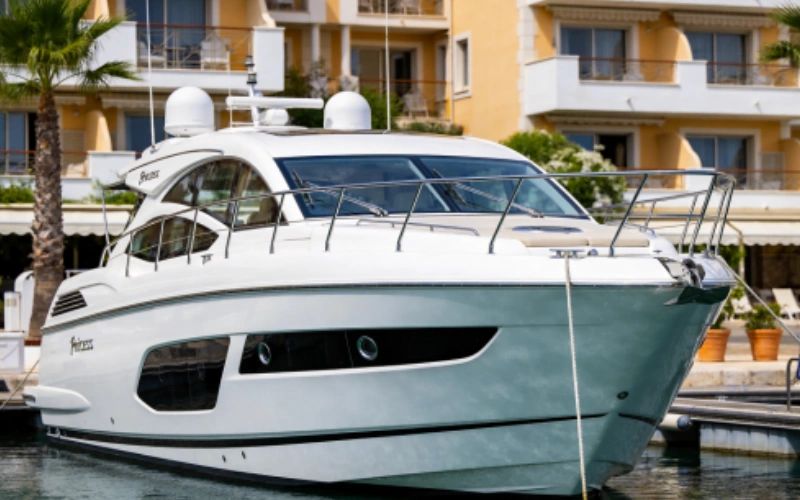
Princess V40
Type: Luxury Sport YachtLength: 40ft
Features: Beginner yachts under 40ft. The V40 is a sports yacht from the British Princess brand, offering superior craftsmanship and comfort compared to its peers. It features high-end interiors, with cabin space comparable to larger yachts. Striking a perfect balance between size, ease of handling and luxury, it is a yacht with strong offshore cruising capabilities, yet remains effortless to operate solo or with a crew of two.
⚠️ Note: Maintenance costs for this yacht are significantly higher than those of entry-level models
Bavaria Sport 330/360
Features: A German brand known for its simple construction and ease of maintenance, often dubbed the ‘King of Value for Money’. For example, the Sport 330 and 360 series feature a wide-body design with a compact and practical interior layout, and come with standard specifications that prioritise practicality over luxury. It can be considered the European equivalent of an entry-level choice; the downside is a lower brand premium, though this actually results in better resale liquidity.Best Small Yachts Comparison Table
| Model | Size | Price | Best For |
|---|---|---|---|
| Jeanneau Merry Fisher 895 | 29ft | From $130,000 | First-time yacht owners |
| Beneteau Antares 9 | 30ft | From $140,000 | Family weekend cruising |
| Princess V40 | 40ft | From $500,000 | Luxury first yacht |
If you are considering your first yacht but are unsure whether the size or model is right for you—
👉 See beginner yachts for sale (25–40ft)
Yacht types unsuitable for beginners
- Flybridge yachts over 50ft: Complex to handle
- High-performance racing yachts: High risk
- Custom-built ocean-going yachts: Complex systems
For example, the annual maintenance costs for a 90-foot superyacht typically range from US$150,000 to US$300,000; for a superyacht over 200 feet, annual maintenance costs may exceed US$1 million. Furthermore, speedboats and similar vessels demand advanced driving skills and offer poor stability in rough seas, making them particularly hazardous for inexperienced beginners. Therefore, beginners should avoid these overly complex and expensive options.
Costs of Buying a Yacht for Beginners
Taking all costs into account, the cost structure for a beginner purchasing a yacht is roughly as follows:| Cost | Percentage | Description |
| Purchase Price | 100% | One-off |
| Annual Maintenance | 5–10% | Repairs + servicing |
| Moorage Fees | 5–15% | Varies greatly by region |
| Insurance | 1–3% | Depends on the age of the yacht |
Process for Beginners Buying a Yacht
Establish a Budget: In addition to the purchase price, you must factor in annual running costs.Select a Boat Type: Based on handling, safety and intended use, narrow down your options to find a yacht type that suits your needs.
Inspect and Test Sail: Never make a decision based solely on photographs or advertisements; experiencing the boat yourself is crucial. During the test sail, focus on handling, visibility and mooring stability.
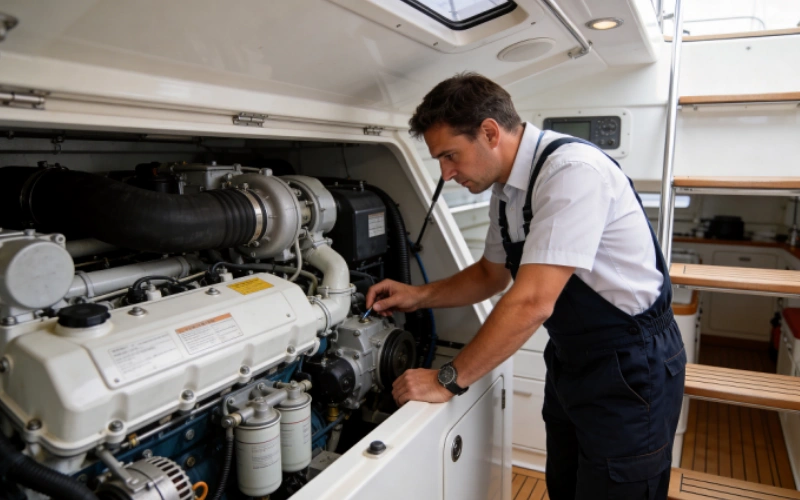
Professional Survey: It is essential to engage a qualified surveyor to inspect the hull and equipment. They can identify issues that ordinary buyers often overlook, such as structural cracks or ageing electrical systems.
Negotiation, Conclusion and Delivery: Once no major issues have been identified, sign the sales contract and arrange for delivery. After completion, familiarise yourself further with the operation and maintenance requirements of the equipment.
Tip: Skipping the sea trial or survey will multiply the risks.
Conclusion
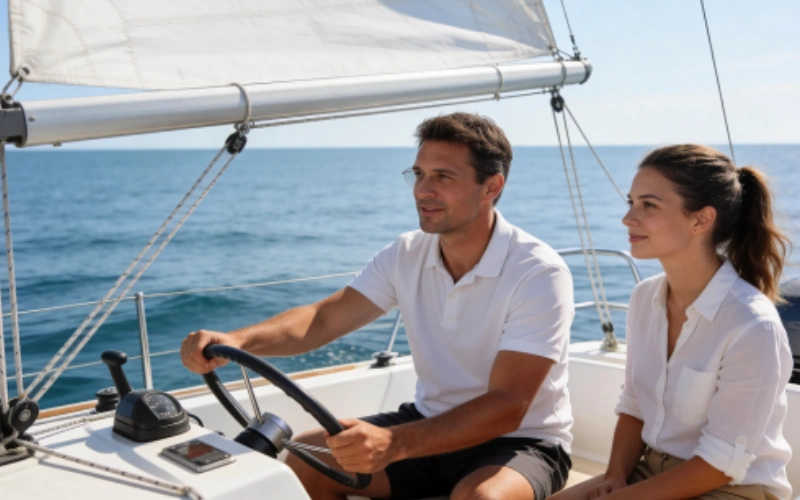
As a broker with extensive experience in the Mediterranean and Florida markets, I have witnessed countless instances where ‘the first yacht determines the success or failure of the experience’.My conclusion is unequivocal: the key to a beginner’s yacht purchase is not size, nor brand, but ‘whether it will allow you to use it consistently’.
A truly excellent entry-level yacht must meet the following criteria:
- Easy to handle
- Cost-effective
- High frequency of use
About the Author
Emery
Yacht Broker / Yacht Transaction Consultant / Contributing Writer for Yachting Magazine
SAMS Certified Surveyor No.: AMS #2458
Previously named one of ‘Asia’s Top 10 Yachting Experts’ and recipient of the ‘Yacht Broker Outstanding Service Award’, amongst others
Last updated: April 2026
Target audience: Suitable for first-time buyers, families, budget-conscious beginners, and buyers prioritising ease of handling and low maintenance costs
Disclaimer
The yacht purchasing advice provided in this article is for reference only. All information, recommendations and data sources listed are based on the author’s professional experience and market research. As each yacht buyer’s needs, budget and preferences vary, we recommend that users consult a professional yacht broker or relevant expert in detail, taking their individual circumstances into account, before making a purchasing decision. The yacht models, prices and maintenance costs mentioned may be subject to change in line with market conditions. We accept no legal liability for any loss or liability arising from reliance on the content of this article. We advise prospective buyers to carry out a detailed hull inspection, sea trial and thorough financial planning during the purchasing process. All prices and data are illustrative; actual circumstances may vary. Please contact the relevant yacht manufacturer or dealer directly for specific information.
FAQ
Q1: What is the best small yacht for beginners?
A: A 25–35ft sport cruiser or flybridge yacht is the best choice for beginners.
Q2: Is a 30ft yacht easy to handle?
A: Yes, a 30ft yacht is considered the most balanced size for beginners.
Q3: Should I buy a new or used yacht as a beginner?
A: In most cases, a used yacht is more suitable for beginners as it involves lower risk.