



There is a wide variety of sailboats. The most practical classification includes small dinghies, small sailboats, cruising sailboats, racing sailboats, and multihull sailboats such as catamarans. Each category serves different purposes. The following is a classification table:
| Classification Method | Main Types |
|---|---|
| Hull configuration | Monohull, catamaran, trimaran |
| Intended use | Cruising, racing, daysailing, training |
| Size and accommodation | Dinghy, daysailer, cabin cruiser, sailing yacht |
| Rig type | Sloop, cutter, ketch, yawl, schooner |
A Comprehensive Classification of Sailboat Types
Sailboats can be classified in several ways, including hull configuration, size, rig type and intended use. For buyers, the most practical categories are dinghies and small sailboats, cruising sailboats, racing sailboats, and multihull sailboats such as catamarans. These categories can overlap.
When actually purchasing a boat, buyers should first consider the intended use of the vessel, the waters in which it will be operated, and the estimated frequency of use, and then narrow down their search to specific boat models.
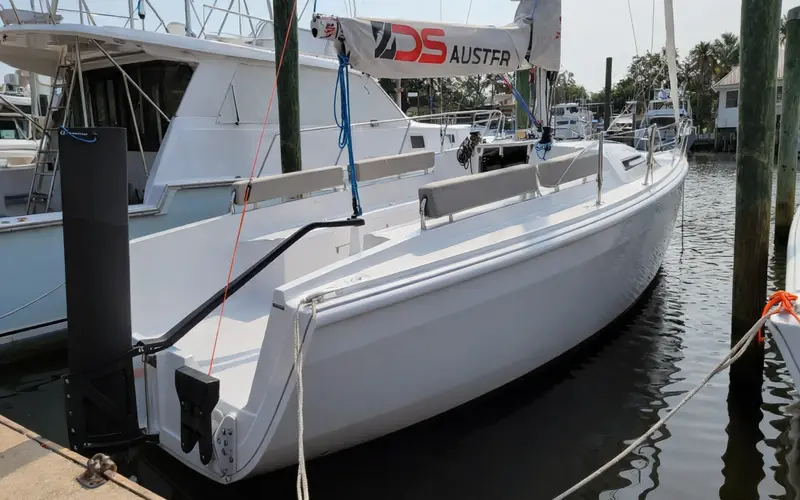
Characteristics and Suitable Scenarios for Small Sailing Boats
Small sailboats have relatively simple systems, but their responsiveness to wind and crew movement can make them physically demanding for complete beginners. This responsiveness also makes them effective training boats when used with proper instruction.The following table summarizes their characteristics:
| Item | Core Features |
|---|---|
| Hull Structure | Open or semi-open design |
| Applicable Water Area | Lakes or inland bays |
| Operation Difficulty | The system is simple; beginners should use it under the guidance of an instructor. |
| Primary Application | Training or sports use |
Most entry-level dinghies and small open sailboats are best used in lakes, sheltered bays and managed coastal sailing areas. They are generally not designed for extended offshore cruising or onboard living.
Comfort and Long-Distance Capabilities of Cruising Sailboats
Cruising sailboats are a very widely used class of vessels on the market, with their design focusing on “striking a balance between sailing performance and living comfort.” They are typically equipped with berths, a galley, storage space, and basic living systems, enabling them to support stays at sea for several days or even longer.
Whether you're a family sailor or an offshore enthusiast, cruising sailboats are among the most frequently discussed options. Their advantage lies in the fact that they meet the needs of recreational sailing while also offering a certain degree of offshore capability, making them suitable for a variety of scenarios.
| Item | Cruising Sailboat |
|---|---|
| Comfort | High |
| Range Capability | Medium - High |
| Space Layout | Living-oriented |
| Target Users | Families or long-distance cruisers |
Cruising sailboats are designed with onboard living needs as a priority, balancing comfort with long-range cruising capabilities, and are the top choice for families and long-distance sailors.
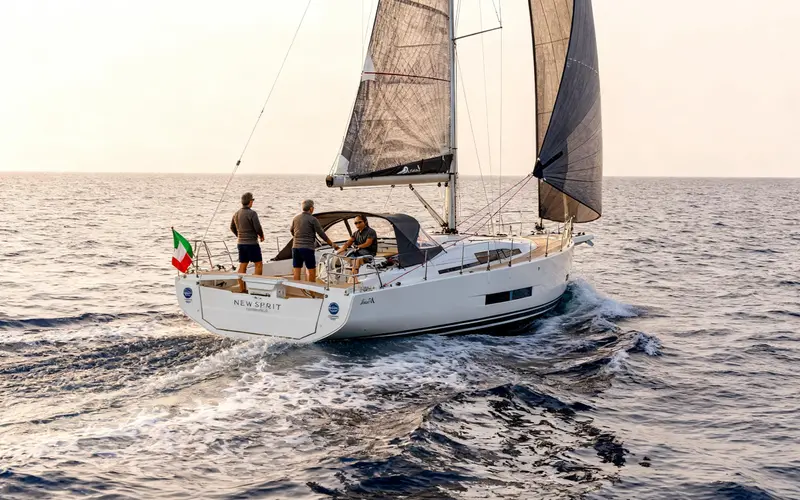
Performance Design of Racing Yachts
The core of racing yacht design is “speed and efficiency.” Therefore, structurally, they typically feature lighter hulls, optimized sail area configurations, and more aggressive hull lines to reduce hydrodynamic drag and increase sailing speed.
At the same time, to enhance performance, racing sailboats often sacrifice some comfort—for example, by reducing living facilities or minimizing cabin space—and are therefore better suited for professional training or competition rather than recreational sailing.
Competitive sailing is governed by the World Sailing Racing Rules of Sailing, while individual classes and rating systems may impose additional requirements relating to hull dimensions, sail area, equipment and crew.
The Stability Advantages of Catamarans
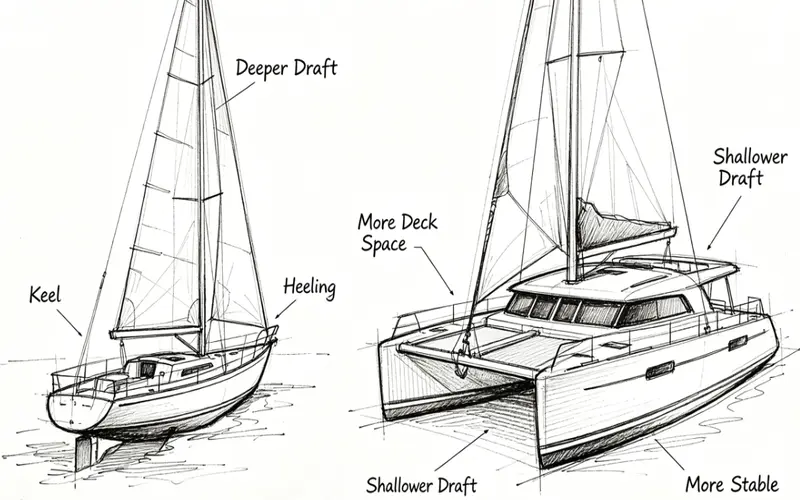
Catamarans generally heel less than monohulls and provide a wider, more level living platform. However, their motion is not always gentler in every sea condition, as some designs may experience faster pitching or bridge-deck slamming in short, steep waves.
many families notice a distinct difference—a “smoother deck and more spacious interior”—the first time they sail on a catamaran. This is one of the reasons they are so popular in the leisure and vacation markets.
In addition, the catamaran design typically offers a larger deck area and more spacious living quarters, making it more practical for group trips, family vacations, or short cruises. However, due to the wider hulls, certain berths in some ports or narrow waterways may require more maneuvering space.
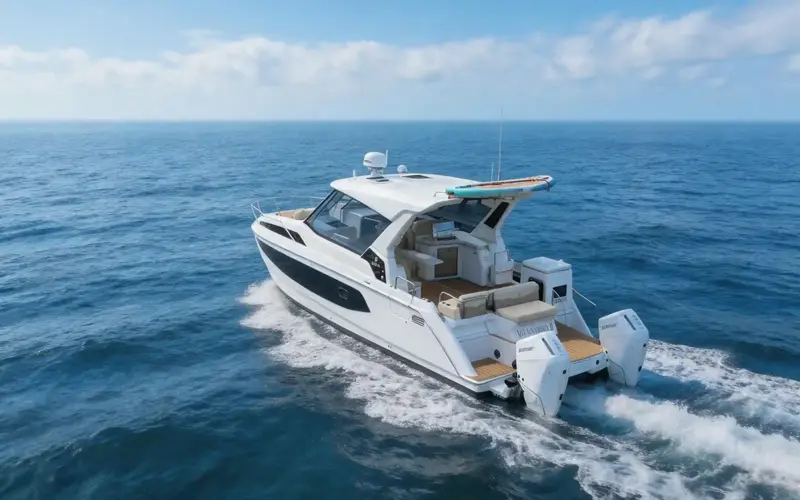
An Analysis of Different Uses for Sailing Yachts
The choice of a sailing yacht depends not only on the hull structure but, more importantly, on how it will be used. Different uses call for different design approaches, including hull stability, energy storage systems, maneuverability, and onboard living arrangements.
I typically assess their needs based on three key factors: whether they plan to spend extended periods at sea, whether the crew consists primarily of family members, and whether the boat will be used for competitive sailing or professional training. These three questions often help quickly determine the appropriate type of sailboat, thereby avoiding mismatches in usage later on.
Family Recreation and Short-Distance Cruising
Family recreation and short-distance cruising constitute a very large segment of the sailing market, with core priorities typically centered on “safety, comfort, and the overall experience.”
Users in this category are more concerned with whether there is ample deck space, whether the hull is stable, and whether the boat is easy to handle during relaxed sailing. Therefore, cruising sailboats and catamarans are usually the more common choices.
Short-distance sailing generally takes place in coastal waters, bays, or lakes. While the demand for long-distance cruising capability is low, the need for stability is more pronounced—especially during family outings or when traveling with children, where roll control is particularly important.
Furthermore, Short coastal trips generally require less provisioning than offshore passages, but appropriate navigation, weather planning and safety equipment remain essential regardless of trip length.

Long-Distance Voyages and Circumnavigations
Long-distance voyages and circumnavigations place significantly higher demands on sailboats, involving not only hull structure but also water storage, energy management, resistance to wind and waves, and long-term living comfort.
For long-distance voyages, cruising sailboats are typically the more popular choice because their design is inherently geared toward serving as a “long-term at-sea living support system,” including freshwater reserves, fuel systems, power supply, and optimized storage space.
Long-distance sailing yachts are not merely a means of transportation; they are more akin to a “mobile living space at sea.” Consequently, the design emphasis leans more toward stability and reliability rather than extreme speed.
Sailing Races and Competitive Use
Sailing races and competitive use primarily revolve around racing yachts, whose design objectives are to maximize speed and maneuverability.
These yachts typically feature lightweight hull structures and optimized sail plans to enhance acceleration across varying wind conditions. At the same time, to reduce drag, the hull lines are more streamlined, placing high demands on hydrodynamic efficiency.
In actual racing environments, teamwork is often more critical than the performance of a single boat; for example, the speed of sail changes, coordinated tacking, and strategic judgment of wind direction all directly impact the race outcome.
Since the design focus is on performance, these yachts typically make compromises in terms of comfort, making them more suitable for professional crews or long-term training rather than for recreational use.
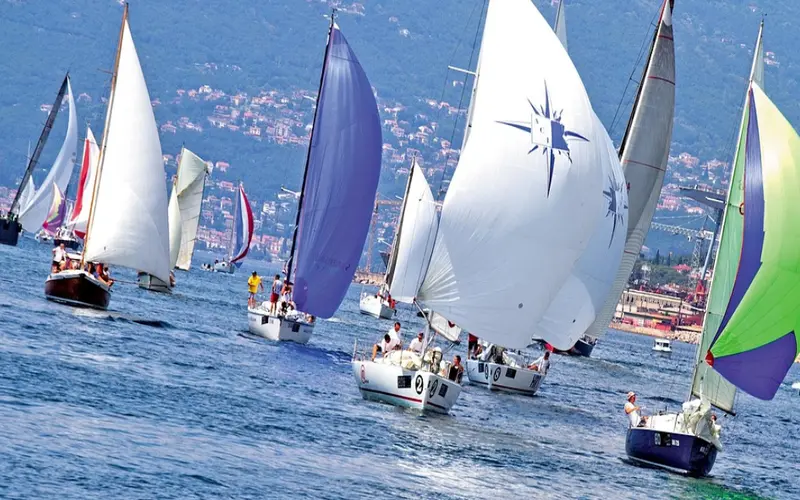
How Can Beginners Choose the Right Type of Sailboat for Themselves?
For those new to sailing, choosing the right boat type is often more important than choosing a brand. Sailboats are highly “scenario-dependent”; different uses will directly impact the overall experience and maintenance costs.
During consultations, I typically don’t recommend specific models right away. Instead, I prioritize helping clients clarify three core variables: budget range, frequency of use, and sailing objectives. Many beginners tend to prioritize “performance” or “appearance,” but in practice, a good fit is often more critical than performance specifications.
Analysis of Budget Range and Frequency of Use
Budget and frequency of use are the two most fundamental factors influencing sailboat selection; together, they determine the boat’s class and the subsequent ownership cost structure.
From a practical market perspective, owning a sailboat involves more than just the purchase price—it also includes ongoing expenses such as berthing fees, insurance, maintenance, and seasonal upkeep. Therefore, when planning a budget, one cannot focus solely on the “purchase price”; a comprehensive assessment must also take into account the average number of times the boat is used per year.
Generally speaking:
- If usage frequency is low, a small sailboat or entry-level cruising sailboat is more suitable to minimize idle costs.
- For moderate usage frequency, a cruising sailboat offers a better balance.
- If you plan for long-term use or even cross-regional sailing, you’ll typically consider a catamaran or a more fully equipped offshore cruising sailboat.
| Budget Range | Typical Use | Possible Sailboat Types |
|---|---|---|
| $5,000–$50,000 | Training, daysailing, occasional use | Dinghies, trailerable sailboats, older small cruisers |
| $50,000–$300,000 | Weekend sailing and coastal cruising | Used cruising monohulls, compact catamarans, performance cruisers |
| $300,000–$1,500,000+ | Extended cruising, luxury ownership or specialized racing | Offshore cruisers, cruising catamarans, performance yachts, custom or premium models |
These are broad market ranges only. Age, condition, brand, construction material and equipment can create substantial price differences within the same sailboat category.
The Logic Behind Choosing Between Monohulls and Catamarans
The choice between monohulls and catamarans is not fundamentally a matter of which is better or worse, but rather a “difference in experiential preferences.”
Monohulls have a more traditional structure and offer a more pronounced sensation of rolling while sailing; this feedback holds a certain appeal for those who enjoy an authentic sailing experience. At the same time, monohulls are typically more flexible when it comes to fitting into berths and navigating through ports.
In contrast, catamarans, due to their twin-hull design, experience less roll and offer more spacious decks, making them better suited for family or group trips. Especially in the leisure and vacation market, the sense of space is often more important than sailing speed.
In discussions with clients, this choice usually hinges on one key consideration:
- If the focus is on “sailing control and a traditional experience,” a monohull sailboat is more suitable.
- If the focus is on “space, comfort, and stability,” a catamaran offers greater advantages.
Additionally, mooring costs and port compatibility must be considered, as catamarans may require wider berths at certain marinas.
Recommended Sailboat Models and Brand Selection
In the actual sailboat market, different brands exhibit significant differences in design philosophy, intended use, and pricing structures. Some brands lean more toward entry-level training and value for money, while others focus on family cruising experiences, and still others specialize in long-distance sailing performance and high-end customization.
In addition, when purchasing a boat, judgments should not be made solely based on brand tiers. Instead, comprehensive consideration should be given to usage scenarios, budget planning and post-purchase maintenance costs. Brands only serve as a reference factor rather than a decisive criterion.
Entry-Level Recommendations
Entry-level sailboats typically emphasize ease of handling, safety, and low maintenance requirements, making them suitable for beginners or those seeking basic training. When making a choice in the market, the priority at this stage is to establish proper handling habits and a foundational understanding of sailing, rather than pursuing complex configurations or high-speed performance.
generally recommend that beginners prioritize small sailboats or entry-level cruising boats with simple structures and direct feedback. This allows them to quickly master wind direction assessment, sail trimming, and basic sailing rhythms, thereby reducing the pressure associated with the learning curve.
It is recommended that beginners opt for small sailboats with simple structures and immediate feedback or basic cruising sailboats first. This way, they can master wind judgment, sail trimming and basic sailing rhythm in a short period of time, and ease the pressure brought by the steep learning curve.
When it comes to brand selection, entry-level models such as the Beneteau First series or Jeanneau Sun Fast offer a well-balanced performance for introductory training and light cruising. They provide sufficient handling feedback without overcomplicating the operation. For users focused on the experience, these types of boats typically make it easier to develop a lasting interest in sailing.
👉

2026 Beneteau First 14
- Length14 ft
- Top speed8 kn
- TypeSailboat
The 2026 Beneteau First 14 is a small, high-performance monohull sailboat designed for both beginners and advanced sailors, continuing the First series' lightweight and speed-oriented design philosophy. Its efficient gliding structure allows for quick starts even in light winds, while maintaining excellent stability and handling feedback.
Recommended Family Cruisers
Family cruising sailboats account for a very large share of the market, with the core focus on “comfort + space + stability.” These boat models are typically designed for family outings, extended sailing vacations, and group trips; therefore, their design emphasizes the living experience and smooth sailing rather than sheer speed.
In this category, mainstream brands typically include the Jeanneau Sun Odyssey series and the Lagoon catamaran series.
👉
2026 Lagoon EIGHTY 3
- Length83 ft
- Cabins6
- TypeCatamaran yacht
The 2026 Lagoon EIGHTY 3 is Lagoon's flagship catamaran, positioned in the ultra-luxury sailing and long-term maritime lifestyle market. The yacht is approximately 24.4 meters long, boasts over 300 square meters of external living space, and combines superyacht craftsmanship with the stability of a catamaran structure.Compared to traditional monohull-powered yachts, the EIGHTY 3 emphasizes a spacious living experience, long range, and a customized lifestyle, making it suitable for both private vacations and high-end business receptions.
Recommendations for High-End Long-Distance Sailing
High-end long-distance sailing yachts are typically designed for transoceanic voyages, long-term living at sea, or global cruising, and thus place higher demands on hull structure, materials, craftsmanship, and adaptability to sea conditions. A prominent brand in this segment is Fountaine Pajot.
Fountaine Pajot is a well-known choice in the cruising catamaran market, particularly suited for buyers who prioritize living space, onboard comfort, and long-range cruising. It is one of several established and well-known brands in this category worth considering. However, a vessel’s suitability for ocean voyages must be assessed on a case-by-case basis for each specific model, taking into account load capacity, the condition of the hull structure, safety equipment, range, and the planned sailing areas.
👉
Fountaine Pajot Thira 80
- Length79 ft
- Cabins6
- Top speed14 kn
- TypeCatamaran yacht
The Thíra 80 is the stunning flagship of Fountaine Pajot's power catamaran range, representing the pinnacle of luxury, innovation, and design collaboration with Berret-Racoupeau Yacht Design. At nearly 24 meters in length, she delivers an unprecedented level of elegance across both private accommodations and expansive social areas.
For a broader comparison with motor yachts, fishing boats, multihulls and tenders, see our guide to the main types of boats.
Conclusion
Choosing a sailboat type is essentially a matter of “matching the boat to its intended use,” rather than a comparison of individual parameters. Sailboats with different designs each prioritize different aspects of stability, comfort, and performance. Entry-level sailboats emphasize ease of handling and safety margins; cruising sailboats focus on living comfort and space utilization; while offshore sailboats prioritize structural strength, seaworthiness, and reliability for long-distance voyages.
When actually purchasing a boat, the most sensible approach is to first clarify your intended use, then determine your budget range, and finally select a specific model. This can significantly reduce the cost of making adjustments later on. At the same time, when making a boat-purchase decision, it is also advisable to consider financing options and overall ownership costs—including insurance, berthing, maintenance, and depreciation—to assess the true long-term investment rather than focusing solely on the initial purchase price. 👉 If you’re looking for a more cost-effective option, you can also browse our list of boats for sale. Compare different vessels’ sizes, brands, ages, and price ranges, and factor in long-term maintenance and operating costs to make a more informed purchasing decision.
Disclaimer
This guide provides general information only. Sailboat prices, specifications, availability, regulations and operating costs vary by location, model and vessel condition. Buyers should verify current information with manufacturers, brokers, insurers and relevant authorities, and commission an independent marine survey and sea trial before completing a purchase.
About the Author
Andrew Rogers is an industry consultant and seasoned yacht broker specializing in yacht and sailing boat market analysis. He has extensive experience in the medium-to-large sailing yacht and ocean-going yacht sectors, with a particular focus on the structural design, safety performance, and long-term ownership costs of ocean-going sailing yachts. By integrating global market trends, he provides yacht owners with comprehensive guidance—including usage planning, budget allocation, and financing decisions—to help them make more sound choices in the complex yacht market.
FAQ
Q1: What type of sailboat is best for beginners?
A: For most beginners, cruising sailboats or small training sailboats are easier to get started with. Cruising sailboats offer a more stable experience, while small sailboats help you understand the basics of handling a boat.
Q2: Are catamarans safer than monohulls?
A: Catamarans generally offer better stability and experience less rolling, but safety still depends on sailing experience and the ability to judge weather conditions. In the industry, the difference between the two is more a matter of “differing experiences” than an absolute difference in safety.
Q3: Can sailboats be used for long-distance round-the-world voyages?
A: Yes, but this generally requires selecting a cruising sailboat with a more stable structure and more comprehensive backup systems, as well as having professional sailing experience. Actual long-distance voyages also involve route planning and meteorological analysis.
Q4: What additional costs are involved in purchasing a sailboat?
A: In addition to the purchase price, you’ll need to factor in berthing fees, maintenance costs, insurance, and annual servicing.
Q5: For first-time buyers, is it better to choose a new or used sailboat?
A: For first-time buyers, used sailboats generally offer better value for money, allowing for lower initial investment and faster access to the boat; new boats, on the other hand, have advantages in terms of completeness of equipment, technical condition, and controllable maintenance costs. The actual choice should be based on a comprehensive assessment of your budget, frequency of use, and whether you plan to hold the boat long-term.