As winter approaches, many yacht owners will be faced with the question of how to store their yacht over the winter. Properly storing your yacht in the winter will prevent damage to your yacht due to harsh winter conditions and can keep your yacht in good condition. This article describes several ways to store your yacht during the winter.
Outdoor Dry Storage
Outdoor dry storage, also known as “hard” storage, is one of the most popular methods of storing your yacht during the winter months. With this method, your boat will be stored in a customized, secure cradle or rack in the marina yard, usually with a cover to protect it from inclement weather and damage.
The advantage of this method of storage is that it's cheaper because you don't have to pay extra for climate control or other high-end amenities. And most of the marina locations for outdoor dry storage are conveniently located, so if you need to use your yacht or inspect it, you can easily access it. Additionally, outdoor dry storage locations generally offer security measures such as access control and video surveillance, as well as regular patrols by staff members who can identify and deal with any potential problems in a timely manner.
Indoor Dry Storage
Indoor dry storage facilities protect yachts from inclement weather, which is a very popular method of yacht storage. By choosing this type of storage, your yacht will be housed in a large, climate-controlled building that provides a stable environment throughout the winter.
The indoor storage facility gives the yacht full protection against harsh weather conditions such as heavy rain and snowstorms. Yachts stored in such an environment reduce the risk of damage. Also, many indoor storages can maintain mild temperatures and humidity, which can be a great advantage for high-end and older yachts. Additionally, indoor storage reduces yacht cleaning efforts since the yacht is not exposed to the elements and therefore rarely gets dusty.
Wet Storage
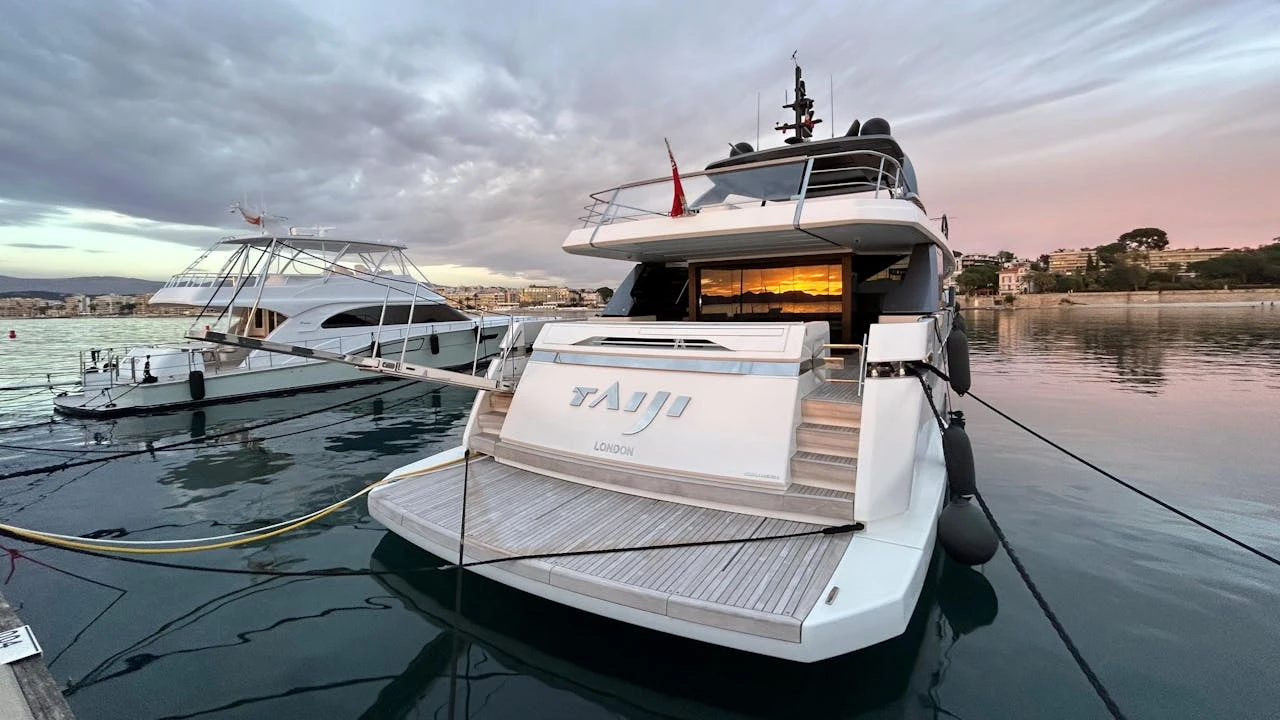
Better suited to owners of larger yachts or those with limited options, wet storage involves keeping the yacht in the water through the winter months. This type of storage requires the yacht to be docked at a marina, which is usually sheltered in some way. Wet storage is more convenient than dry storage and can greatly enhance the ease with which boat owners can access their yacht. If the owner needs to use the yacht occasionally during the winter, it can be accessed quickly and easily.
For larger yachts, wet storage is a more cost-effective option. Large yachts not only require a lot of manpower, material and time when being consigned, but may also involve high consignment costs, while wet storage can avoid these high costs and reduce the financial burden on the boat owner.
Home Storage
If you have the space and equipment at home, storing your yacht at home can be a convenient and money-saving method. Not only does this method allow you to keep an eye on your yacht, but it also saves you a significant amount of money on storage costs. By storing your yacht at home, you can always maintain and inspect your yacht according to its needs, regularly checking for damage or deterioration of the yacht's components, identifying problems and solving them in a timely manner to ensure that the yacht will be ready for use in the future. This method of storage extends the life of your yacht and ensures that your water activities can run smoothly. In addition, home storage provides better control over security, and you can always check on your yacht to make sure it hasn't been damaged by anyone or the natural environment.
Self-Storage Units
For some smaller yachts, self-storage facilities can offer a more convenient option. By storing your yacht in a self-storage unit, you can effectively protect your yacht from rain, snow, and UV damage. Choosing this method of storage protects the yacht on all fronts, keeping both the exterior and interior equipment in good condition and extending the life of the yacht. Self-storage facility units are typically gated and equipped with video surveillance equipment and climate control features that can provide a more secure and suitable environment for the yacht. Additionally, self-storage units typically allow you to view your yacht at any time, whether it's to check on the condition of the yacht or to maintain the yacht, providing a great deal of convenience for boat owners.